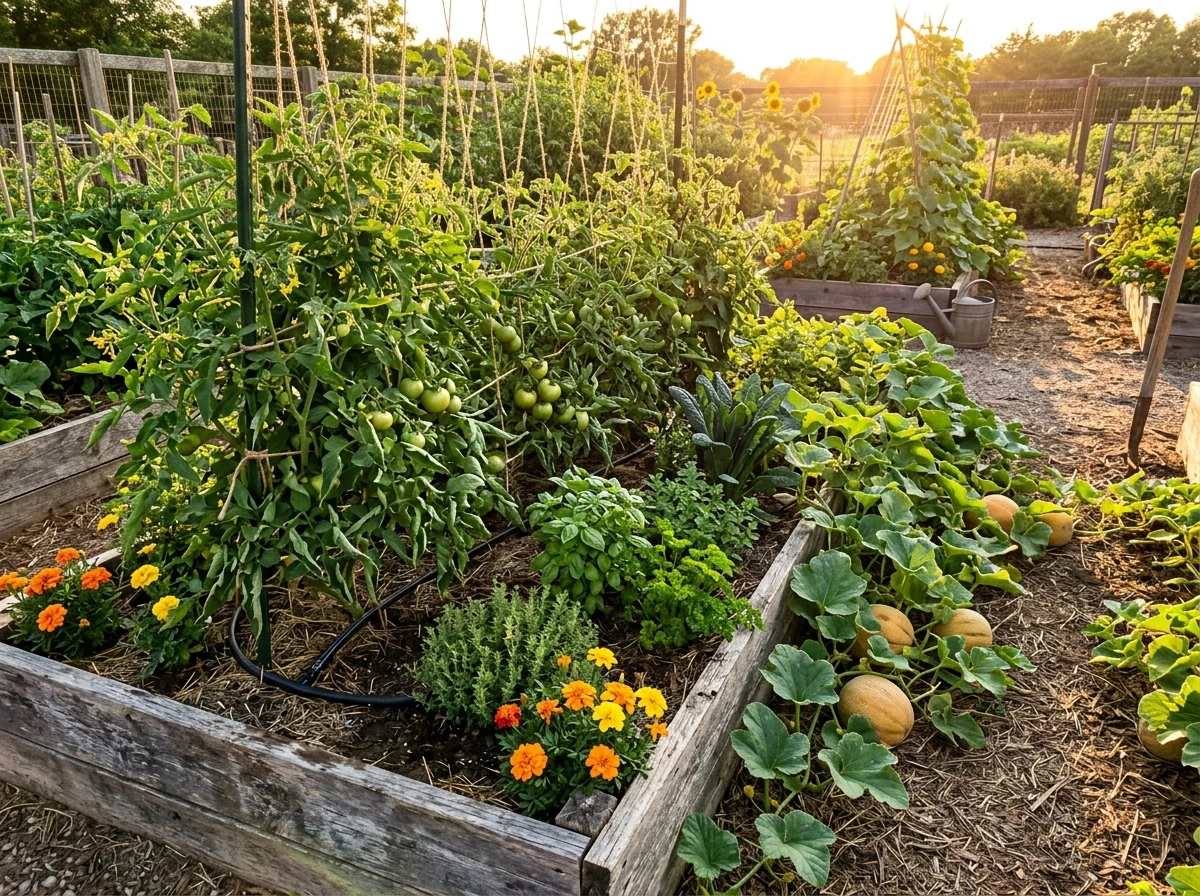
If you want fast growth this summer, the short answer is: If you want fast growth this summer, the short answer is: [radishes, cucumbers, zucchini](4E5660EA-7F5B-4DD8-B83B-99C982F407A7), sunflowers, and nasturtiums are your best bets. But 'fast' means different things depending on where you live, how hot it actually gets, and whether you're growing in the ground, in pots, or on a windowsill. But 'fast' means different things depending on where you live, how hot it actually gets, and whether you're growing in the ground, in pots, or on a windowsill. A cucumber that races to harvest in a cool Pacific Northwest summer will stall out if temperatures push past 95°F in a Texas August. So let's get specific about which plants genuinely grow fastest in summer conditions, and how to set them up to actually deliver.
Which Plants Grow Faster in Summer A Practical Guide
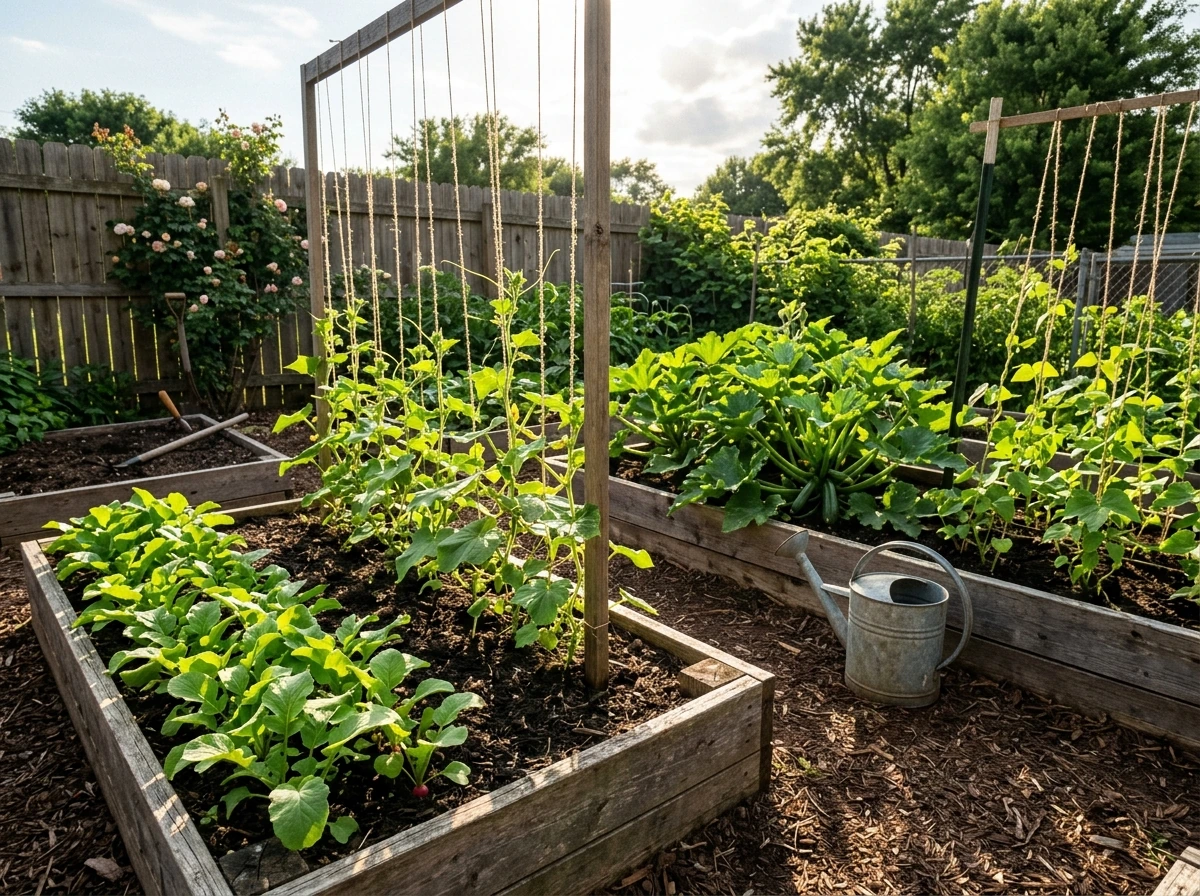
Why some plants grow faster in summer (and what affects speed)
Summer gives you the two things plants want most: warmth and long days. More daylight hours mean more photosynthesis. Warmer soil speeds up root development and nutrient uptake. That's why plants that are adapted to heat and sun genuinely explode during summer in a way they simply can't in spring or fall.
But here's the catch: the same heat and light that accelerates growth in some plants triggers bolting, stress, or dormancy in others. Spinach, for example, bolts rapidly once days exceed 12 hours and temperatures climb, it stops producing usable leaves and goes straight to seed. Lettuce does something similar. So calling them 'fast growers' in summer is misleading; they're fast in spring and fall, but they fail in peak summer heat.
The real fast summer growers are warm-season plants with high heat tolerance. Growth speed in summer comes down to five factors: ambient temperature (most warm-season plants thrive between 65°F and 95°F), soil temperature (seeds need warm soil to germinate quickly, radish germinates optimally around 85°F, cucumber needs soil above 60°F at minimum), day length, water consistency, and your growing method. Container plants dry out faster and heat up faster than in-ground beds, which changes how you manage them. Indoor plants miss out on direct sun intensity unless you're using grow lights.
One more honest note: 'faster than average' still requires good conditions. If your soil is compacted, your watering is inconsistent, or you're planting in part shade, even the fastest-growing plants will underperform. The plants listed below are fast under reasonably good conditions, not magic.
Fast-growing summer edible plants (quick harvest options)
These are the edibles that genuinely deliver in summer heat. Most of them can be direct-sown or transplanted now and will give you something to harvest within weeks, not months.
Radishes: the fastest edible you can grow
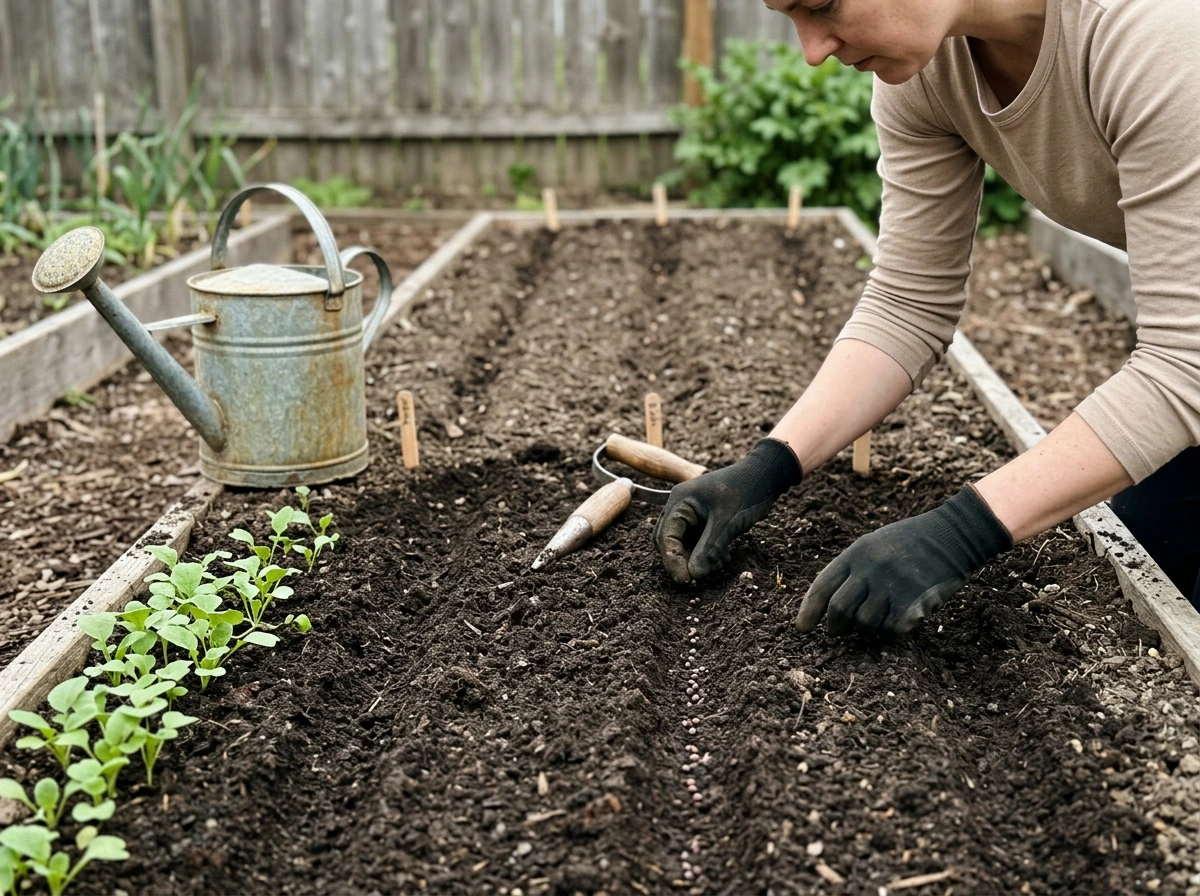
Radishes are the gold standard for fast edible production. Most varieties go from seed to harvest in 22 to 30 days. They germinate best when soil temperatures are around 85°F, which means summer is genuinely ideal for them, unlike spring-sown radishes that can struggle with cold soil. The caveat: in extreme heat above 95°F, they can get pithy and bitter. If you're in a very hot climate, sow them in a spot that gets afternoon shade, or time them for late summer when temperatures ease slightly.
Cucumbers: fast and prolific once they get going
Cucumbers grow best between 65°F and 95°F, which puts them squarely in the summer sweet spot for most of the country. From direct seed, you're looking at first harvest in about 50 to 65 days depending on variety. From transplant, shave 2 to 3 weeks off that. Bush varieties like 'Spacemaster' work in containers; vining types need a trellis but produce more. Once temperatures exceed 95°F consistently, fruit set slows, flowers drop without setting fruit. In hot climates, plant early summer so the bulk of production happens before the real heat peaks.
Zucchini and summer squash: almost too fast
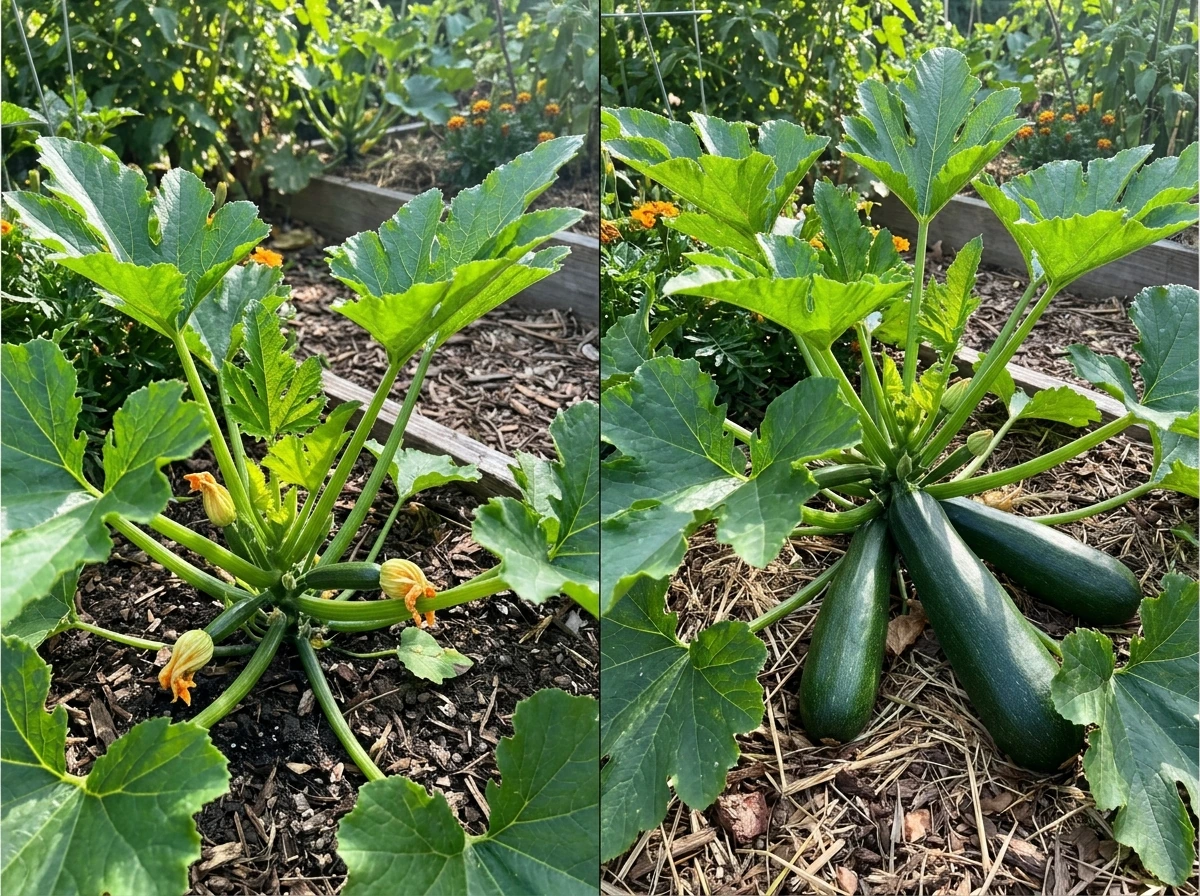
Zucchini is famously fast. You can go from transplant to first harvest in 45 to 55 days, and once it starts producing, it doesn't stop. Direct seed germinates quickly in warm soil (above 60°F). The honest warning: one or two plants is usually enough. Zucchini plants get large, each one needs about 3 feet of space, and they produce abundantly. They handle summer heat well but need consistent deep watering; inconsistent moisture causes blossom end rot.
Green beans: simple, fast, and heat-tolerant
Bush beans are a reliable summer producer that most gardeners overlook in favor of trendier picks. Direct sow them now and expect harvest in about 50 to 60 days. They prefer soil temperatures above 60°F to germinate well, thrive in summer heat, and don't need staking (unlike pole beans). Pole beans take slightly longer but produce over a longer window, worth the trellis if you have the space.
A note on summer lettuce and spinach
Lettuce and spinach are often listed as 'fast growers,' and they are, but not in mid-summer conditions. Spinach bolts once day length hits 12 hours and temperatures climb, producing bitter, unusable leaves. Lettuce has a maximum germination temperature of around 95°F but will bolt rapidly in heat. If you want leafy greens fast in summer, look for bolt-resistant varieties like 'Jericho' romaine or 'Summer Crisp' types, and grow them with afternoon shade. Otherwise, save the lettuce and spinach for late summer planting (late August onward) when conditions are more forgiving.
| Plant | Days to Harvest | Ideal Soil Temp | Notes |
|---|---|---|---|
| Radish | 22–30 days | 75–85°F | Fastest edible; avoid temps above 95°F |
| Cucumber (transplant) | 35–50 days | 65–85°F | Stalls above 95°F; trellis vining types |
| Zucchini (transplant) | 45–55 days | 65–85°F | Very prolific; 1–2 plants usually enough |
| Bush beans (direct sow) | 50–60 days | 60–85°F | No staking needed; heat tolerant |
| Lettuce (with shade) | 30–45 days | 65–75°F | Bolt-resistant varieties only in summer |
Fast-growing summer flowers and ornamentals (quick visual payoff)
If you want color fast, summer is your season. Most warm-season annuals go from seed to bloom in 6 to 10 weeks, and many of the fastest ones are also the easiest.
Sunflowers: the fastest wow factor
Direct-sown sunflowers can go from seed to full bloom in as little as 60 to 70 days, depending on variety. Dwarf types like 'Sunspot' reach bloom faster than tall types and work in containers. They germinate readily in warm soil, grow visibly fast (sometimes several inches a day at peak), and need almost no fuss beyond full sun and occasional deep watering. Plant every 2 to 3 weeks for a succession of blooms through summer.
Nasturtiums: zero-effort, quick bloomers
Nasturtiums go from direct seed to first flowers in about 35 to 52 days. They actually prefer poor soil, rich soil pushes leaves over flowers, and they handle heat well. Bonus: they're edible (flowers and leaves taste peppery) and they attract pollinators, which helps your vegetable garden too. Direct sow them where you want them; they don't transplant well.
Zinnias: reliable, colorful, and summer-tough
Zinnias are arguably the most reliable fast-blooming summer annual. They go from seed to bloom in 60 to 70 days, love full sun and heat, and produce continuously if you deadhead spent flowers. 'Profusion' series zinnias are particularly fast and compact, good for containers or border edges. Transplants from a nursery cut the wait to about 3 to 4 weeks to first bloom.
Marigolds and cosmos
French marigolds bloom in about 45 to 50 days from seed, faster than African marigolds, which take 70 to 90 days. Cosmos are even faster in warm conditions, often blooming 50 to 60 days from direct sow, and they self-seed for next year. Both tolerate heat well and attract beneficial insects.
Fast summer climbers and groundcovers for quick coverage
If you need to cover a fence, trellis, or bare ground quickly, summer has some genuinely impressive performers.
Morning glory: the fastest climbing annual
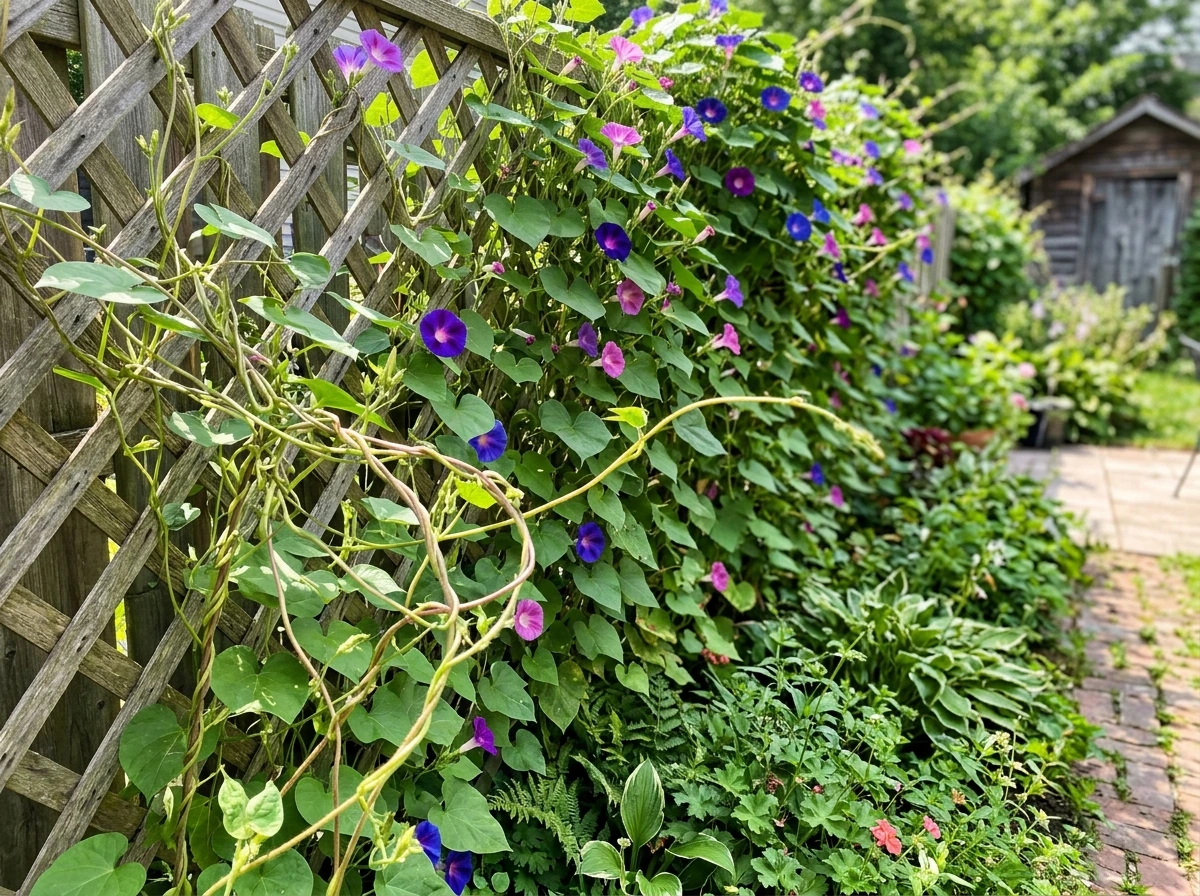
Morning glory is one of the fastest ornamental climbers you can grow from seed. In summer heat, it can grow 10 to 15 feet in a single season, with vines that visibly extend several inches daily at peak. Sow seeds directly after scarifying (nicking the seed coat with a nail file speeds germination), and expect blooms in 60 to 90 days. It needs full sun and something to climb. Note: morning glory can become invasive in some regions, check before planting if you're in the Southeast or Hawaii.
Pole beans and runner beans as ornamental climbers
Scarlet runner beans do double duty: they grow extremely fast (a 6-foot trellis covered in 6 to 8 weeks), produce brilliant red flowers that hummingbirds love, and the beans are edible. They're one of the most underrated summer climbers for people who want both coverage and food production.
Sweet potato vine and creeping thyme for groundcover
Sweet potato vine (ornamental, not the edible type) spreads aggressively in summer heat, 2 to 3 feet of spread per month in good conditions. It's excellent for filling gaps quickly in containers or as a groundcover in warm climates. Creeping thyme is slower but establishes quickly when planted in summer heat with good drainage, and it's semi-permanent. For truly fast groundcover, sweet potato vine wins by a mile.
Container-friendly and indoor summer options
Growing in containers or indoors changes the calculus a bit. Containers heat up faster than the ground (dark pots in direct sun can push soil temps well above 90°F, which stresses roots), dry out quicker, and have limited root space. That said, they're excellent for fast-growing plants that don't need deep root systems.
Best fast growers for containers in summer
- Radishes: ideal in 6-inch deep containers; harvest before the pot overheats
- Dwarf zucchini (try 'Patio Star' or 'Bush Baby'): needs a 5-gallon pot minimum
- Cherry tomatoes: faster to fruit than slicing types; 'Tumbling Tom' is made for hanging baskets
- Nasturtiums: thrive in poor container soil; drape beautifully over pot edges
- Dwarf sunflowers ('Sunspot', 'Little Becka'): 12-inch pot, full sun, quick bloom
- French marigolds: almost any container works; fast blooming, heat tolerant
Indoor summer options
Indoors in summer, you're working with whatever natural light comes through your windows, which is usually less intense than direct outdoor sun. The fastest-growing indoor plants in summer tend to be tropical foliage types that love warmth: pothos, spider plants, and philodendrons all push new growth noticeably faster in summer warmth. For edibles indoors, microgreens are your best option, they go from seed to harvest in 7 to 14 days regardless of season, and they only need a sunny windowsill or a small grow light. Herbs like basil and mint also grow fast indoors in summer near a south-facing window.
If you want to grow vegetables indoors in summer at real speed, you need a grow light. A full-spectrum LED panel (at least 2000 lumens) positioned 6 to 12 inches above seedlings makes a significant difference. Without supplemental light, most vegetable plants indoors will grow slowly regardless of temperature.
How to speed growth: soil, sun, watering, and feeding
Even the fastest-growing plants will stall without the right setup. Here's what actually moves the needle.
Soil: loose, rich, and well-drained
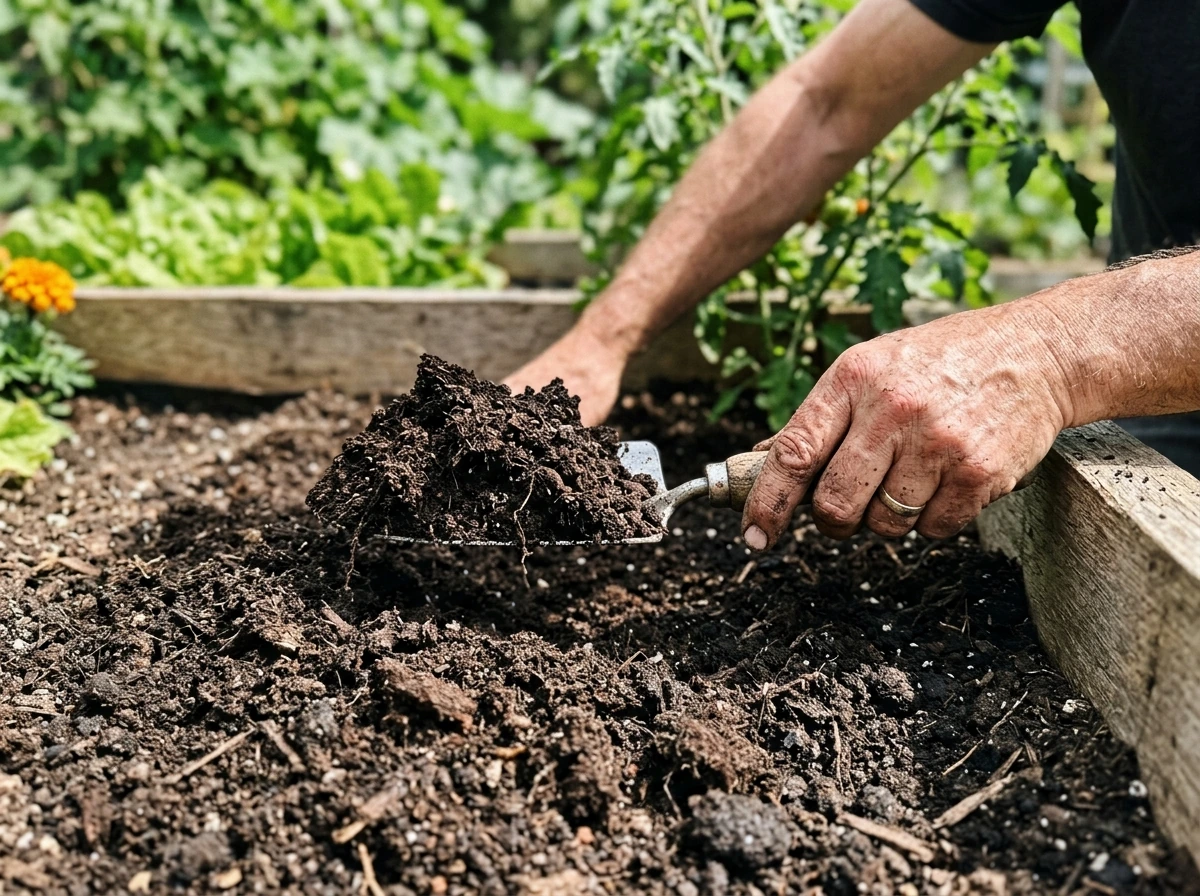
Dense or compacted soil is one of the most common reasons plants grow slowly. Roots can't expand, drainage is poor, and nutrients aren't available. If you're planting in-ground, loosen soil to at least 12 inches deep and mix in 2 to 3 inches of compost before planting. For containers, use a quality potting mix (not garden soil, which compacts badly in pots). A soil with good air pockets lets roots grow fast, and fast roots mean fast top growth.
Sun: more is almost always better for summer crops
The plants on this list all want full sun, which means at least 6 to 8 hours of direct sunlight daily. Every hour of shade shaved off reduces growth rate meaningfully. If your space only gets 4 to 5 hours of sun, stick to herbs and leafy greens rather than fruiting vegetables and sunflowers, you'll just be frustrated with slow progress and low yields.
Watering: consistent, not soggy
The most common mistake that slows summer plant growth is inconsistent watering. Wet, then dry, then wet again stresses roots and slows development. Most fast-growing summer plants want about 1 inch of water per week in-ground, more in containers (check daily in peak heat). Water deeply and less frequently rather than shallow and often, deep watering encourages roots to grow down, which makes plants more resilient and faster growing. Drip irrigation or soaker hoses make consistency much easier.
Feeding: a simple, targeted approach
Fast-growing summer plants are heavy feeders. For edibles and flowering plants, a balanced fertilizer (10-10-10 or similar) at planting, followed by a liquid feed every 2 to 3 weeks, is usually sufficient. Tomatoes and zucchini benefit from a shift to lower-nitrogen, higher-phosphorus feed once they start flowering (too much nitrogen at that stage pushes leaves over fruit). Container plants need more frequent feeding because nutrients leach out with every watering, a diluted liquid feed every 1 to 2 weeks is a good rhythm.
Spacing: give plants room
Crowded plants compete for light, water, and nutrients and grow more slowly as a result. It feels counterintuitive to thin seedlings or space transplants further apart, but the plants that remain will genuinely outperform a crowded planting. Radishes can be 2 inches apart, beans 4 to 6 inches, zucchini 24 to 36 inches, cucumbers 12 inches with a trellis.
What to plant now: quick schedule and troubleshooting
It's late March 2026 right now. If you're in USDA zones 8 to 10 (Southern California, Texas, Florida, the Southeast), you can direct sow or transplant almost everything on this list today, soil is warm enough. If you're in zones 5 to 7 (most of the Midwest, Mid-Atlantic, Pacific Northwest), you're in prime seed-starting time: start cucumbers, zucchini, and basil indoors now for transplant in 4 to 6 weeks when your last frost has passed. For plants to grow from seed in May, direct sow radishes and beans outdoors as soon as your soil hits 60°F. best plants to grow in summer in india
For flowers: zinnias, sunflowers, and marigolds can be direct sown after last frost. In warmer zones, sow them now. In cooler zones, start zinnias indoors 4 to 6 weeks before transplant. Nasturtiums and cosmos are best direct-sown after frost risk passes, they don't like being transplanted.
A simple planting timeline for fast summer results
| Plant | Zones 8–10: Plant Now? | Zones 5–7: When to Plant | Expected First Harvest/Bloom |
|---|---|---|---|
| Radishes | Yes, direct sow now | Direct sow after last frost | 3–4 weeks after sowing |
| Cucumbers | Yes, transplant or sow now | Start indoors now; transplant in 4–6 weeks | 7–9 weeks from transplant |
| Zucchini | Yes, transplant or sow now | Start indoors now; transplant in 4–6 weeks | 6–8 weeks from transplant |
| Bush beans | Yes, direct sow now | Direct sow after last frost | 7–9 weeks after sowing |
| Sunflowers | Yes, direct sow now | Direct sow after last frost | 8–10 weeks after sowing |
| Zinnias | Yes, direct sow or transplant | Start indoors now; transplant after frost | 8–10 weeks from seed, 3–4 weeks from transplant |
| Nasturtiums | Yes, direct sow now | Direct sow after last frost | 5–7 weeks after sowing |
| Morning glory | Yes, direct sow now | Direct sow after last frost | 8–12 weeks after sowing |
If your plants aren't growing as fast as expected
The most common culprits for slower-than-expected summer growth are heat stress, inconsistent watering, and insufficient sun. If daytime temperatures are regularly above 95°F, fruiting vegetables will stall, flowers drop, growth slows, and plants effectively pause until temperatures ease. Shade cloth (30 to 40 percent density) can help protect plants during the hottest part of the day in extreme heat climates. Mulching around the base of plants keeps soil temperature more stable and reduces moisture loss.
If your soil is warm, sun is adequate, and watering is consistent but plants are still slow: check your soil pH. Most summer vegetables want a pH between 6.0 and 7.0. Soil that's too acidic or alkaline locks out nutrients even when they're present. A basic soil test from a garden center costs a few dollars and can explain a lot of mysterious slow growth.
One more thing worth knowing: if you're growing leafy greens like lettuce or spinach and they seem to grow fast then suddenly bolt and turn bitter, that's not a failure of care, it's just the plant's response to long summer days and heat. Switch to heat-tolerant varieties or move those greens to a shadier spot, and plan your main leafy green production for late summer into fall. For everything else on this list, summer is genuinely the best time to grow, and with consistent care, you'll see results faster than any other season.
FAQ
If I want the fastest results, which is the best “starter” plant to grow in summer?
For the fastest edible harvests in typical summer conditions, prioritize quick cycles (radishes) and heat-tolerant fruiters (cucumbers, zucchini). If you want results in under a month, radish is usually the quickest. If you can tolerate a longer wait but want ongoing production, zucchini and cucumbers are usually the most reliable once temperatures are warm enough.
Can I still grow fast plants in summer if I’m using containers instead of planting in the ground?
Yes, but the definition of “fast” changes. In summer heat, many plants that grow quickly in spring will bolt or stall (for example spinach and lettuce). For containers, the fastest performers are usually heat-tolerant fruiting plants or compact varieties, because they keep producing even when conditions get hot, as long as moisture is consistent.
What should I do if temperatures in my area regularly go above 95°F?
If your days often exceed 95°F, expect slower fruit set for heat-sensitive sweet spot ranges, especially for cucumbers and other fruiting vegetables. A practical workaround is planting earlier in the season so the main harvest happens before peak heat, or using afternoon shade plus mulch to prevent rapid soil temperature spikes.
How can I get ongoing harvests and not just a single burst of growth?
Staggered planting matters for quick momentum. For continuous harvests, sow or transplant in small batches every 1 to 3 weeks (radishes and beans) and for flowers, succession-sow as well (like sunflowers and zinnias). This reduces the “everything grows at once, then stops” problem.
How often should I water fast-growing summer plants to avoid stalling?
Most true fast outdoor growers still need consistent watering patterns. In hot weather, check containers daily, in-ground beds every 1 to 2 days depending on mulch and wind. Deep watering (so the root zone gets soaked) is faster in practice because roots grow down, but only if the soil doesn’t swing between soggy and dry.
Why did my lettuce or spinach grow quickly at first and then suddenly bolt or turn bitter?
For lettuce and spinach, the common issue is that they stop being “fast” once day length and heat trigger bolting. If you still want quick leafy production, choose bolt-resistant varieties and give them afternoon shade, or plan your main crop for late summer (when temperatures ease).
Which plants can grow fast indoors during summer without a grow light?
Indoor “summer speed” is mostly limited by light intensity. If you do not use a grow light, many edibles and vegetables grow much slower even in warm rooms. Microgreens are a better fast option indoors because they can be harvested in about 7 to 14 days from sowing.
Do I need warm soil too, or is warm weather in the air sufficient for fast germination?
Yes, but don’t assume warm air alone is enough. Seeds need warm soil to germinate quickly, and containers often heat unevenly. Use a soil thermometer if possible, and wait until the soil is warm enough (for example radishes perform best around the mid-80s°F range).
What’s a common hidden reason my fast plants still aren’t growing well in summer?
Soil pH can quietly cause slow growth even when watering and sunlight are right. Most summer vegetables do best around neutral, roughly pH 6.0 to 7.0. If growth is sluggish across multiple plants, test soil pH before adding more fertilizer.
Can planting too close together make “fast” plants grow slowly?
Plant spacing can be a major speed killer. Crowding reduces airflow and nutrients and forces plants to compete, which slows growth. Use spacing guidelines from the crop type (for example zucchini needs much more room than beans, and cucumbers typically need a trellis for efficient growth).
If my garden gets less sun than recommended, what’s the best strategy for still getting fast growth?
Dense shade can slow growth more than you expect, because these plants rely on full sun for both photosynthesis and heat accumulation in the root zone. If your site only gets around 4 to 5 hours of direct sun, consider shifting expectations toward herbs and leafy greens rather than sunflowers or fruiting vegetables.
When should I fertilize fast-growing summer vegetables, and what should I avoid?
Fertilizing timing matters. Fast feeders usually do best with a balanced starter feeding, then periodic liquid feeds. For fruiting crops like zucchini and tomatoes, once they start flowering, too much nitrogen can reduce fruit set, so switch to a fertilizer ratio that supports flowering and fruiting.
What Plants to Grow in Summer: Best Picks for Sun, Heat
Best summer plants for sun and heat: heat-tolerant vegetables, herbs, flowers and fruits plus how to choose and plant no