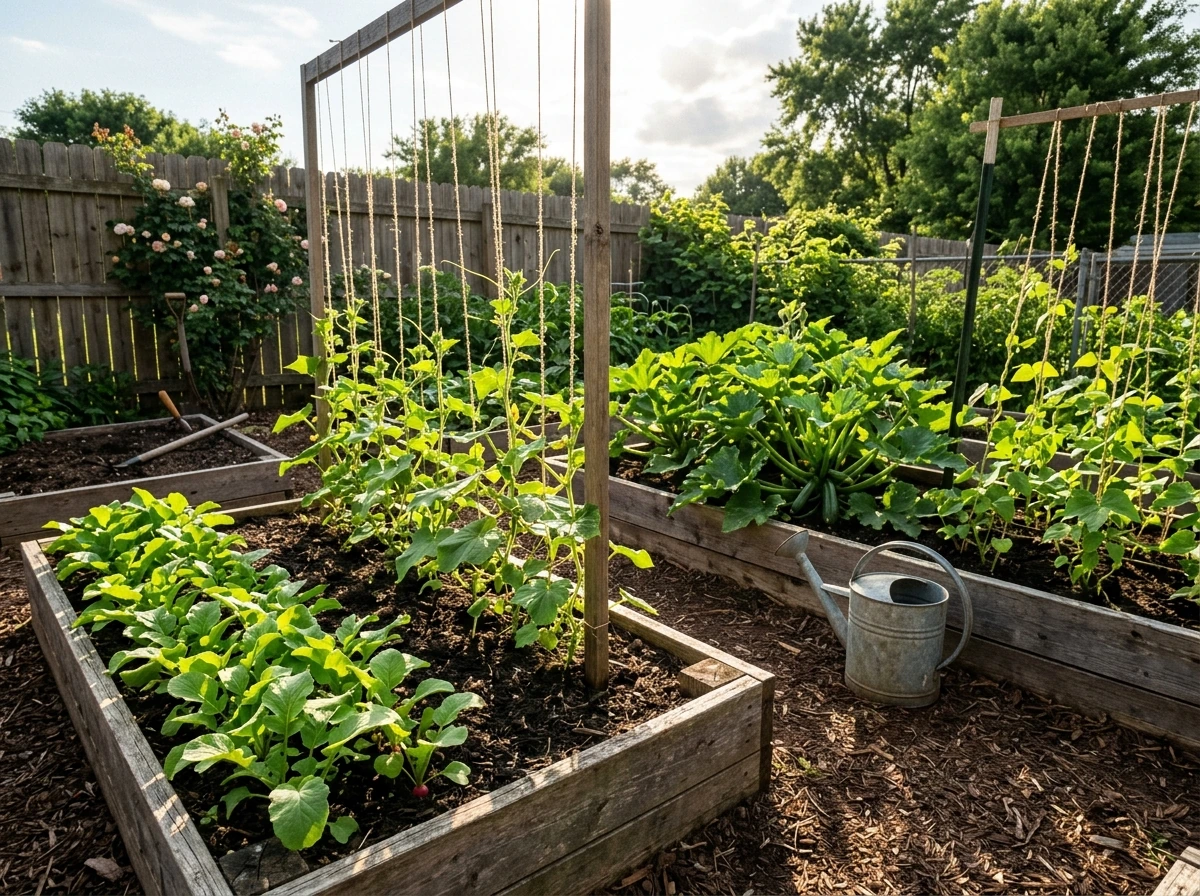
Late summer is genuinely one of the best windows to plant, if you pick the right things. The heat is doing a lot of the work, the soil is warm, and you still have enough season left to get real results before frost. But timing is tighter than spring, and a wrong pick means you're nursing a plant that will never mature. Late summer is genuinely one of the best windows to plant, if you pick the right things. The heat is doing a lot of the work, the soil is warm, and you still have enough season left to get real results before frost. But timing is tighter than spring, and a wrong pick means you're nursing a plant that will never mature. ...what plants to grow in August</a>, organized by what you want out of it...
Best Plants to Grow in Late Summer: Quick Color and Harvest
Rachel Hartley
24 Mar 2026
How to choose plants for late-summer success
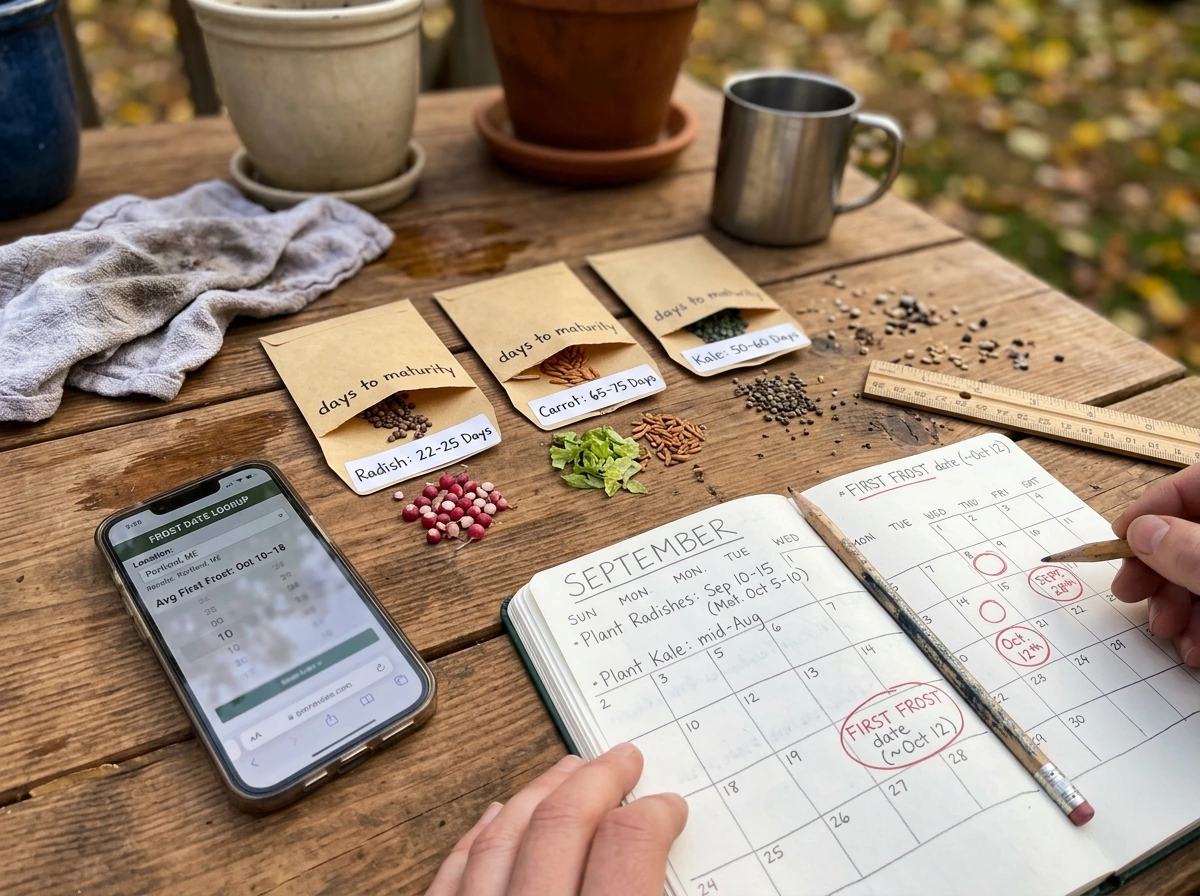
The single most important number in late-summer planting is your local average first frost date. Look it up for your specific zip code, not just your region. A frost date calculator based on historical climate normals will tell you roughly how many freeze-free days you have left. Once you know that number, you can work backward: if a crop takes 50 days to maturity and your first frost is 65 days out, you're in business. If it takes 90 days, you're not.
One detail that trips people up: the "days to maturity" on most seed packets counts from transplant date, not from when you start seeds indoors. So if you're starting from seed directly in the ground, add your germination time (usually 5 to 14 days depending on crop) to that number. Penn State Extension specifically flags this because it causes people to miscalculate their fall harvest window by almost two weeks.
Temperature matters too, not just the calendar. Cool-season crops like lettuce and spinach actually perform better when late-summer heat starts tapering off, so if you're in the mid-Atlantic or Pacific Northwest, you have more flexibility than someone in Texas or Arizona where late summer means triple digits well into September. For heat-tolerant options, look for crops bred for southern climates. For cool-season crops, use the heat strategically: start seeds now so they germinate fast in warm soil, and they'll mature in the cooler days ahead.
Also account for microclimates. If you're in a town center or near a heat-retaining wall, you may get frost a few days later than a rural neighbor a mile away. The National Weather Service notes that even within the same town, frost timing can vary noticeably. That extra week or ten days can be the difference between a full harvest and a near miss.
Best flowers for late-summer color and pollinators
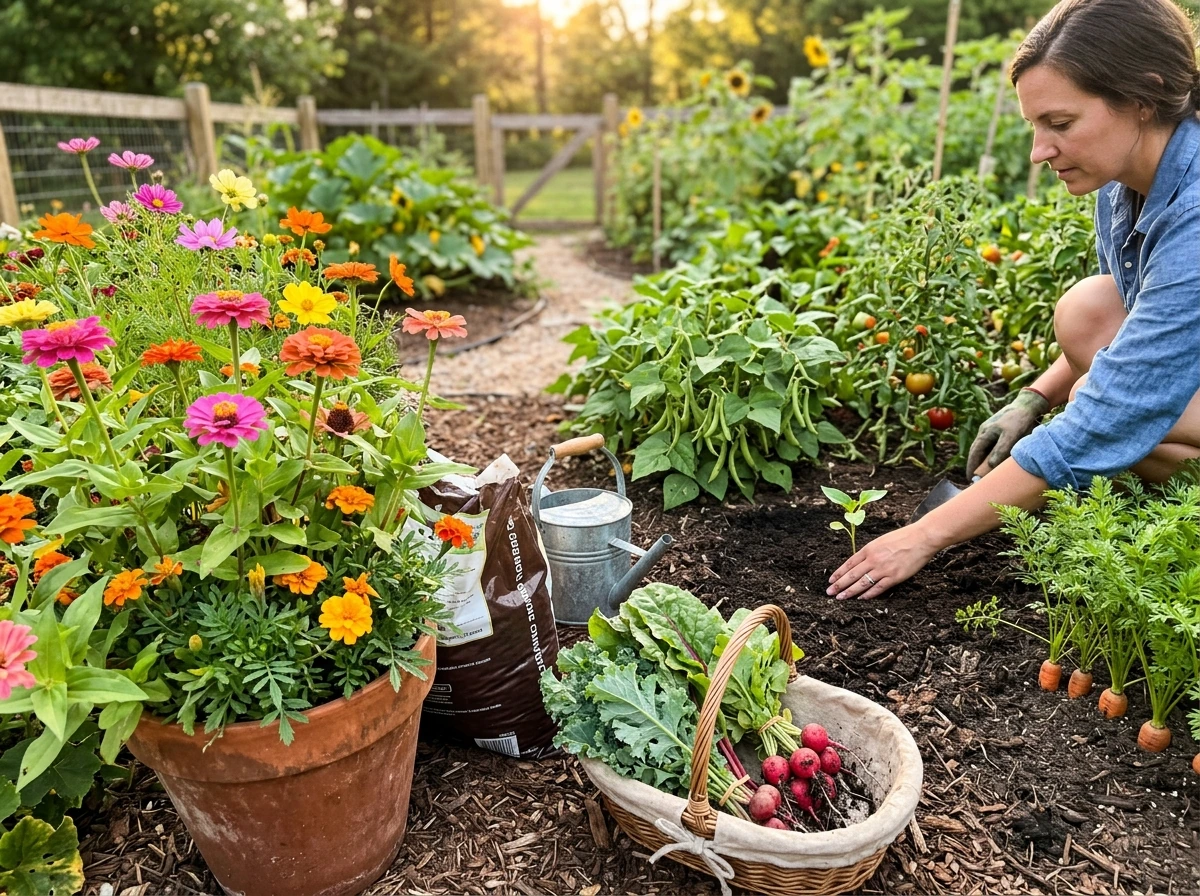
If you want color fast, late summer is actually ideal for flowers. Many annuals and perennials bloom hardest in heat and declining day length. The following are the ones I reach for when I want results in weeks, not months.
- Zinnias: Drought-tolerant, fast (50 to 60 days from seed to bloom), magnets for butterflies and bees. Direct sow now and you'll have blooms before first frost. They handle heat better than almost any other annual.
- Marigolds: Ready in 45 to 50 days, they pull double duty as pollinator plants and natural pest deterrents near vegetables. French marigolds are compact enough for pots.
- Cosmos: Lightweight, feathery, and incredibly fast in warm soil. They often bloom in 35 to 45 days and self-sow generously if you let them. Great filler for any bare patch.
- Sunflowers (dwarf varieties): Full-size sunflowers take too long at this point in the season, but dwarf types like 'Dwarf Sunspot' or 'Little Becka' hit bloom in 50 to 60 days and stay container-friendly.
- Rudbeckia (Black-eyed Susans): If you already have established plants, they'll continue flowering well into October. If starting new transplants now, they may not bloom this year but will establish roots for a strong showing next season.
- Nasturtiums: Edible flowers, fast to 35 to 52 days from seed, and they thrive in poor soil. Bonus: the leaves and flowers are both edible, which makes them doubly useful in a food garden.
- Salvia (annual varieties): Hummingbird favorites that handle late heat well. Transplants will establish and bloom quickly if planted in the next few weeks.
For pollinators specifically, zinnias and salvias are the highest-value picks. If you're trying to support bees and butterflies heading into fall migration, a dense patch of zinnias is one of the most impactful things you can plant right now. They're also essentially forgiving: direct sow, water in, and step back.
Best vegetables and herbs to grow now
This is where people get nervous in late summer, but you actually have more options than you think. The key is separating quick crops (harvest in under 45 days) from fall harvest crops (60 to 80 days). Both are viable right now in most of the US if you have at least 6 weeks before your first expected frost.
Quick crops to sow now (harvest in 30 to 50 days)
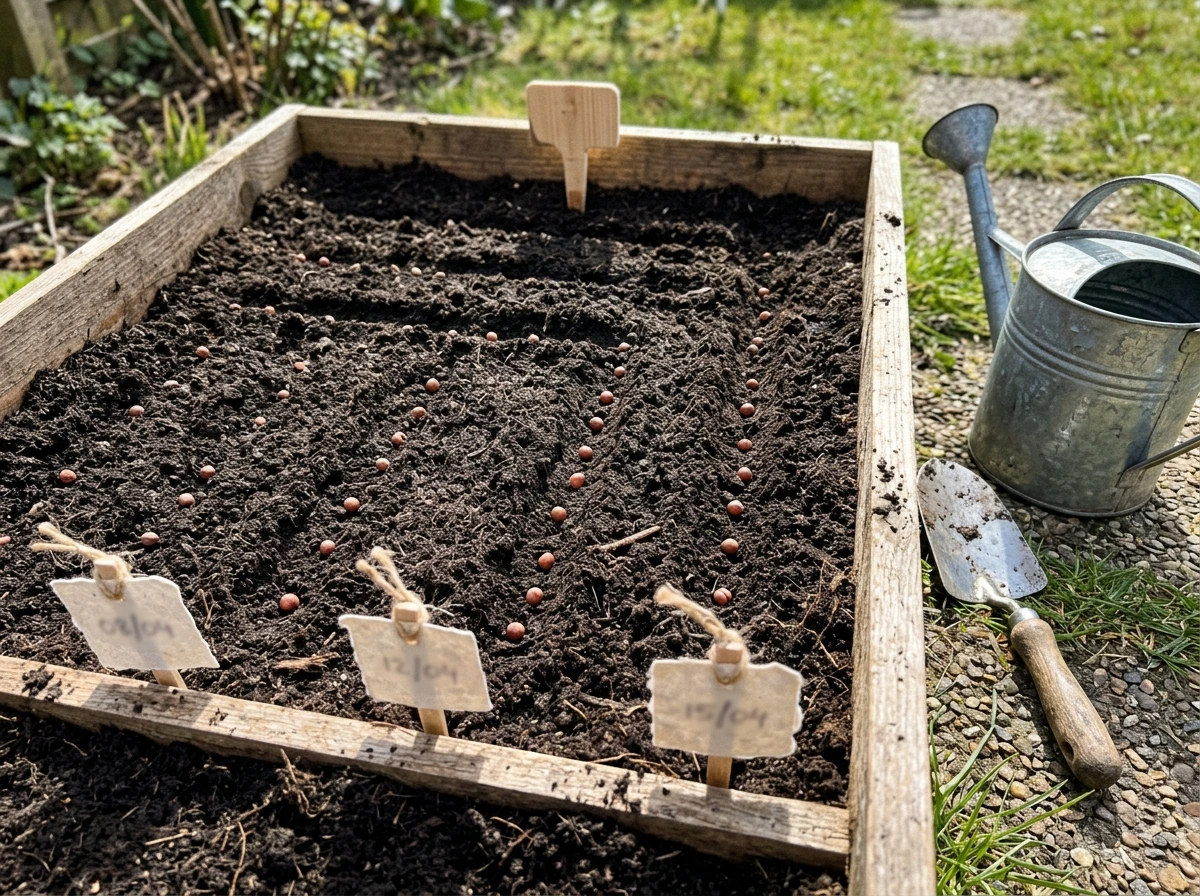
- Radishes: The fastest vegetable you can grow. Most varieties are ready in 22 to 30 days. Sow them every 10 days for continuous harvests until frost shuts things down.
- Lettuce (loose-leaf varieties): Ready to cut in 30 to 45 days. 'Black Seeded Simpson' and 'Oak Leaf' are reliable performers. Start in a spot with afternoon shade in warmer zones to slow bolting.
- Spinach: Thrives when temperatures drop below 75°F. Sow now so it germinates in warm soil, then matures in cooler fall weather. 'Bloomsdale' is a bolt-resistant variety worth seeking out.
- Arugula: Extremely fast at 21 to 40 days. It tolerates heat better than most greens and gets better (slightly milder) as the weather cools.
- Green onions (scallions): Ready in 60 days from seed but also available as sets, which cut that time significantly. They'll overwinter in mild climates.
- Baby kale: Full-size kale takes too long now, but baby kale varieties can be harvested as early as 25 to 30 days after germination.
- Cilantro: Bolts in high heat, but sown now in late summer, it'll do well as temperatures ease and be ready in 45 to 50 days. In warmer zones, wait until September.
Fall harvest crops (60 to 80 days, still viable now)
- Broccoli: One of the best fall crops. If you transplant starts now (days to maturity counts from transplant, not from seed), you can realistically harvest before a hard freeze. 'Gypsy' and 'Belstar' are good fall varieties.
- Kale: Frost actually improves the flavor. Kale takes about 55 to 65 days and handles light freezes without damage. Direct sow or transplant now.
- Chard (Swiss chard): More heat-tolerant than most brassicas, chard takes 50 to 60 days and will keep producing through light frosts.
- Beets: 50 to 70 days to maturity, and both the roots and greens are useful. Direct sow into amended soil now.
- Carrots: 70 to 80 days is cutting it close in many zones, but short-season varieties like 'Chantenay' or 'Danvers 126' can work if you have 10 or more weeks before hard frost.
- Basil (one more round): Basil is done once frost hits, but if you're in a warmer zone (zone 8 and above), you can get one more flush of leaves from a new sowing right now.
- Dill and parsley: Both tolerate cooler temps and can be started now for a fall harvest.
Best plants for containers and small spaces
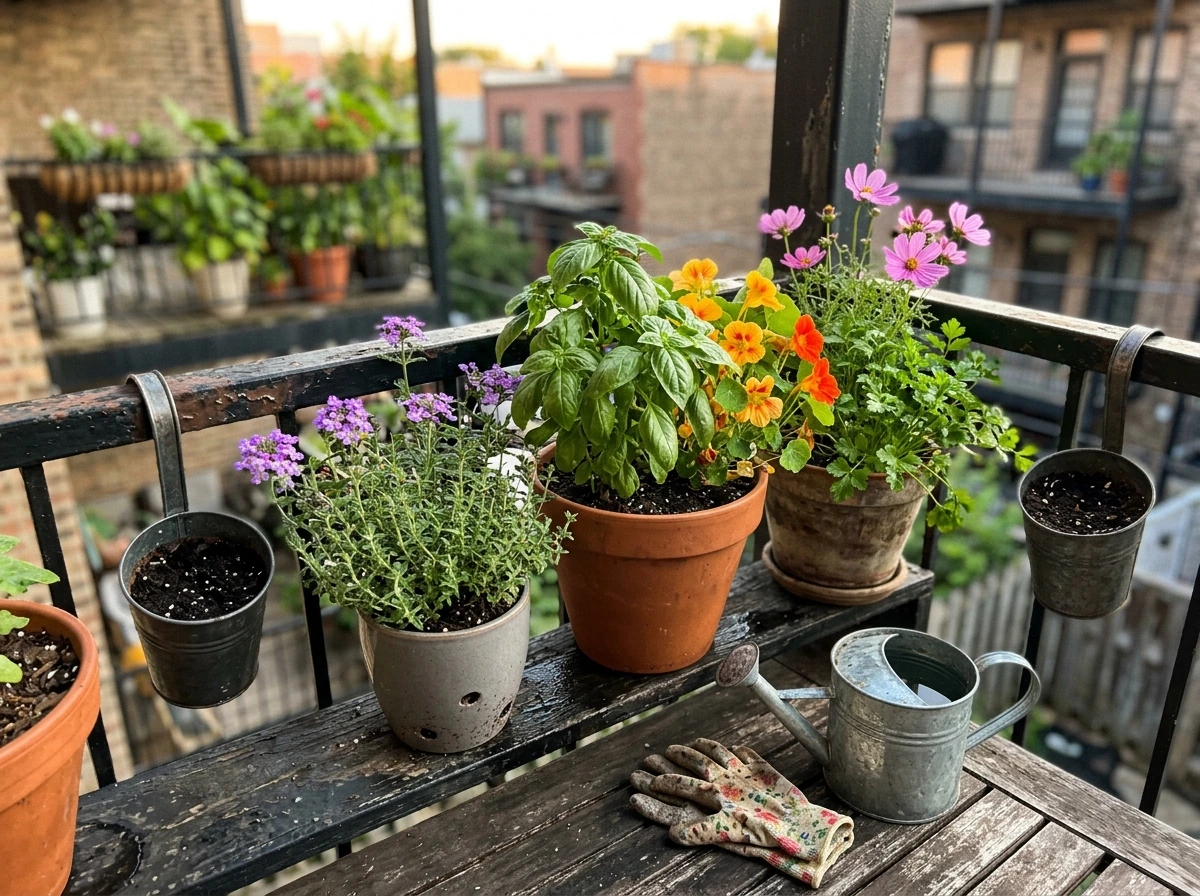
Container growing in late summer has one big advantage: you control the soil and can move pots to shelter them from early frost. It also has one big challenge: containers dry out fast in summer heat. Plan on watering once or even twice a day during hot spells for smaller pots.
For a balcony or patio, the best late-summer container picks are compact, high-value, and fast. Loose-leaf lettuce in a wide, shallow container (at least 8 inches deep) is one of the easiest wins. Radishes in a 6-inch pot work fine. Dwarf basil varieties like 'Spicy Globe' or 'Boxwood' stay tidy in a 6- to 8-inch pot and produce continuously until frost. Dwarf marigolds and nasturtiums give you flowers with no fuss.
For indoor or windowsill growing, herbs are your best bet. Basil needs a south-facing window with at least 6 hours of direct light. Chives, parsley, and mint can handle less light and are much more forgiving. If you have a grow light, you can start a microgreens tray indoors right now and harvest in 7 to 14 days, regardless of what's happening outside.
| Plant | Container Size | Days to Harvest | Light Needed | Indoor-Friendly? |
|---|---|---|---|---|
| Loose-leaf lettuce | 8 inches deep, 12+ wide | 30 to 45 days | 4 to 6 hours | Yes (bright window) |
| Radishes | 6 inches deep | 22 to 30 days | 4 to 6 hours | Yes (sunny window) |
| Dwarf basil | 6 to 8 inch pot | 45 to 60 days | 6+ hours | Yes (south window) |
| Chives | 4 to 6 inch pot | Ongoing harvest | 4 to 6 hours | Yes |
| Dwarf marigolds | 6 to 8 inch pot | 45 to 50 days to bloom | 6+ hours | Not ideal |
| Nasturtiums | 8 inch pot | 35 to 52 days to bloom | 4 to 6 hours | Possible |
| Microgreens | Shallow tray | 7 to 14 days | Grow light or bright window | Yes |
Late-summer planting checklist
Planting in late summer isn't dramatically different from spring, but the stakes are higher because you have less margin for error. A stressed seedling in August has fewer recovery days than one planted in May. Do these things before you put anything in the ground.
- Amend your soil: Add a 2-inch layer of compost and work it in. Heat and heavy summer rain have likely depleted your soil's structure and nutrients since spring.
- Water before planting: Soak the bed or container thoroughly the day before. Planting into dry, hot soil stresses transplants immediately and kills germinating seeds.
- Water in transplants: Give transplants a deep drink right at planting. For direct-sown seeds, keep the top inch of soil consistently moist until germination, which may mean watering twice daily in heat.
- Mulch right away: Apply 2 to 3 inches of straw, shredded leaves, or wood chips around (not on top of) seedlings. This is non-negotiable in late summer. Mulch cuts soil temperature by up to 10°F and slows moisture loss dramatically.
- Feed lightly: Use a balanced fertilizer or fish emulsion at planting, then again at 3 weeks. Avoid heavy nitrogen applications that push leafy growth at the expense of fruiting and root development.
- Shade new transplants for 3 to 5 days: A floating row cover or even a piece of shade cloth over transplants during their first week cuts transplant shock significantly when daytime temps are above 85°F.
- Mark your frost date: Write your average first frost date somewhere visible and count down. Knowing you have 58 days left versus 42 days changes which seeds you reach for.
Managing late-summer challenges
Heat and stress
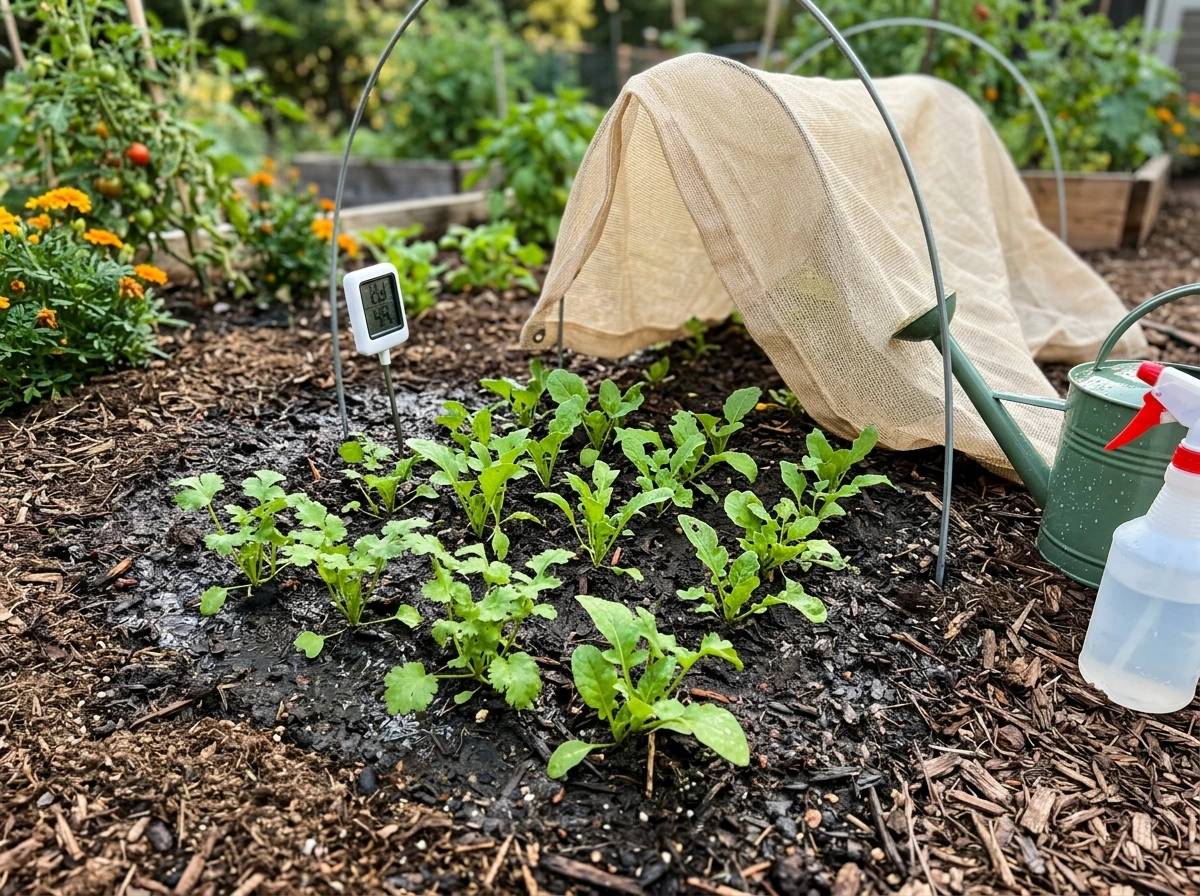
The hardest part of late-summer planting isn't frost, it's the heat you're dealing with right now. Transplants planted into soil above 85°F often go into shock and stall for a week or two before they establish. That lost time eats into your days-to-maturity window. Solutions: plant in the evening so roots have a cool night to settle, use row cover for shade in the first week, and keep soil moisture consistent. Inconsistent watering causes blossom drop in peppers and tomatoes and stunts root development in leafy crops.
Bolting
Bolting is when a plant shifts from producing edible growth to producing seeds, and it happens fast in heat. Lettuce, cilantro, and arugula are the worst offenders. To delay bolting: choose bolt-resistant varieties (look for the term on the seed packet), provide afternoon shade in zones 7 and above, keep plants consistently watered, and harvest frequently. Once a plant bolts, the flavor turns bitter and the window closes. There's no fixing it, so prevention is everything.
Pest pressure
Late summer pest pressure is high because populations have been building all season. The most common problems on late-summer crops are aphids on brassicas and leafy greens, squash vine borers if you're still running summer squash, and caterpillars (cabbage loopers and imported cabbageworms) on anything in the brassica family. A strong spray of water handles aphids in most cases. For caterpillars, Bt (Bacillus thuringiensis) is an organic solution that works well and won't harm beneficial insects. Check the undersides of leaves every few days, especially on kale, broccoli, and chard.
Frost timing and protection
A light frost (28 to 32°F) kills tender crops like basil, beans, and cucumbers outright, but many fall crops (kale, broccoli, chard, carrots, and radishes) can tolerate it or even improve with it. Know which category your plants fall into. When the first frost warning comes, cover tender plants with a floating row cover, old bedsheets, or frost cloth. Containers can be moved indoors or under an overhang. A few degrees of protection can add weeks to your harvest window. Growing Degree Day tools can help you estimate whether a borderline crop will actually finish before your frost probability rises, if you want to get more precise.
Your care-through-fall plan
Late summer to fall gardening isn't about holding on, it's about transitioning intentionally. Here's how to think about the next 8 to 12 weeks.
Right now (late August through mid-September in most zones): Get cool-season crops in the ground immediately. Every day you wait shortens your harvest window. Start with the fastest options first, radishes, arugula, and lettuce, then get brassica transplants in. Direct sow carrots and beets if you have 10 or more weeks before your average first frost. Sow zinnias and cosmos for late-season pollinator support.
Weeks 3 through 5: This is maintenance mode. Keep soil moisture consistent, watch for pests weekly, and start feeding with a low-nitrogen fertilizer to support root development over leaf growth. If you have tomatoes or peppers still going, pinch off any new flowers that won't have time to mature. That redirects the plant's energy to finishing the fruit already set.
When nights start dropping below 50°F regularly: Cool-season crops are entering their prime window. Your kale, broccoli, and chard will taste better now. Move container plants that are frost-sensitive indoors or into a garage during cold snaps. This is also when you want to start a cold frame or low tunnel if you plan to extend the season past your average first frost date.
When to stop and swap: Once a plant is clearly not going to mature before frost, pull it. Leaving a struggling plant in the ground takes up space, water, and your attention. Replace it with a cover crop like winter rye or crimson clover if you're done for the season, or tuck in garlic cloves in October for a head start on next year.
The short version: plant fast crops today, get cool-season transplants in the ground this week, mulch everything, and work backward from your frost date on anything with a longer maturity window. Late summer rewards the gardeners who move quickly and plan ahead by even a few weeks. You still have plenty of season left.
FAQ
How can I tell if it’s too late to start from seed in late summer?
Start by working backward from your first frost date, then include germination time for direct sow (often 5 to 14 days). If your crop’s seed-to-harvest timeline is longer than your frost-free window after adding germination, switch to transplants (or choose faster crops like radish and loose-leaf lettuce).
Should I plant late-summer crops in full sun or partial shade?
Use full sun for most quick fall crops, but add afternoon shade if temperatures stay extreme, especially for lettuce, cilantro, and arugula. A simple 30 to 50 percent shade cloth during the hottest part of the day can reduce heat stress and slow bolting without blocking all light.
What depth and type of mulch works best for late-summer planting?
Apply a thin layer first, about 1 to 2 inches, so you don’t trap excess heat right at the soil surface. As temperatures cool, you can top-dress slightly. Keep mulch pulled back a little from plant crowns to prevent rot and reduce pest hiding spots near stems.
How do I manage watering in late summer without overwatering?
Water deeply but on a consistent schedule, then check moisture before the next watering (finger test 1 to 2 inches down). Morning watering is usually best, because it helps reduce fungal problems. In containers, prioritize drainage and consider a saucer only if you empty standing water after 10 to 20 minutes.
My lettuce is growing, but it’s getting bitter or splitting. What’s going wrong?
Bitter flavor and splitting commonly point to heat stress and rapid bolting. Fix by switching to loose-leaf types if you’re currently growing heading varieties, harvest outer leaves more frequently, and provide afternoon shade plus steady moisture to prevent the plant from “escaping” into seed.
Do I need fertilizer right away after planting in late summer?
Typically not at full strength. In the first few weeks, focus on establishment and consistent moisture, then use low-nitrogen feeding mainly to support roots. If you see lush leaf growth with slow maturity, back off nitrogen to avoid delaying harvest.
What if my transplants go into shock after planting in August?
Plant in the evening so roots settle overnight, and keep soil moisture steady for at least the first week. Shade with a row cover or shade cloth for several days can help. If leaves wilt during the day but rebound after, it’s often temporary; if they stay limp, check root contact and drainage (don’t let roots sit in soggy soil).
How often should I check plants for pests during late summer?
Aim for at least once a week, and more often for brassicas, since caterpillars hide on leaf undersides. After watering or a storm, do a quick sweep too, because new growth attracts aphids and quick feeding damage can appear fast.
When should I cover plants for frost, and what should I cover?
Cover when a freeze is forecast for tender plants, and use light frost cloth or a floating row cover directly over crops that can’t handle temperatures in the high 20s. Remove the cover during the day once temperatures rise to prevent heat buildup, especially for leafy greens in sunny weather.
Can I grow peppers and tomatoes for a fall harvest if they’re still flowering in late summer?
Yes, but only if you redirect energy that won’t have time to mature. Pinch off flowers that appear too late for your days-to-maturity window, and avoid heavy nitrogen. Keep watering consistent, because uneven moisture is a common cause of blossom drop and stunted growth near the end of the season.
What is the quickest way to decide between quick crops and longer fall crops?
Use two buckets: harvest under about 45 days for “quick wins,” and 60 to 80 days for “longer fall crops.” If your frost-free window is uncertain, prioritize the quick bucket and only add longer crops when you’re confident you have enough days to maturity plus germination (if direct sowing).
Should I pull a struggling plant immediately or keep nursing it?
Pull it once you can see it’s not going to finish before frost. Leaving a “maybe” plant ties up space and water and can delay sowing or transplanting something that would mature. Replace with a short crop or, if you’re truly done, a cover crop like winter rye or crimson clover.
How do microclimates affect my frost planning in practice?
Treat frost as a range, not a single date. If your area tends to be colder in low spots, use the more conservative (earlier) frost estimate for crops with longer maturity timelines. For higher, windier, or warmer spots near walls or pavement, you can sometimes take a risk, but containers are your safest way to hedge because you can move them.
Next Article
Which Plants Grow Faster in Summer A Practical Guide
Discover which plants grow faster in summer, plus heat and sun tips, timelines, and fast-growing options for beds and co