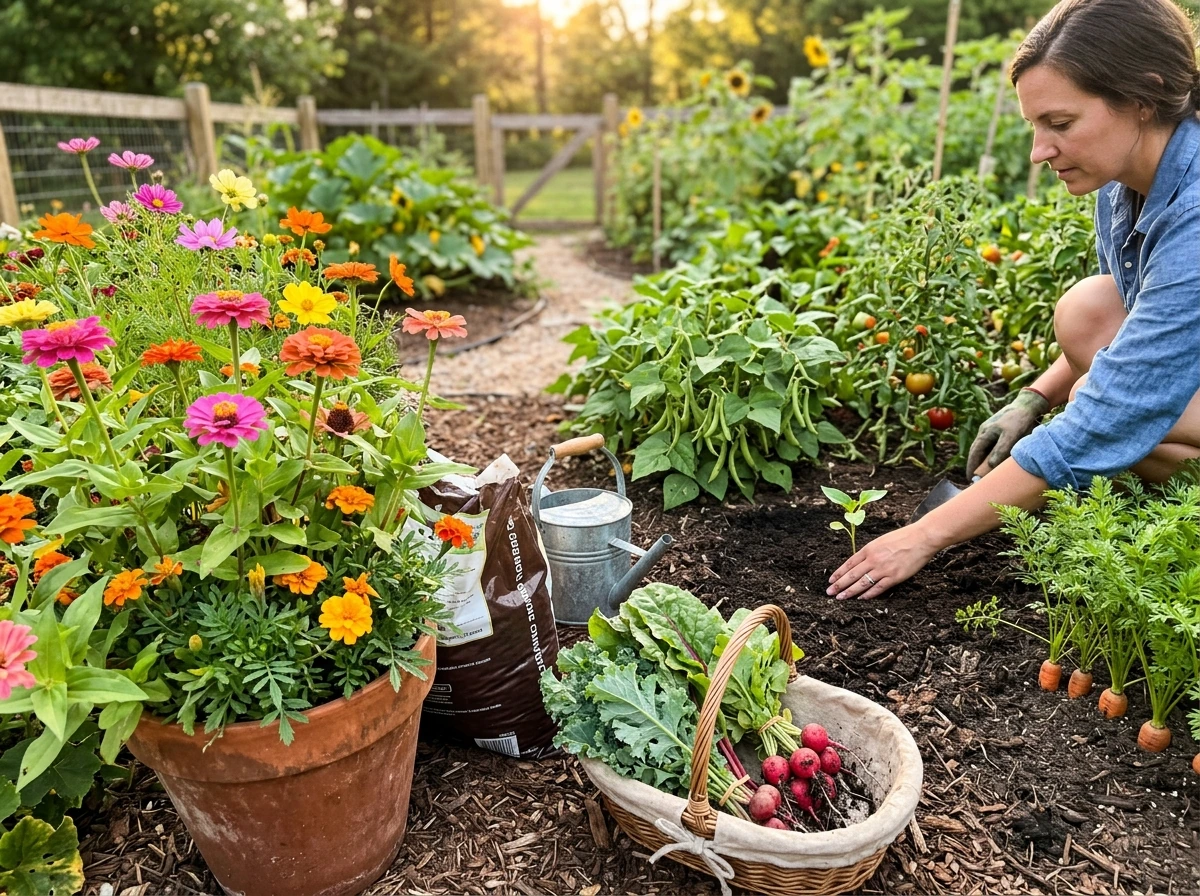
Indian summers are genuinely tough on plants. Between March and June you can expect scorching dry heat, and then from June onward the monsoon brings humidity and unpredictable rain. The good news is that plenty of flowers, vegetables, herbs, and fruiting plants are built for exactly this. The key is matching the right plant to your specific region, your space, and the right window in the summer season. This guide gives you direct recommendations for all of that, plus a care checklist and quick fixes for the most common summer failures.
Best Plants to Grow in Summer in India: Flowers, Veggies, Herbs
Rachel Hartley
24 Mar 2026
How to choose summer plants for your exact Indian climate
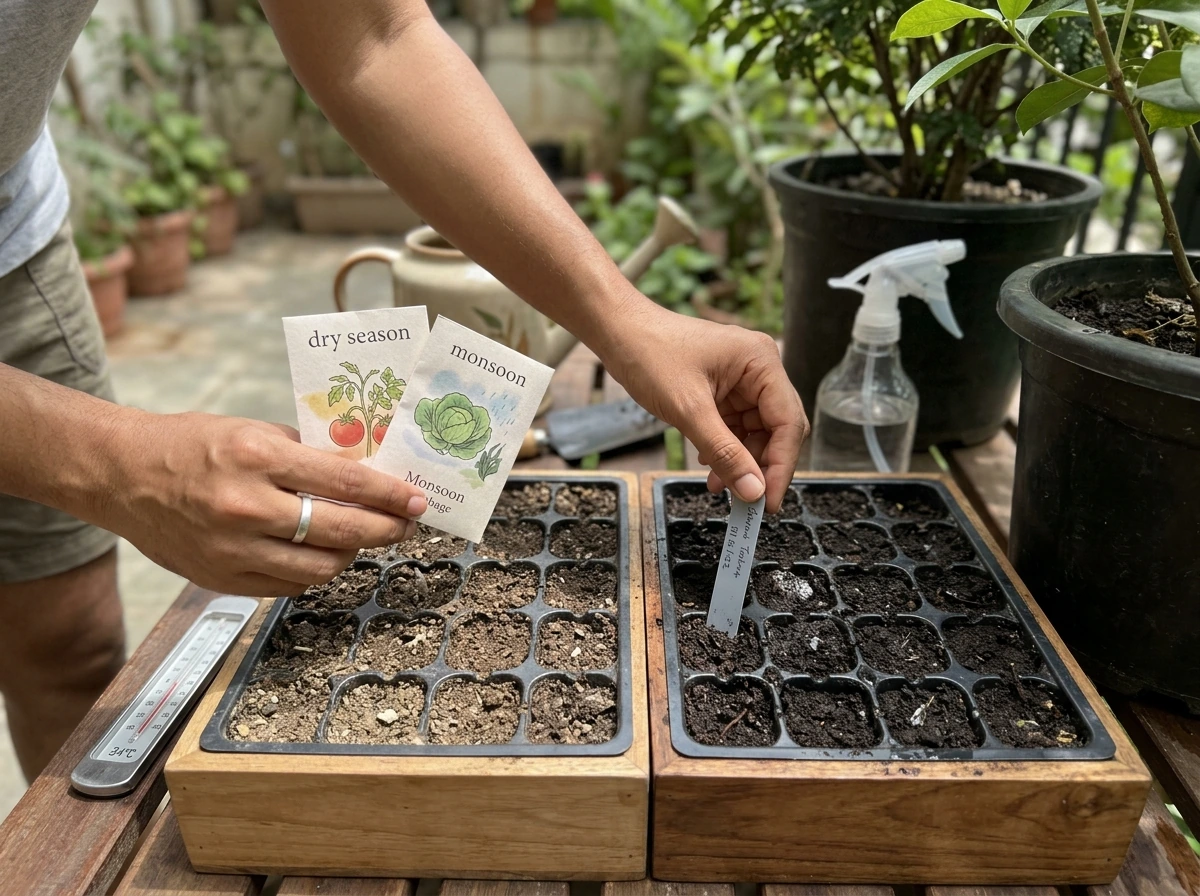
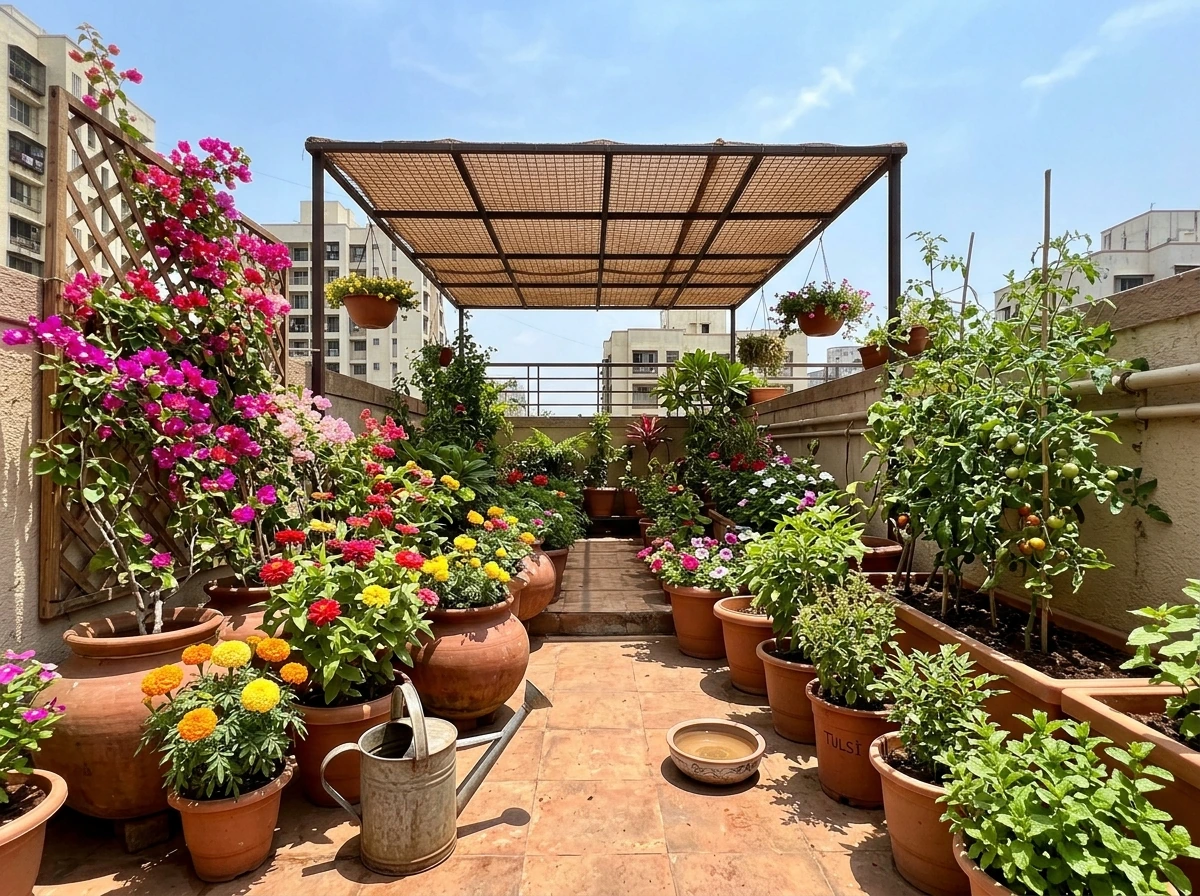
India does not have one summer. Someone gardening in Delhi is dealing with a hot, dry April and May in the Indo-Gangetic plain, followed by humid monsoon heat from late June. Someone in Chennai is managing coastal humidity and a different rainfall calendar altogether. Someone in Pune is somewhere in between. Your plant choices need to reflect this.
The most useful way to think about Indian summer gardening is in two phases. Phase one is the Zaid season: roughly March to June, hot and dry, ideal for The most useful way to think about Indian summer gardening is in two phases. Phase one is the Zaid season: roughly March to June, hot and dry, ideal for [heat-tolerant crops like watermelon, cucumber, muskmelon, okra, and most summer flowers](/seasonal-planting/which-plant-grow-faster-in-summer). Phase two is the Kharif transition: from June onward when the monsoon sets in, bringing rain and humidity, which suits cowpea, bitter gourd, and a second round of okra, but also introduces disease pressure from powdery mildew, root rot, and fungal issues.. Phase two is the Kharif transition: from June onward when the monsoon sets in, bringing rain and humidity, which suits cowpea, bitter gourd, and a second round of okra, but also introduces disease pressure from powdery mildew, root rot, and fungal issues.
When choosing plants, ask yourself three things. First, which phase am I planting in? Second, do I get full sun (6-plus hours), partial sun (3 to 5 hours), or mostly shade? Third, am I planting in ground or in containers on a balcony or terrace? The answers shape every recommendation below. As a general rule, northwest India and the Indo-Gangetic plains see some of the sharpest increases in extreme heat days, while coastal regions like Mumbai, Chennai, and Kochi experience more intense humid-heat stress. Coastal gardeners need to prioritize fungal disease prevention; inland gardeners need to prioritize heat protection and watering consistency.
Best summer flowers in India
Summer flowers in India need to do one thing above all else: survive full afternoon sun without constant attention. The following are the most reliable performers, all tested across Indian conditions.
Zinnia
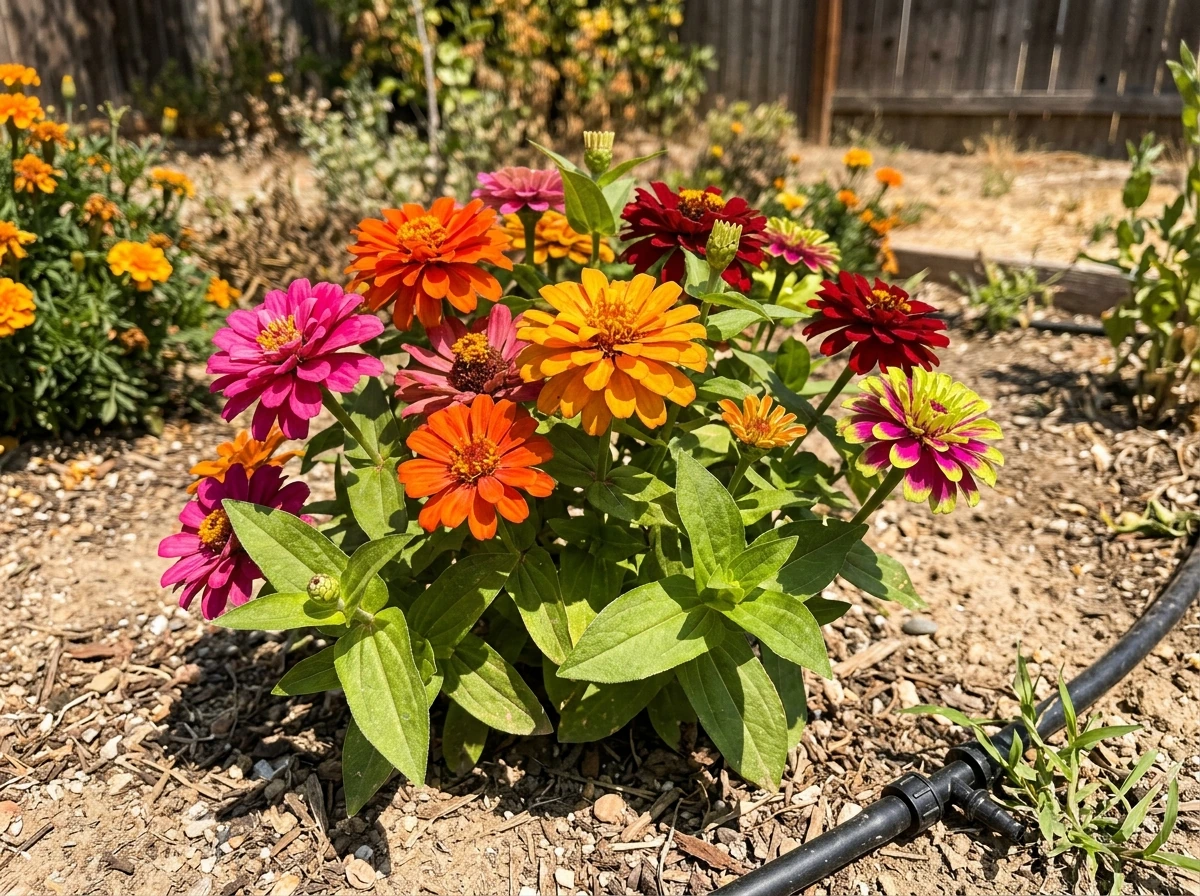
Zinnia elegans is probably the best summer annual you can grow in India. It is genuinely heat-loving, blooms prolifically through the hot months, comes in every color you can imagine, and grows from seed to flower in about 6 to 8 weeks. Sow directly in well-drained soil or containers from March onward. Thin to about 20 to 30 cm apart. Do not overwater. Zinnias hate wet feet but thrive in heat. If you want flowers in May and June, sow in March. Deadhead regularly for continuous blooms.
Portulaca (Moss Rose)
Portulaca grandiflora, also sold as Portulaca or Moss Rose, is almost impossible to kill in Indian summer. It thrives in heat, drought, and poor soil. The flowers close at night and open in bright sun, so it works best in full sun spots. It works brilliantly in shallow containers, rocky patches, or as ground cover. Sow directly after the last cool nights (March onward) or pick up trays from any local nursery in April. If you are a beginner or want zero-fuss color on a hot balcony, start here.
Marigold
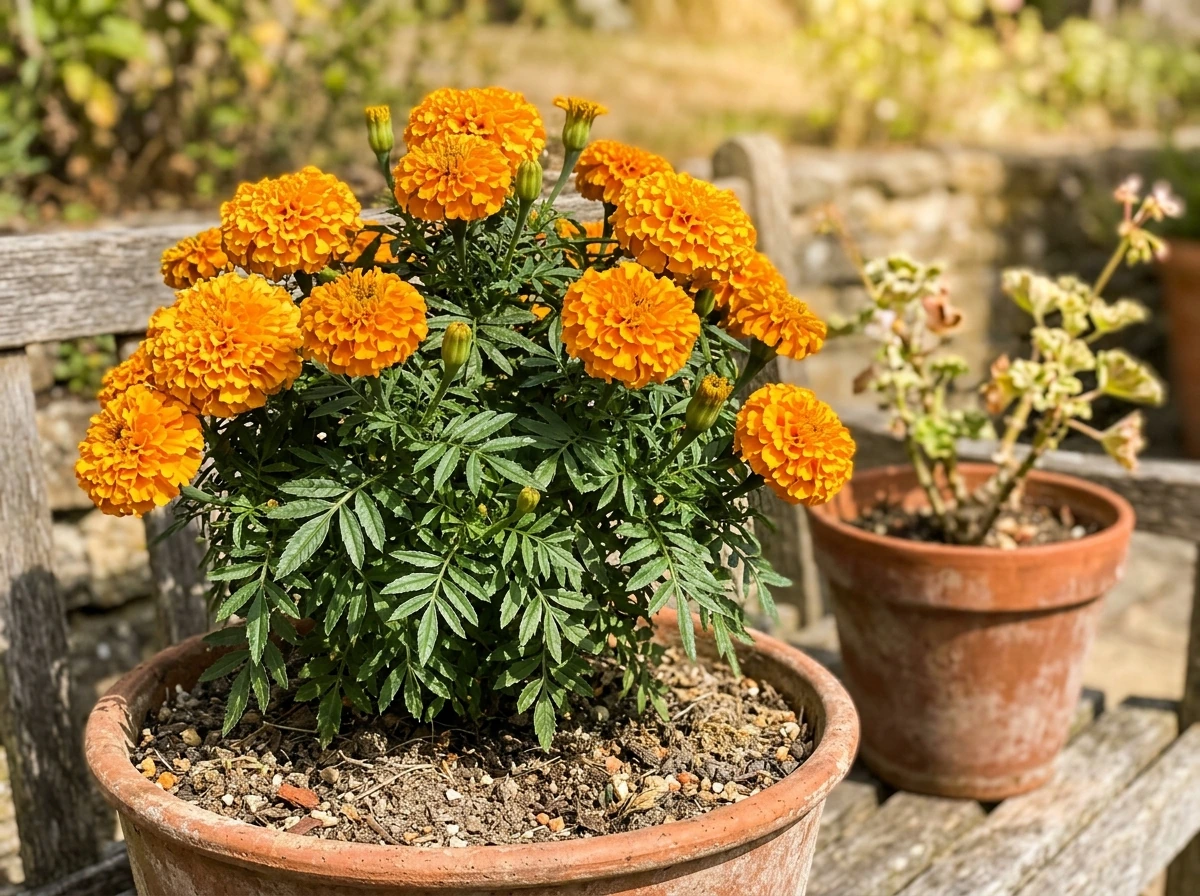
Marigold is a staple in Indian gardens for good reason. African marigolds (Tagetes erecta) handle high temperatures well and flower reliably through May and June. They also repel some pests, which makes them useful planted alongside vegetables. Sow or transplant after March. Pinch early tips to encourage bushiness and more flowers. In very heavy monsoon rain, the flowers can rot if they get waterlogged, so ensure good drainage.
Lantana
Lantana camara blooms all year in India but its most prolific flowering happens during the wet summer months, making it ideal for the June-to-August period. It is extremely heat-tolerant, attracts butterflies, and needs almost no maintenance once established. It spreads, so keep it trimmed if you are growing it in a border. For containers, keep it in a larger pot and cut back hard before the monsoon peaks.
Vinca (Periwinkle)
Catharanthus roseus, commonly called vinca or periwinkle, is one of the most heat-tolerant flowering plants available in India. It comes in white, pink, red, and purple, grows in ground or containers, and needs very little care beyond basic watering. It is a go-to for apartment balconies in cities with extreme May heat like Delhi, Nagpur, or Ahmedabad.
Bougainvillea
Bougainvillea is not a short-season annual but if you have a terrace, fence, or wall to work with, a bougainvillea planted or repotted now will reward you through the entire summer. It prefers a bit of water stress to trigger heavy blooming, so actually doing slightly less watering encourages more flowers. It works well on balconies in large pots as long as it gets direct sun for most of the day.
Best summer vegetables and herbs in India
Summer vegetables split into two groups in India: those that love the dry heat of March to May (Zaid crops), and those that prefer the monsoon transition from June onward (early Kharif crops). Getting this timing right is the difference between a productive kitchen garden and a failed one.
Zaid season stars (March to June): grow these now
- Cucumber: Direct sow March to April. Grows fast in heat, needs consistent watering and a trellis or it sprawls. Susceptible to powdery mildew once humidity rises, so watch for white patches on leaves and improve airflow.
- Watermelon and muskmelon: Classic Zaid crops. Need full sun, well-drained sandy-loam soil, and space. Sow in March for harvest in May to June. Not ideal for containers.
- Okra (Bhindi): Sow from late February through March for the summer crop. In north India, the Kharif sowing window is mid-June to late June. Okra performs well from 24°C upward and is one of the most heat-tolerant vegetables you can grow. Perfect for containers or small beds.
- Bitter Gourd (Karela): In hill regions, sow April to July. In southern areas like Coimbatore, the best results come from a September to October sow, so adjust by region. Needs a trellis.
- Ridge Gourd, Snake Gourd, Ash Gourd: All are Kharif-friendly climbers. Sow June to July as the monsoon begins and let them climb.
Herbs that handle Indian summer well
- Tulsi (Holy Basil): Thrives in heat, grows easily from cuttings or seeds, and benefits from the humidity of the monsoon transition. Grow in pots or ground. Harvest leaves regularly to prevent flowering if you want continuous leaf production.
- Curry Leaf: Slow from seed but once established, it handles heat very well. Best started from small saplings bought from a nursery.
- Moringa (Drumstick): Grows aggressively in heat with minimal water. If you have ground space or a very large container, a moringa gives you edible leaves through summer.
- Mint: Needs partial shade in peak summer and consistent moisture. Works well in containers if you keep it out of the harshest afternoon sun.
- Lemongrass: Extremely heat- and drought-tolerant once established. Grows in large clumps. Good for containers or a sunny corner.
A note on basil (the Italian variety): it can struggle in extreme Indian summer heat above 40°C, especially in inland cities. Grow it in a spot that gets morning sun but afternoon shade. Tulsi is a much easier choice for most Indian gardeners in peak summer.
Best fruiting plants and climbers for Indian summers
If you have a fence, trellis, pergola, or even a strong railing, summer is actually a great time to grow climbing fruiting vegetables. Most of India's popular climbers are warm-season plants that want heat and humidity together, Most of India's popular climbers are warm-season plants that want heat and humidity together, which means the June to August window is ideal for them.
Climbers worth growing
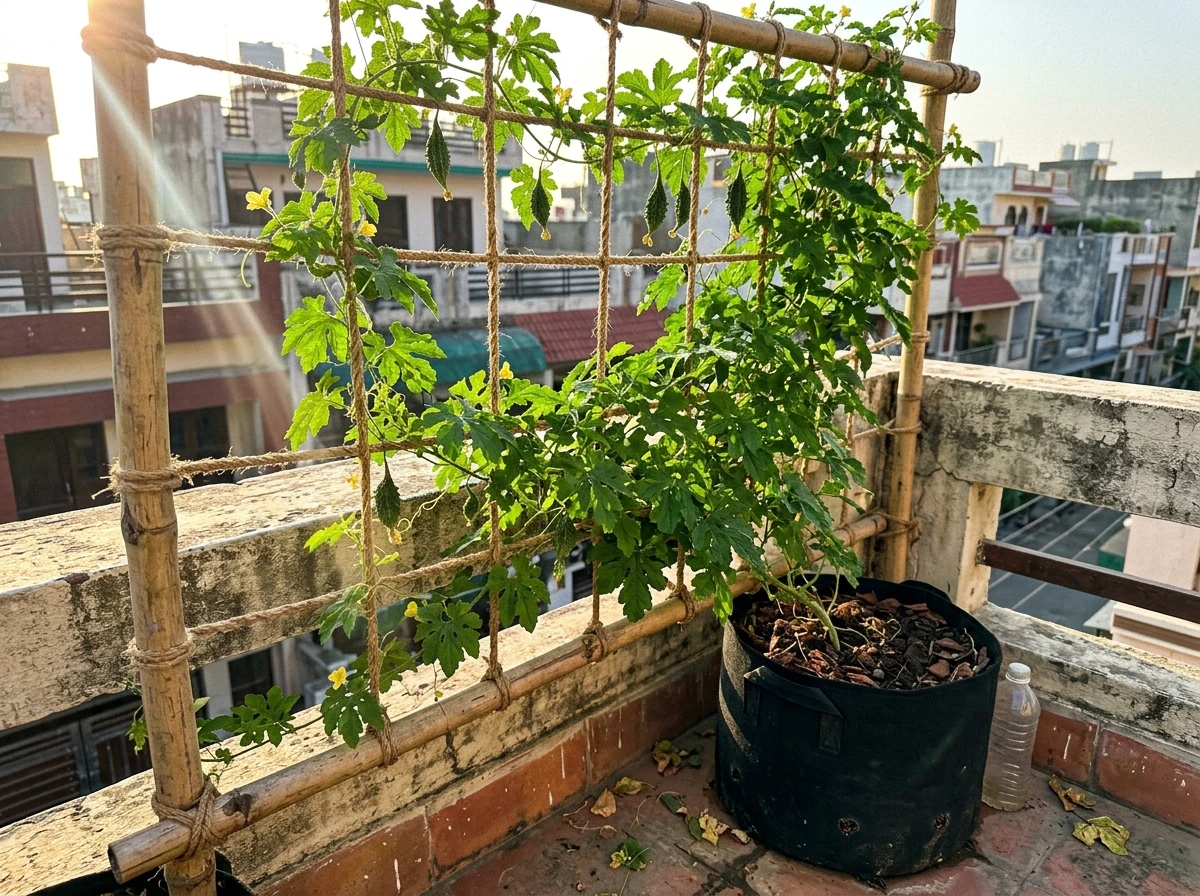
- Bitter Gourd (Karela): Train up a bamboo or rope trellis. A 2-meter vertical setup works well even on a terrace. Start seeds in small pots and transplant after 2 to 3 weeks.
- Ridge Gourd (Turai): One of the fastest-growing climbers in the monsoon season. Sow directly or in pots from June. Needs strong support as the gourds can get heavy.
- Cowpea (Lobia): Bushy or climbing varieties available. Photo-insensitive varieties do well in both spring-summer and rainy seasons. Grows fast, fixes nitrogen in soil, and gives you edible beans in about 60 days.
- Cucumber: Can be trained vertically on a trellis to save space. Much better airflow than letting it sprawl, which also reduces mildew.
- Passionfruit: A longer-term investment. Once established, it flowers and fruits through summer in warm zones. Needs a strong trellis and returns for several years.
Trellis tips for Indian terraces and balconies
For containers, use a deep pot (at least 12 to 15 inches) with a bamboo trellis tied to the railing or wall. A single bitter gourd or ridge gourd plant in a 15 to 20 litre grow bag with a trellis can produce well through the monsoon. Lightweight jute netting works better than plastic mesh in Indian heat because it does not burn young tendrils. Fix the trellis before the plant starts climbing, not after.
Low-maintenance options for balconies, terraces, and containers
If you are an apartment gardener with a few hours a week to spare, or if you travel regularly, you need plants that can handle some neglect. The good news is that several of India's best summer plants are genuinely forgiving.
| Plant | Container Size | Sun Needs | Watering | Best For |
|---|---|---|---|---|
| Portulaca | 6–8 inch pot or window box | Full sun | Every 2–3 days; tolerates drought | Color, low effort, hot balconies |
| Vinca (Periwinkle) | 8–10 inch pot | Full to partial sun | Every 1–2 days in peak heat | Continuous color, beginner-friendly |
| Aloe Vera | 8–12 inch pot | Full sun to partial shade | Once a week or less | Medicinal use, nearly zero maintenance |
| Bougainvillea | 12–15 inch pot minimum | Full sun, 6+ hours | Every 2–3 days; less to trigger bloom | Color, large terrace, railing climber |
| Tulsi | 8–10 inch pot | Full sun to partial shade | Daily in summer heat | Kitchen herb, low-maintenance |
| Okra | 12–15 inch deep pot | Full sun | Daily in peak heat | Edible crop, compact |
| Lantana | 10–12 inch pot | Full sun | Every 2–3 days once established | Butterflies, color through monsoon |
| Lemongrass | 12+ inch pot | Full sun | Every 2 days; drought-tolerant once established | Herb, fragrance, nearly zero pests |
Container choice matters more than most people realize. Terracotta pots lose water faster through evaporation than plastic or ceramic, which can be a problem in May heat when you might need to water twice a day. In peak summer, plastic or glazed ceramic containers with drainage holes are more forgiving. If you love terracotta, move those pots to a slightly shadier spot during the hottest weeks or double-pot them (terracotta inside a plastic outer pot) to reduce moisture loss.
Planting schedule and care checklist for summer success
Planting windows at a glance
| Crop / Plant | When to Start | Method | Notes |
|---|---|---|---|
| Zinnia | March–April | Direct sow or transplant | Sow again in September for a second flush |
| Portulaca | March–May | Direct sow or nursery tray | Reseeds itself once established |
| Marigold | March–April | Transplant seedlings | Pinch tips for more blooms |
| Okra | Feb–March (summer); June–July (Kharif) | Direct sow | North India: mid-June to late June for Kharif |
| Cucumber | March–April | Direct sow with trellis | Watch for powdery mildew post-June |
| Bitter Gourd | April–July (hills); adjust by region | Sow in small pots, transplant | Needs trellis from day one |
| Cowpea | March–June | Direct sow | Fast crop, about 60 days to harvest |
| Watermelon / Muskmelon | March–April | Direct sow | Needs space; not for containers |
| Tulsi | March–June | Seed or cuttings | Grows through monsoon too |
| Ridge Gourd | June–July | Direct sow with trellis | Peak monsoon producer |
Watering
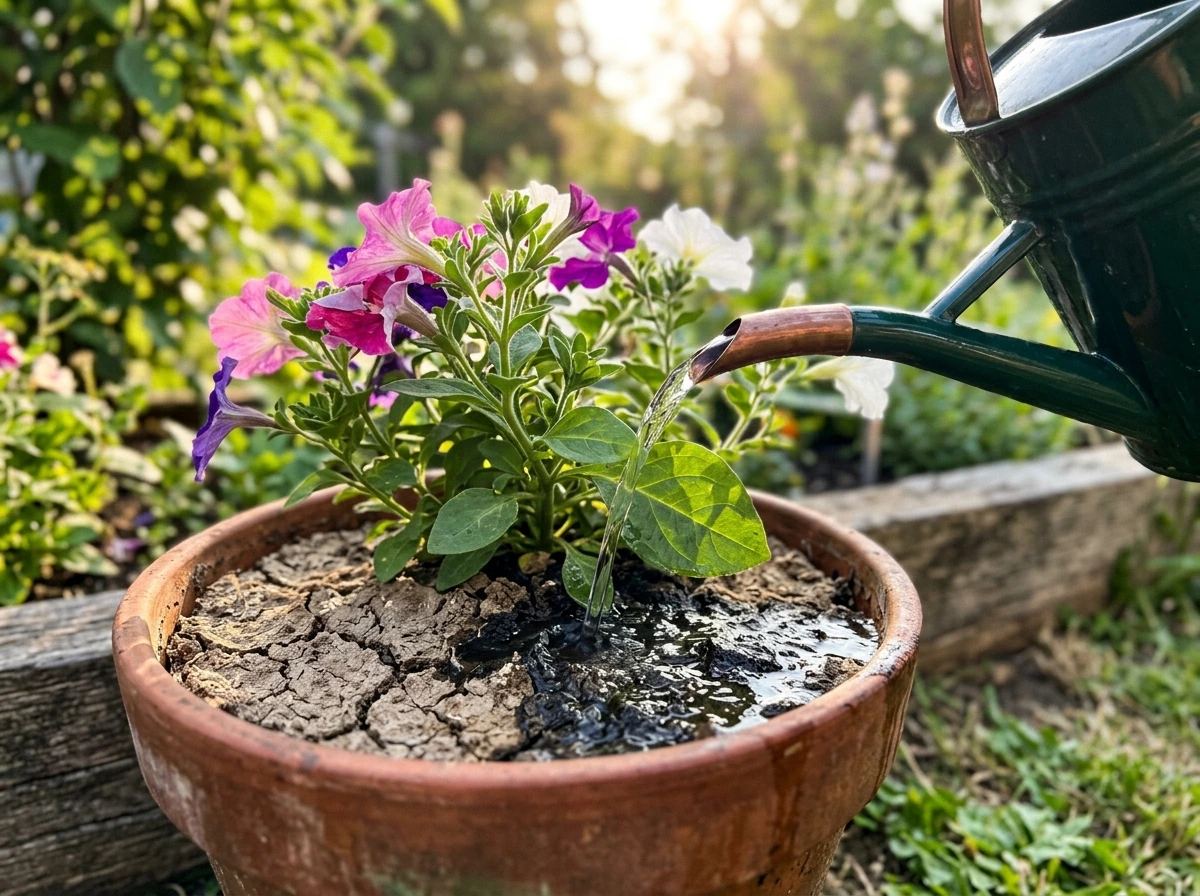
In April and May, most outdoor plants in full sun need daily watering, and containers may need water twice a day during a heat wave. Water early morning so leaves dry before evening, which reduces fungal risk. Avoid watering at midday when the sun can cook wet soil and stress roots. As monsoon sets in, scale back on supplemental watering and make sure all containers and beds have good drainage so roots do not sit in waterlogged soil. Drip irrigation or ollas (clay pot irrigation) can dramatically reduce your workload and water use while keeping moisture consistent.
Soil and mulching
For in-ground beds, mix in compost before the season starts. A good summer soil for vegetables is well-draining but holds some moisture, roughly 60% garden soil, 30% compost, and 10% coarse sand or perlite. Mulch is your best friend in Indian summer. A 5 to 7 cm layer of dry leaves, straw, or coco peat around plants reduces soil temperature, slows evaporation, and suppresses weeds. Reapply mulch after heavy monsoon rains wash it thin. For containers, coco peat-based potting mix works better than regular garden soil because it retains moisture without waterlogging.
Shade management
Even heat-tolerant plants can suffer from direct western afternoon sun in May and June, especially in cities like Delhi, Jaipur, or Nagpur where temperatures cross 44°C. A 30 to 50% shade net over your vegetable bed or terrace containers during the peak afternoon hours (12 PM to 4 PM) can make a real difference without cutting too much light. Remove or roll back the shade net once the monsoon brings cloud cover naturally.
Pest and disease control
Summer brings spider mites in dry heat and aphids as soon as new growth appears. Check the underside of leaves regularly. A diluted neem oil spray (5 ml neem oil plus a drop of dish soap in 1 litre of water) applied in the evening works well as a broad-spectrum organic control. Once the monsoon starts, shift your attention to fungal issues. Powdery mildew is a major problem on cucurbits (cucumber, bitter gourd, ridge gourd) under warm, humid conditions. It appears as white powder on leaves and spreads fast. Improve airflow, avoid overhead watering, and apply a diluted baking soda spray (1 teaspoon per litre of water) at the first sign. Root rot in containers is almost always caused by overwatering combined with poor drainage, especially once monsoon rain is added on top of your manual watering schedule. Check drainage holes regularly.
What to do this week
- Decide which phase you are in: pre-monsoon dry heat, or transitioning into monsoon. This determines whether you sow Zaid crops (cucumber, okra, flowers) or Kharif climbers (ridge gourd, bitter gourd, cowpea).
- Get your soil or potting mix ready. Add compost to beds now. For containers, use fresh coco peat-based mix.
- Buy seeds or seedlings from a local nursery this week. For instant color, grab portulaca, vinca, or marigold trays. For vegetables, pick up okra or cucumber seeds.
- Set up any trellis structures before planting climbers. It is much harder to add after the plant is growing.
- Apply a layer of mulch to existing plants and beds to protect them from heat and reduce watering frequency.
- Check your containers for drainage. Add holes if needed and empty any saucers that collect standing water.
- Schedule a morning watering routine. Morning is significantly better than evening or midday for Indian summer conditions.
Quick troubleshooting: when things go wrong
Plant is wilting even after watering
Check whether the soil is actually dry or just the surface. In peak summer, soil in containers can feel dry on top but be wet underneath. Wilting after watering in very hot afternoon sun can also be temporary heat stress: the plant closes its stomata to conserve moisture. If wilting happens in the morning before the heat builds, that is a real water problem. If it only wilts in the afternoon and recovers by evening, it is heat stress. In that case, add shade cloth or move the container to a slightly protected spot.
Plant is not flowering
The most common reasons are too much nitrogen (from over-fertilizing with a high-N fertilizer), not enough direct sun, or the plant is simply too young. For bougainvillea specifically, flowering is actually triggered by slight water stress. If you are overwatering it, reduce frequency. For annuals like zinnia and marigold, make sure they are getting 6-plus hours of direct sun. Pinching back the first few tips encourages more side shoots and more flowers.
Leaf edges are brown or scorched
Brown leaf edges in summer are almost always sun scorch or salt buildup in the soil. If a plant that was doing fine suddenly shows crispy edges after a heat wave, it is likely scorch from intense western afternoon sun. Move it or add shade. If the browning is concentrated at the tips and the soil has been heavily fertilized, flush the container with plain water to wash out excess salts.
White powder on leaves
This is powdery mildew and it is extremely common on cucurbits, especially once humidity rises. It does not need consistently wet leaves to spread, just warm and humid conditions, which describes most of India from June onward. Remove affected leaves immediately, improve airflow between plants, and apply neem oil or baking soda spray every 5 to 7 days. Do not compost affected leaves.
Seedlings dying shortly after germination
This is usually damping off, a fungal issue caused by overwatering or soggy soil. It happens more in monsoon conditions when you continue to water as frequently as in dry summer. Once the rains arrive, scale back your manual watering and make sure your seed trays or containers drain freely. Sowing directly into well-draining soil and avoiding fine seed trays with poor drainage is the best prevention.
Indian summer gardening is genuinely rewarding when you plant with the season rather than against it. Pick heat-tolerant plants for the dry phase, transition to monsoon-friendly climbers and herbs as the rains arrive, and keep your watering and drainage sharp throughout. Whether you are working with a large backyard in Lucknow or a handful of containers on a Mumbai balcony, there is a solid lineup of plants that will perform well for you right now.
FAQ
Can I grow summer plants in India throughout the whole summer, or should I stagger sowing?
Yes, but stagger sowing. In the Zaid window (March to June), start with quick seed-to-flower or fast-greening options (zinnia, portulaca, okra, watermelon) and then repeat sowing every 2 to 3 weeks so you get overlapping harvests before heat peaks fully. For Kharif (June onward), shift to monsoon-suited crops (cowpea, bitter gourd, ridge gourd, and a second round of okra) rather than trying to force the Zaid crops through heavy humidity.
What is the safest shade approach for summer plants in very hot cities like Delhi?
Aim for a protection strategy, not full shade. A 30 to 50 percent shade net only for 12 PM to 4 PM during extreme May heat helps prevent leaf scorch without reducing flowering too much. If you only have one solution, choose partial shade in the afternoon and keep morning sun intact, because many heat bloomers set buds more reliably with strong morning light.
How should I mulch during summer, and what type avoids problems during monsoon?
In most Indian summers, use mulch, but choose the right type and reapply timing. Dry straw or coco peat works well for vegetables and pots, apply around the plant leaving a small gap at the stem, and top up after monsoon rains that wash mulch thin. Avoid thick, wet-looking organic layers that stay soggy in containers, since that can worsen root issues.
Why do my container plants wilt even after I water, and how do I diagnose it correctly?
For containers, prioritize soil moisture stability over “lightness.” If your mix dries out daily, plant will experience alternating drought and heat stress even if you water on schedule. Use a coco peat based mix for containers, ensure multiple drainage holes, and water by checking 2 to 3 inches down (not just the surface). If you repeatedly see surface dry and deeper wet, you have a drainage or watering pattern mismatch.
My plants look fine in April, then collapse in monsoon. What changes should I make in June?
The two biggest mistakes are overwatering and poor drainage during monsoon. Many gardeners keep the same watering routine from Zaid and then add manual water during rainy weeks, which triggers damping off in seedlings and root rot in mature plants. Once monsoon begins, stop watering when rainfall is adequate, and check that pots and beds drain quickly before adding any extra water.
How often should I water summer plants, and does it differ for flowers vs vegetables?
Choose based on plant type. Portulaca and zinnia are generally forgiving with less frequent watering (but still need good initial establishment). Cucurbits and climbers like bitter gourd usually need more consistent moisture, but they hate standing water. As a rule, water deeply in the morning for vegetables and climbers, then only top up when the deeper root zone starts to dry, not when the top layer feels dry.
Can I start seedlings late in summer, or is it better to direct sow everything?
Yes, but timing and spacing matter. If you plant in full sun and it’s already late in the season, you may get survival without good flowering because young plants can be shocked by peak heat. For quick success, start seedlings in a more protected spot or use direct sowing for heat lovers earlier in the Zaid phase, then transplant only when the weather is slightly cooler (early mornings and after a brief cloudy period if possible).
What are the most common “neglect-related” problems in Indian summer gardening?
If you want a low-effort option, pick plants that tolerate neglect but still manage pests. Check leaves weekly for spider mites and aphids, especially on new growth, and use neem oil early when you first see spots or curling. For diseases, improve airflow and avoid wetting foliage from overhead watering. Neglect usually fails when pests or mildew get unnoticed for 10 to 14 days during warm humid weather.
My leaves get brown edges in summer. How do I tell sun scorch from fertilizer or salt damage?
Brown leaf edges usually come from either scorching sun or salt buildup. If browning appears right after a heat wave on exposed leaves, provide afternoon protection or move the pot. If browning is paired with heavy fertilization, flush containers with plain water to wash salts and then resume with lighter feeding. Also ensure your soil mix drains well so salts do not accumulate from repeated drying and rewetting.
What watering pattern works best for bougainvillea to keep it flowering through summer?
Bougainvillea needs a different watering mindset than most ornamentals. Slight water stress triggers more blooming, so avoid frequent light watering. In containers, check moisture with a finger test 2 inches down, water only after the mix dries partially, and do a harder prune before monsoon peaks if you want a flush of new flowers.
How do I stop powdery mildew on cucurbits quickly in June and July?
If mildew starts, remove affected leaves immediately and improve airflow by spacing plants and keeping vines from tangling. In India’s humid monsoon transition, repeated exposure matters, so apply a preventive-style spray interval at first sign, and avoid adding affected leaves to compost. For cucurbits, also minimize leaf wetness by watering at the base and aiming water early in the day.
What causes damping off and root rot during monsoon, and how can I prevent it in seed trays?
Damping off and root rot are usually linked to too-wet conditions during humid weeks. In seedlings and small containers, reduce watering frequency, avoid fine seed trays that hold water, and keep seed-starting media loose and free draining. Also verify drainage holes are not blocked by compacted media and do not keep trays sitting in runoff water.
Is drip irrigation or ollas worth it for apartment balconies during Indian summer?
Yes, and it often works better than overhead watering. Drip irrigation reduces leaf wetness, helps keep moisture consistent, and lowers fungal risk during humid periods. If you cannot install drip, use clay pot irrigation (ollas) for steady root-zone moisture. For balconies, pair this with morning-only watering so leaves dry before evening.
Next Article
Best Plants to Grow in Late Summer: Quick Color and Harvest
Best late-summer plants for fast blooms and fall harvest, with container picks, timelines, and care checklist to beat he