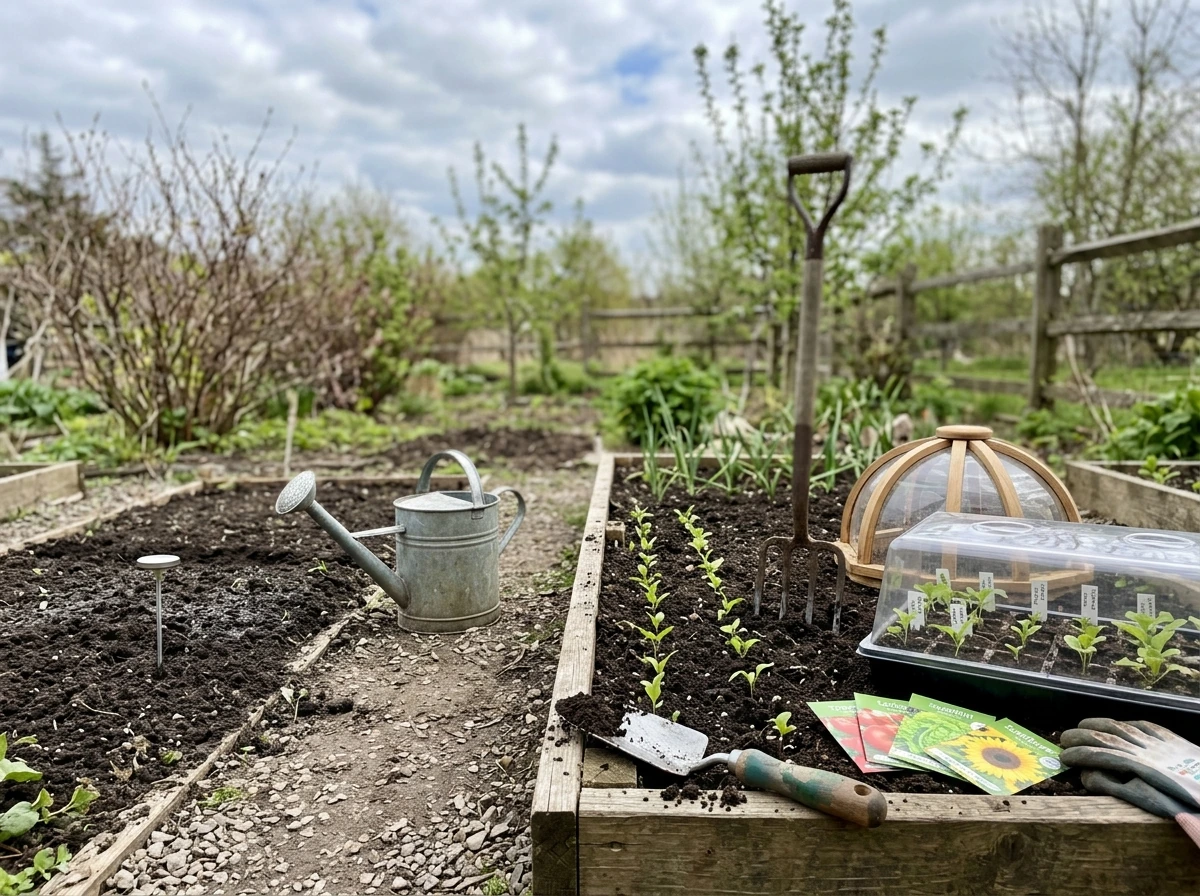
Summer is genuinely one of the best times to grow food and flowers, but only if you pick plants that are built for heat rather than fighting it the whole season. The short answer: warm-season vegetables like tomatoes, peppers, cucumbers, squash, okra, and beans thrive in summer heat. Fast herbs like basil and cilantro are ready in about a month. Marigolds, zinnias, and sunflowers handle full summer sun with almost no fuss. And if you want fruit, strawberries, blueberries, and melons all love the long, warm days. The key is matching what you plant to where you live and how much sun you've got, because 'summer' in Minnesota is very different from summer in Florida or Southern California.
What Plants to Grow in Summer: Best Picks for Sun, Heat
Rachel Hartley
24 Mar 2026
What actually grows well in summer
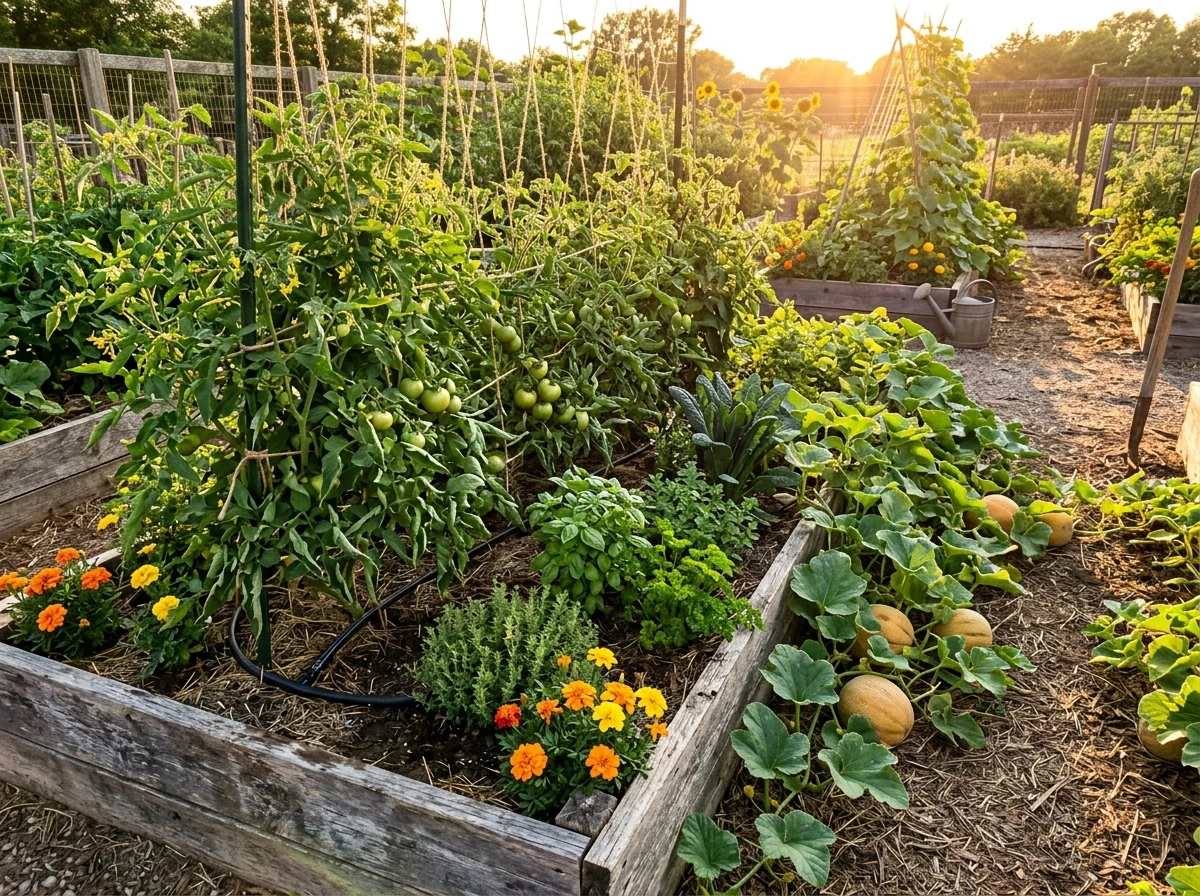
Most plants that struggle in summer are cool-season crops, things like lettuce and spinach that were designed for spring and fall. They bolt, turn bitter, and essentially give up when temperatures climb. Warm-season crops are the opposite: they need heat to perform, and summer gives them exactly that. Think of squash, cucumbers, peppers, beans, okra, melons, and basil. These plants use the long days and warm soil to grow fast and produce heavily. If you plant them now (late March into April in most of the US), you're setting yourself up for a productive summer harvest window.
That said, even among warm-season crops there are nuances. Tomatoes, for example, can stop setting fruit when temperatures stay above 90°F, so timing your planting so they're established and flowering before the peak heat arrives is smart. Okra, on the other hand, actually loves extreme heat and just keeps producing. Choosing the right plant for your specific summer conditions is the whole game.
Best summer plants, broken down by type
Vegetables
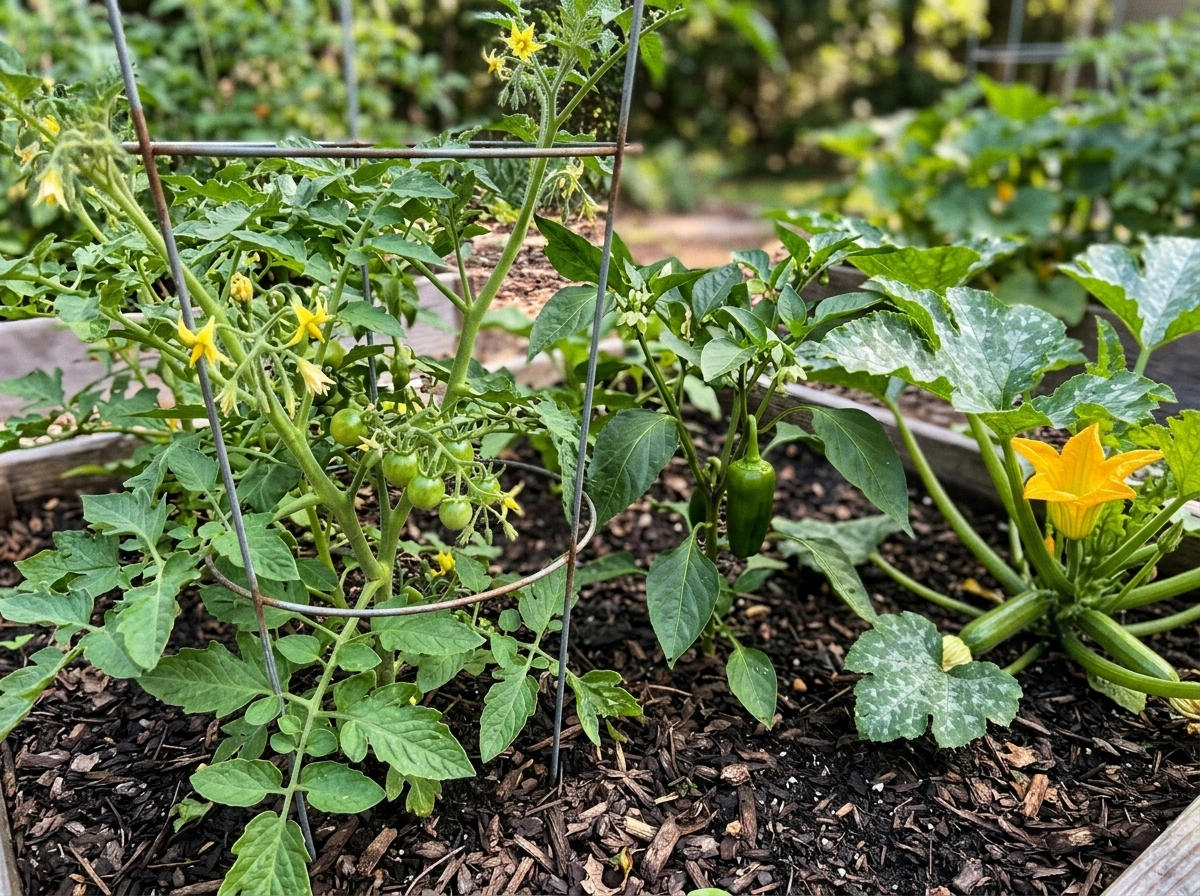
These are the workhorses of a summer garden. All of them love warm soil (around 60–70°F minimum) and full sun, and they'll reward you with continuous harvests if you keep up with watering and basic pest management.
- Tomatoes: the classic summer crop. Start transplants in spring so they're flowering by early summer. They may slow fruit set in peak heat but recover once nights cool slightly.
- Peppers: thrives with warm conditions, ideally soil around 70°F. Produces all summer and into fall. Watch for powdery mildew in high heat.
- Cucumbers: fast producers (ready in 50–65 days from transplant), great for containers or in-ground. Plant successive crops every 3 weeks for a continuous harvest.
- Summer squash and zucchini: incredibly fast and productive. One or two plants is usually plenty. Watch for squash bugs starting in early June.
- Okra: arguably the best pure heat crop you can grow. Thrives when soil hits 70°F. Fast and high-yielding once it starts blooming, and blooms turn to harvestable pods within a few days.
- Bush beans: direct sow every few weeks for a rolling harvest. Ready in 45–65 days and low-maintenance.
- Eggplant: loves heat, does well in containers, and looks beautiful. Takes a bit longer to mature but is reliable all summer.
Herbs
Herbs are some of the fastest-payoff plants you can grow in summer. Basil and cilantro are both ready for harvest about a month after sowing seed, making them ideal for anyone who wants quick results. Basil especially loves heat and full sun. Plant it near tomatoes, harvest the top leaves regularly to prevent flowering, and it'll produce all summer. Cilantro is trickier since it bolts quickly in heat, but if you sow it every 2 to 3 weeks and keep it in partial afternoon shade, you can get a steady supply. Other reliable summer herbs include dill, parsley, chives, and thyme, all of which handle heat reasonably well with consistent moisture.
Fruits
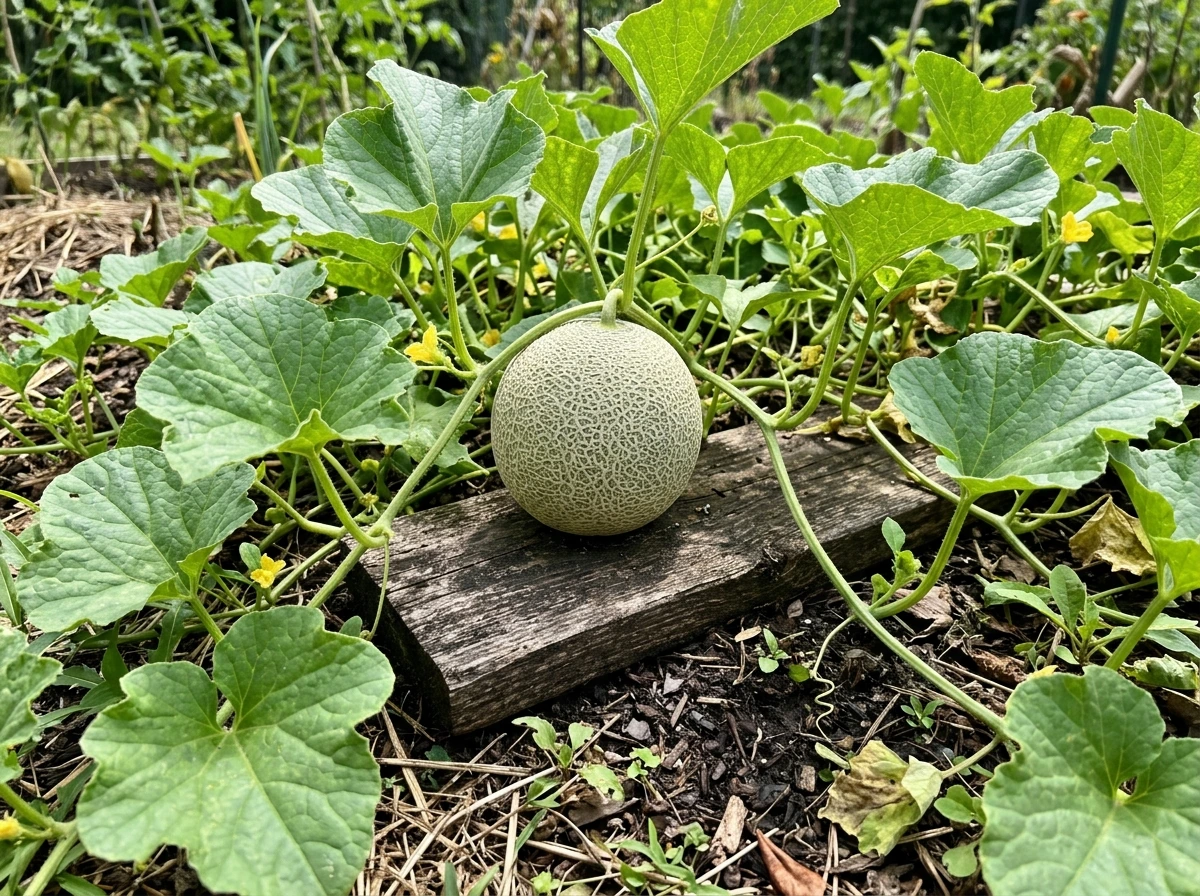
Melons (watermelon, cantaloupe, honeydew) are peak summer performers. They need full sun, warm soil, and a bit of space, but the payoff is hard to beat. Start transplants in spring or direct sow after your last frost date. Strawberries can produce through early summer in most climates, and blueberries hit their stride right in the heat of summer if you have established plants. If you're starting from scratch with fruit, most small fruits need at least 1 inch of water per week through the growing season, so have your irrigation plan sorted before planting.
Flowers
For flowers that won't let you down in summer heat, marigolds are the single best starting point. They need full sun all day for the best blooms, can be direct seeded once soil reaches 65°F, and they produce continuously through the season. Their strong scent also helps deter some pests, which is a genuine bonus in the vegetable garden. Zinnias are equally bulletproof: direct sow them in full sun and they'll be flowering in 6 to 8 weeks. Sunflowers, gaillardia, and coreopsis are other heat-proven performers. If you want perennials that come back each year, daylilies are nearly indestructible in summer and handle heat and drought well.
How to pick the right plants for your location and light
Before you buy anything, be honest about two things: how much direct sun your space gets, and what your summer temperatures actually look like. 'Full sun' means 6 or more hours of direct sunlight per day. Tomatoes, peppers, squash, cucumbers, melons, and most summer flowers need full sun to produce well. If you have partial shade (3 to 6 hours of sun), you can still grow leafy herbs like parsley and chives, or try nasturtiums and impatiens for flowers.
Your climate zone matters too. If you're in the South or Southwest (Florida, Texas, Arizona, Southern California), your summer heat is intense and humidity can vary wildly. Florida summers bring heat and humidity that make certain crops like tomatoes unreliable, while okra, sweet potatoes, and heat-tolerant herbs step up. In the Upper Midwest or Pacific Northwest, summers are shorter and milder, so fast-maturing varieties matter more since you have fewer frost-free weeks to work with. If you're gardening in a climate like India's, the distinction between dry summer and monsoon season is the real deciding factor for what goes in when. Our guide on the best plants to grow in summer in India covers that regional context in more detail.
A useful rule of thumb from Illinois Extension: choose plants that are built for the heat rather than trying to force cool-season crops to survive it. That means leaning on okra, peppers, squash, and basil rather than fighting to keep lettuce alive past June. Work with your climate, not against it.
Planting timelines: what to sow or plant now vs. later
Right now (late March through April for most of the US), you should be starting or transplanting your main warm-season crops: tomatoes, peppers, eggplant, and squash. These need to go in after your last frost date, but if you're starting transplants indoors, now is the time. Direct sow beans, zucchini, cucumbers, and okra (once soil hits 70°F) as soon as nights stay reliably warm. Basil and marigolds can go in from seed right now for most zones.
For midsummer (July onward), the strategy shifts. You can still direct sow fast-maturing crops for a fall harvest: radishes are ready in 30 to 60 days, mustard greens in 30 to 40 days, bush beans in 45 to 65 days, and beets in 50 to 60 days. Kale and Swiss chard (40 to 60 days each) planted in late July will mature into cooler fall weather when they taste best. If you're planning your August planting window, the articles on best plants to grow in August and best plants to grow in late summer go deeper into those succession timing choices.
| Crop | Days to Maturity | Best Planting Window | Direct Sow or Transplant |
|---|---|---|---|
| Basil | 30–60 days | Spring through midsummer | Either |
| Radishes | 30–60 days | Spring and late summer | Direct sow |
| Mustard greens | 30–40 days | Spring and midsummer | Direct sow |
| Bush beans | 45–65 days | After last frost through July | Direct sow |
| Cucumbers | 50–65 days | Late spring through early summer | Either |
| Swiss chard | 40–60 days | Spring and midsummer | Either |
| Kale | 40–65 days | Spring and midsummer | Either |
| Beets | 50–60 days | Spring and midsummer | Direct sow |
| Okra | 50–65 days | After soil reaches 70°F | Direct sow |
| Peppers | 70–90 days | After last frost (transplant) | Transplant |
| Summer squash | 45–60 days | After last frost | Direct sow |
| Marigolds | 45–55 days to bloom | After soil reaches 65°F | Direct sow |
Keeping plants alive and productive through summer heat
Watering
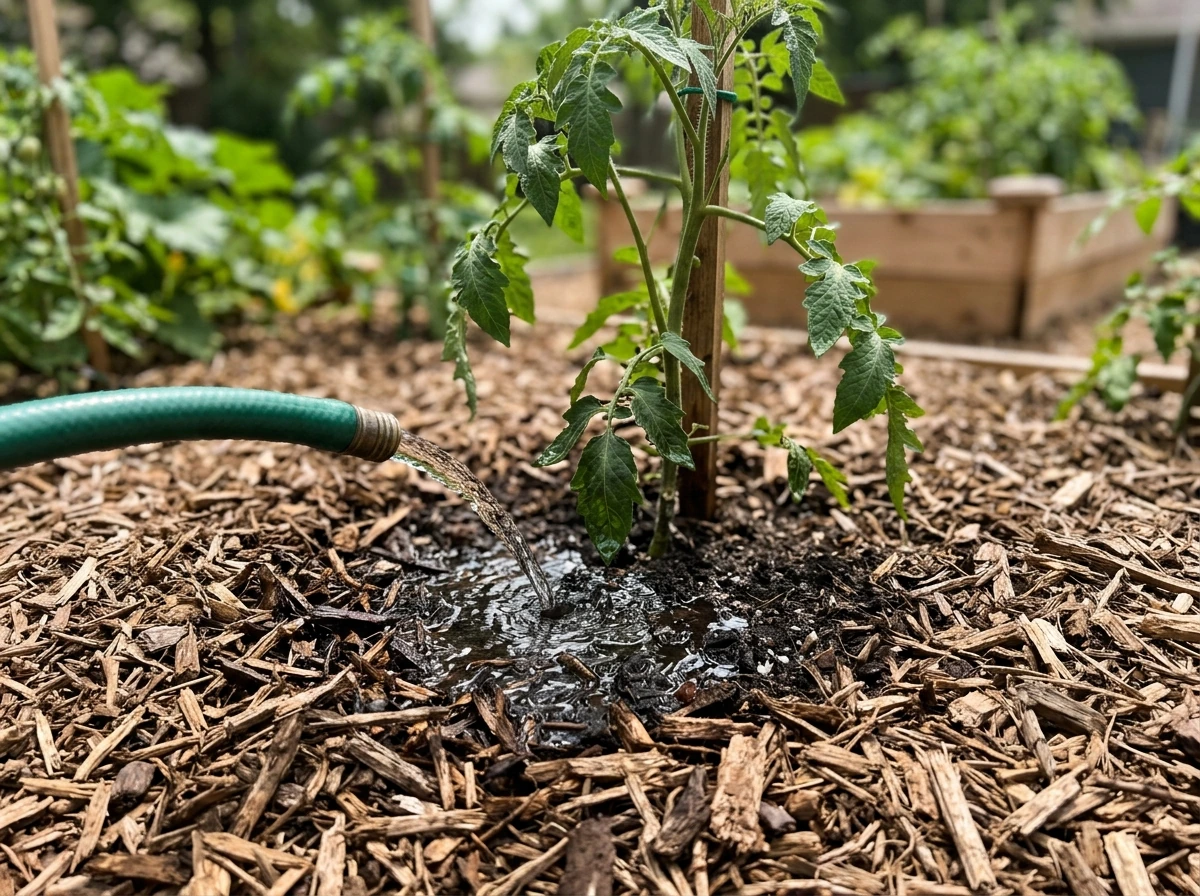
The average vegetable garden needs about 1 inch of water per week, and in hot stretches you'll need to supplement if rain doesn't deliver that. If plants are wilting, water them right away: don't bank on a rain forecast for tomorrow. Drip irrigation is the most efficient method for summer because it delivers water directly to the root zone with minimal evaporation loss. If you're hand-watering, the best trigger is sticking your finger 2 to 4 inches into the soil. If it's dry at that depth, water. For container gardens specifically, water until you see it drip from the drainage hole at the bottom, every time.
Mulch and soil
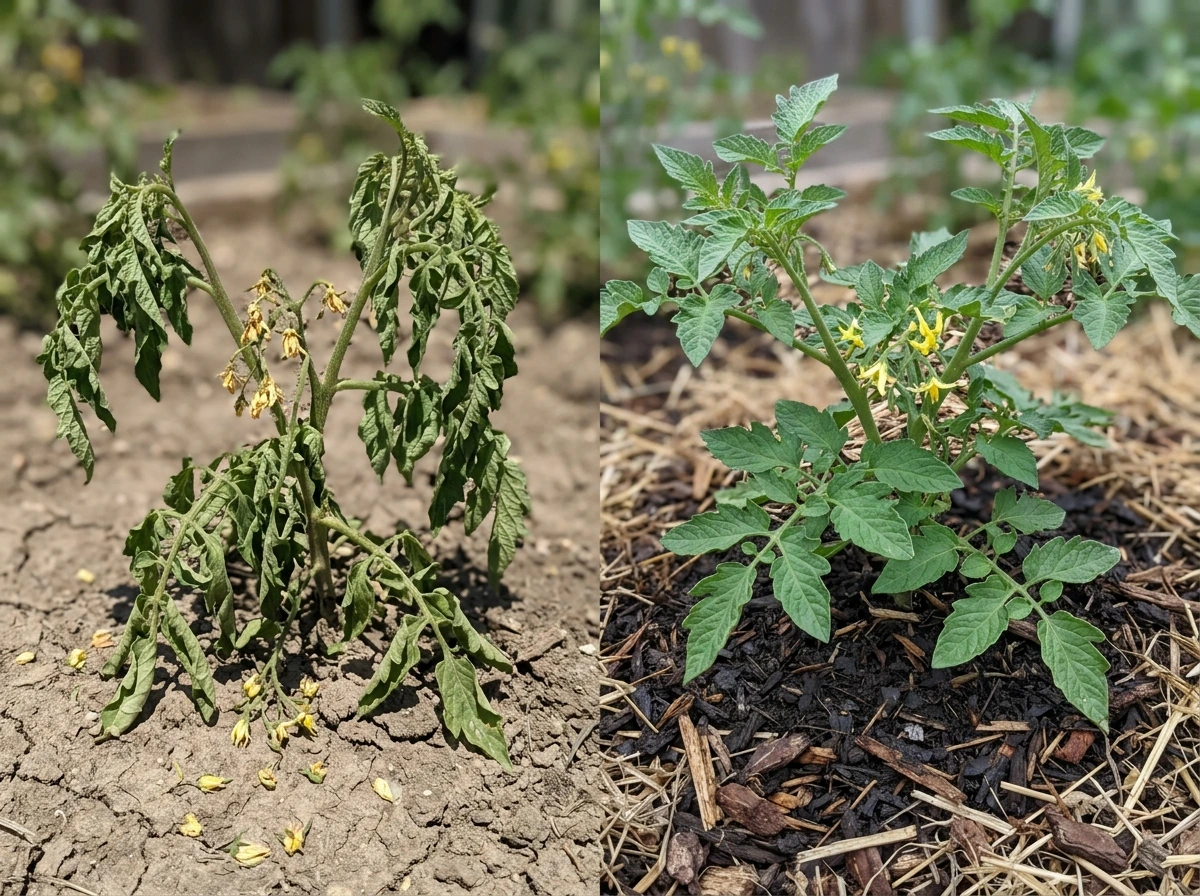
Organic mulch is one of the highest-leverage things you can do in a summer garden. Apply it at least 2 to 3 inches deep around your plants. It holds moisture in the soil, keeps root temperatures lower, and suppresses weeds. For drought-prone areas, use the thicker end of that range and go with larger-particle mulch like wood chips. Never use garden soil in containers: it compacts, drains poorly, and can carry diseases. Use a quality potting mix and start fertilizing with a water-soluble fertilizer at one-quarter strength with each watering, beginning 2 to 4 weeks after planting.
Heat stress
Heat stress shows up as wilting, flower drop, or fruit that won't set. For tomatoes, this often happens when temperatures stay consistently above 90°F. The main fix is consistent moisture and mulch to buffer soil temperatures. Reflective mulches (silver plastic mulch) can be worth the effort for high-value crops in very hot climates: you cut planting holes 3 to 4 inches in diameter and plant through them, which helps manage soil temperature and even interferes with some pest pressure. Smaller transplants (from 6-packs or 4-inch pots rather than big gallon containers) actually establish faster in hot conditions, which can reduce transplant shock.
Pest management
Summer pest pressure peaks in midsummer, so start scouting early. The main culprits in summer vegetable gardens are cucumber beetles (watch for them on any cucurbit, with about 1 beetle per plant being the action threshold for cucumbers and melons), squash bugs (females start laying eggs in early June and continue through midsummer), and tomato hornworms (most common in midsummer with a possible late-summer population bump). Aphids are actually somewhat self-limiting in summer heat: they can disappear by midsummer as temperatures rise. Pepper powdery mildew is a late-summer risk when temperatures are in the 64 to 91°F range, and it can be severe enough to defoliate plants and expose fruit to sunburn. Catch it early and remove infected leaves.
Container vs. in-ground: which is better for summer growing
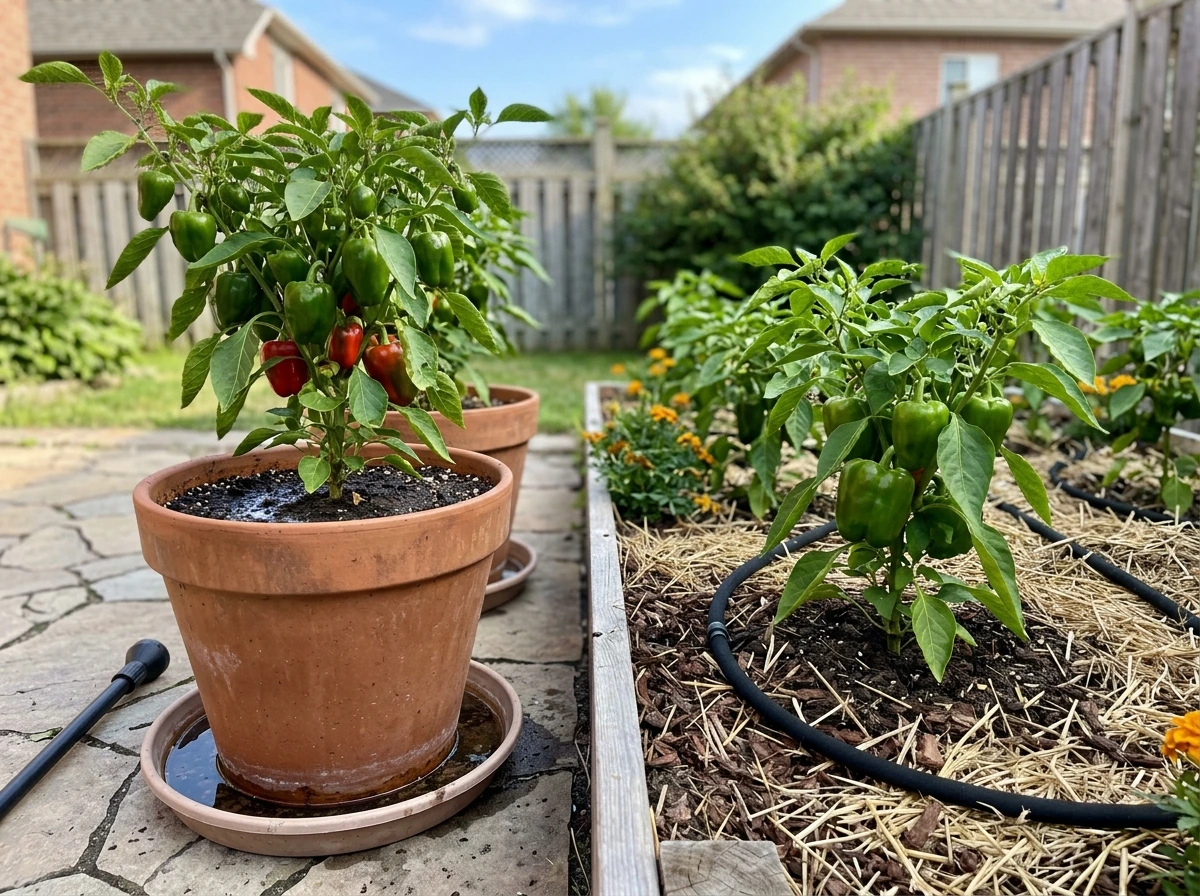
Both work well in summer, but they have real differences you need to plan around. In-ground beds have better moisture retention, more stable root temperatures, and more room for vining crops like squash and cucumbers. Containers are more flexible (move them to better sun or shelter from extreme heat), easier to manage for pests and weeds, and ideal for patios or balconies. The trade-off in containers is that roots experience stronger temperature swings, and in midsummer heat, container roots can get hot enough to cause wilting even when the soil looks moist. That's not overwatering or underwatering, it's root heat stress.
| Factor | In-Ground | Containers |
|---|---|---|
| Root temperature stability | More stable | More vulnerable to heat swings |
| Watering frequency | Less frequent | More frequent; daily in peak summer |
| Soil type | Amend native soil | Use quality potting mix only, not garden soil |
| Best crops | Tomatoes, squash, melons, beans, corn | Peppers, herbs, lettuce (shaded), cucumbers, compact tomatoes |
| Fertilizing | Compost + seasonal feed | Water-soluble fertilizer at 1/4 strength every watering from week 2-4 on |
| Drainage | Natural; improve with organic matter | Critical; always water until it drains from the bottom |
| Flexibility | Fixed location | Moveable; can reposition for shade or shelter |
For containers in summer, choose pots with proper drainage holes, use a moisture-retentive potting mix, and position them so they get afternoon shade if your summers are brutal. Light-colored pots absorb less heat than dark ones, which makes a real difference for root health. Start watering containers until water runs from the drainage hole every time, and don't skip days during heat waves.
Best picks for beginners and how to get results fast
If you're new to summer gardening or just want wins without a lot of fuss, focus on plants that are fast, forgiving, and hard to kill in warm conditions. These are not consolation prizes: they're genuinely excellent plants that experienced gardeners grow every year because they're reliable.
- Zucchini or summer squash: direct sow, grows fast (45–60 days), produces heavily, and is almost impossible to fail with in warm weather. One plant per person is usually enough.
- Bush beans: direct sow every 3 weeks for a rolling harvest. Ready in 45–65 days, minimal care, and satisfying to grow.
- Basil: sow seeds or buy a small transplant. Ready to harvest in 30–60 days. Pinch off flowers to keep it producing all summer.
- Marigolds: direct sow after soil hits 65°F. Full sun, almost zero maintenance, blooms all summer, and helps deter pests near the vegetable garden.
- Okra: once your soil is warm (70°F+), okra is almost set-it-and-forget-it. It loves heat, grows fast, and produces continuously. Harvest pods every few days once they start coming.
- Cucumbers: fast (50–65 days), can grow vertically on a trellis to save space, and productive enough to share with neighbors.
- Radishes: the fastest edible you can grow, ready in as little as 30 days. Sow them in gaps between slower crops as a quick fill-in.
For the absolute fastest path to a harvest this summer: sow basil, radishes, and bush beans from seed right now. Pick up a pepper or tomato transplant from a nursery rather than starting from seed (it saves you 6 to 8 weeks). Choose a 6-pack or 4-inch pot transplant rather than a big gallon size if you're planting in warm conditions since smaller transplants establish faster. Water consistently, mulch around everything, and you'll be harvesting in 4 to 8 weeks depending on what you planted. For more detail on timing your plantings within the season, the guides on best plants to grow in June and plants to grow from seed in May are good next reads.
The biggest beginner mistake in summer gardening is trying to grow too many things at once and spreading effort too thin. Pick three to five crops, give them good soil, consistent water, and a bit of mulch, and they'll perform. Summer growing doesn't have to be complicated: it just has to be matched to the season.
FAQ
What plants to grow in summer if my yard gets less than 6 hours of direct sun?
If you do not have true full sun, prioritize heat-tolerant leafy herbs (parsley, chives) and choose flowers that handle lighter light, like nasturtiums. For fruiting vegetables, expect lower yields, so either grow them in the sunniest micro-spot (near a reflective wall) or switch to container growing where you can move plants to the brightest location during peak heat.
Can I grow lettuce and spinach in summer if I use shade cloth?
Shade can slow bolting, but it usually cannot fully overcome summer day length and heat. Lettuce and spinach are still likely to turn bitter or bolt, especially once nights stay warm. For best results, treat them as spring or fall crops, or plant true heat-friendly greens instead (for example, mustard greens for shorter windows).
How do I decide between planting from seed vs buying transplants in summer?
For warm-season crops, transplants help when heat arrives quickly or your days are already hot, because they skip several weeks of early growth. In contrast, direct seeding works well for crops that tolerate warm soil (beans, radishes, cucumbers, okra once temperatures are high). A practical rule, if you are behind schedule, buy transplants for tomatoes and peppers, and seed quick crops that mature fast.
What should I do if my tomatoes stop setting fruit during the hottest weeks?
When temperatures stay consistently above about 90°F, flowering and fruit set often stall even if the plant looks healthy. Keep soil evenly moist, mulch to buffer root heat, and avoid letting plants dry out between waterings. Also consider selecting varieties known for heat set, and aim to have transplants established so they start flowering before the peak heat stretch.
When is the right time to plant okra in summer?
Okra is best after nights are reliably warm, because it needs warm soil to launch growth. Direct sow when soil is near the 70°F range, and do not rush if you are still getting cool nights. In very hot climates it tends to keep producing, so you can also succession-sow to extend harvest.
How often should I water summer crops to prevent wilting and blossom or fruit drop?
Most vegetable gardens do best with about 1 inch of water per week, but heat waves and wind can increase demand. Use a quick soil check, if the soil 2 to 4 inches down is dry, water then rather than waiting for a forecast. Mulch helps, but it is not a substitute for consistent moisture when temperatures spike.
Do containers need watering more than in-ground beds in summer?
Usually yes, and sometimes much more, because container roots experience stronger temperature swings. Water until it runs from the drainage hole, not just until the top looks damp, and do not skip days during heat waves. For brutal summers, use light-colored pots and aim for afternoon shade to reduce root heat stress.
Why do my plants wilt even though the soil looks moist in containers?
That is often root heat stress rather than a watering problem, especially during midsummer when potting mix can overheat. Move containers to a shadier spot, use reflective surfaces if available, and consider adding a thicker mulch layer at the soil surface to cool the root zone.
What summer pests should I watch for first, and when?
Scout early because the most damaging pests are time-dependent. In particular, squash bugs lay eggs starting in early June into midsummer, cucumber beetles show up on cucurbits, and tomato hornworms are most common in midsummer. Start checking leaves and stems regularly instead of waiting for noticeable damage.
How can I reduce powdery mildew risk on pepper plants?
Pepper powdery mildew tends to surge when temperatures fall roughly in the mid-60s to low-90s range. Preventive steps include spacing plants for airflow, removing infected leaves early, and catching symptoms before the disease spreads to multiple canopy layers. Once it is severe enough to expose fruit to sunburn, you may need to act quickly.
What is the best way to plan a midsummer planting for a fall harvest?
Use fast-maturing crops and count backward from your first expected frost. For example, radishes and mustard greens can mature in about a month, bush beans take longer, and kale or Swiss chard need a larger window so they can handle the cooler transition. If you plant too late, heat stress may not let them establish enough to mature before cold weather.
What is a simple starter plan if I want quick wins without overthinking?
Pick three to five crops and keep them manageable: basil, radishes, and bush beans from seed are a reliable fast route, then add one or two warm-season fruiting plants as transplants (tomato or pepper). Pair with consistent watering and mulch, and focus on one watering method (like drip) so you do not get overwhelmed during hot stretches.
Next Article
Plants to Grow From Seed in May: What to Sow by Zone
Zone-based May sowing list for vegetables, herbs, flowers, pollinators, plus spacing, watering, and hardening-off tips.