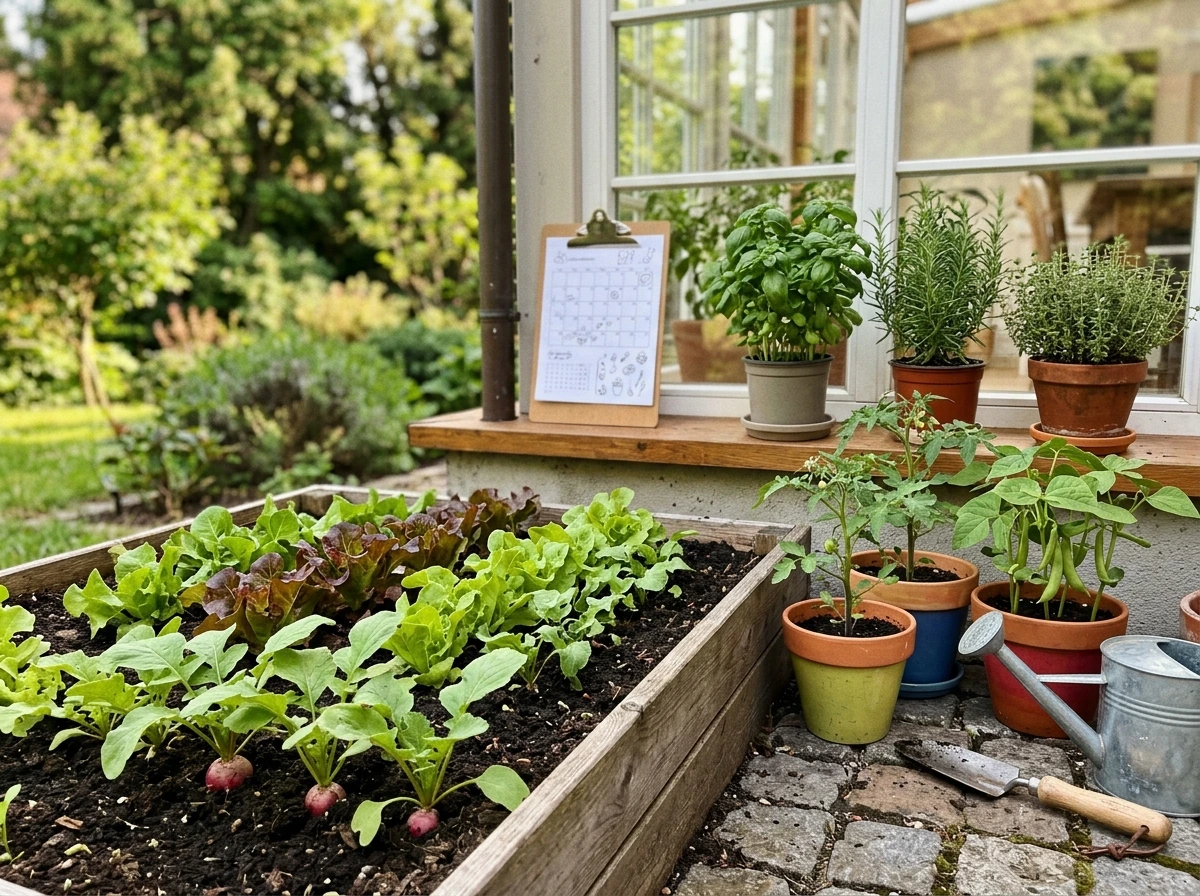
August is one of the most underestimated planting months in the calendar. Most gardeners think the season is winding down, but if you play it right, August is actually the start of a whole second act. The key is understanding what you're working with: hot soil, shortening days, and a frost date that's closer than it feels. Once you know those three things, picking the right plants becomes a lot more straightforward.
What Plants to Grow in August: Best Picks by Climate
Rachel Hartley
24 Mar 2026
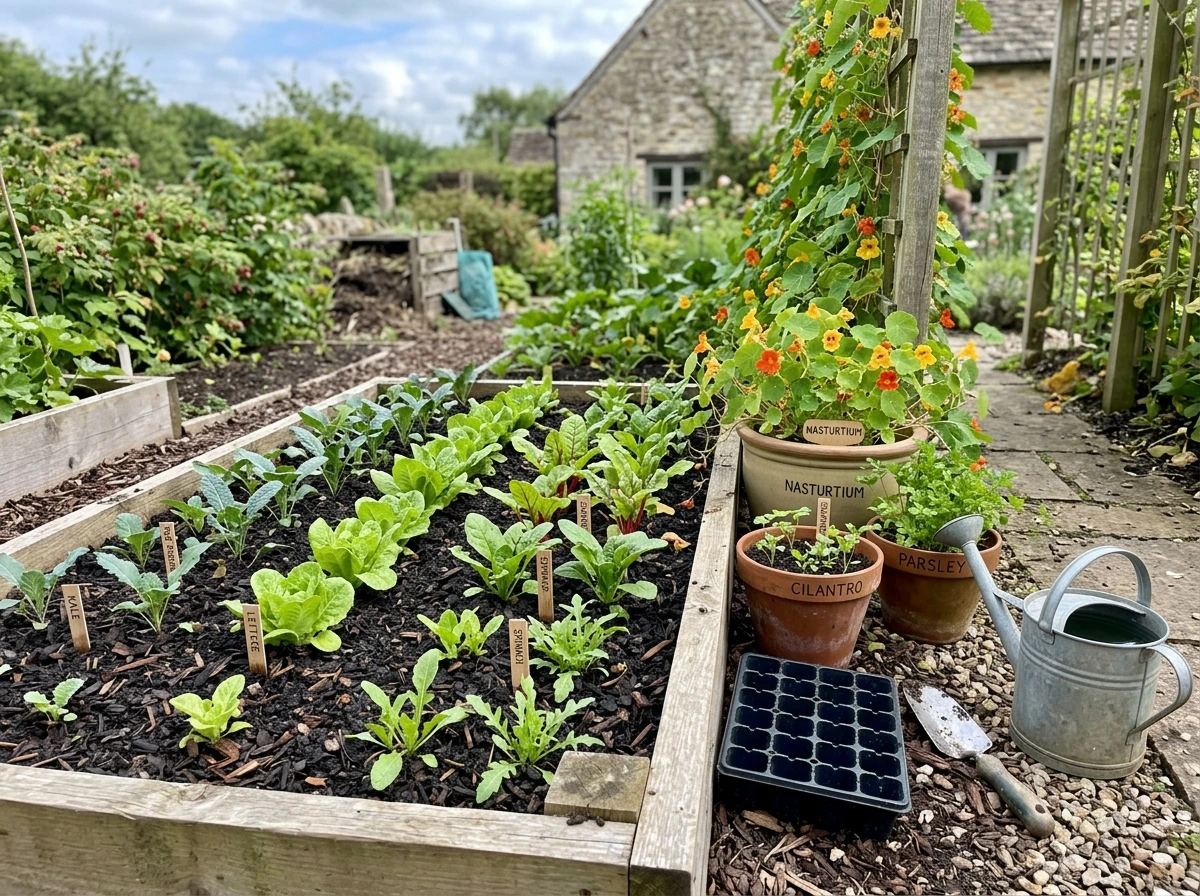
Quick August Planting Rules
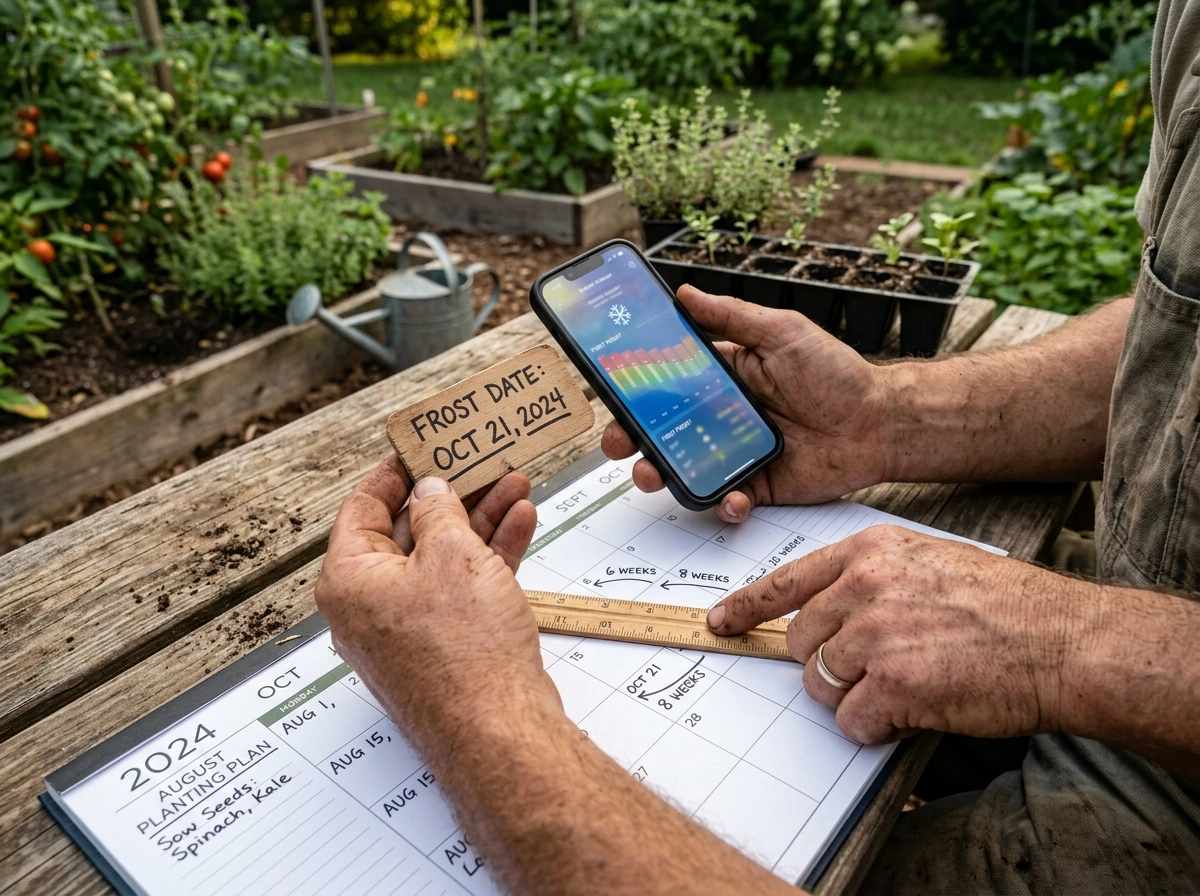
Before you pick a single plant, get your first fall frost date locked in. Everything in August planting works backward from that number. If you don't know yours, look it up by zip code or postal code before doing anything else. Once you have it, you can calculate how many weeks you have left to grow.
Here's how August typically breaks down depending on where you live. In most of the Northern Hemisphere, August still delivers summer heat, but day length is already dropping noticeably compared to June. Soil stays warm (often above 70°F), which is great for germinating warm-season crops but can actually inhibit cool-season seeds like lettuce and spinach if soil temps push past 80°F. That's the August paradox: it's the perfect time to start fall crops, but sometimes too hot to do it successfully without a little shade or strategic timing.
- Count weeks back from your first frost date to figure out what still has time to mature.
- Assume your frost date could be off by 2 to 3 weeks in either direction, so don't cut it too close.
- Soil temps above 80°F will slow or block germination for cool-season crops. Water the bed before sowing to cool the soil.
- Day length in August (roughly 13 to 14 hours) still supports most warm-season crops but is already signaling some annuals to flower and set seed.
- Heat stress is a bigger risk than frost in most of August, so shade cloth and consistent watering matter more than frost protection right now.
The phrase you'll hear from extension services is 'drop dead planting date,' meaning the last possible day to sow a given crop and still get a harvest before frost. University of Nebraska-Lincoln Extension recommends counting back from your first expected fall frost date using the days-to-maturity on your seed packet. Add about a week for germination and another week or two as a buffer. That's your real planting deadline.
Best Plants to Grow in August
The best plants for August depend on whether you're planting for a fall harvest or extending summer production. Generally, cool-season crops planted now will give you a fall harvest, while warm-season crops started in early August (in warm climates) will keep producing until frost. Here's what works by category.
Vegetables
Cool-season vegetables are the stars of August planting. Leafy greens like lettuce, spinach, arugula, and kale can all be direct-sown in August for fall harvests. Root vegetables including radishes, turnips, and beets also do well, with turnips fitting comfortably in a window of up to 9 weeks before first fall frost, according to University of Arizona Extension guidelines. Bush beans are worth a shot in early August if you have at least 8 to 10 weeks before frost. In warm-climate regions, a second planting of cucumbers or summer squash in early August can still work if your frost isn't until November or later.
- Lettuce (all types): sow direct, germinates in 7 to 10 days, harvest in 45 to 60 days
- Spinach: direct sow, matures in 40 to 50 days, loves cooling temps
- Kale: start seeds or transplant, very frost-hardy and actually sweeter after a frost
- Radishes: fastest option at 25 to 30 days, perfect for impatient gardeners
- Beets: sow direct, harvest roots and greens, 50 to 70 days
- Turnips: direct sow, 45 to 60 days, reliable fall crop
- Bush beans: early August only in most climates, 50 to 60 days to harvest
- Swiss chard: tolerates heat and cold, keeps producing through light frost
Herbs
August is an excellent time to establish perennial herbs before the growing season ends. Cilantro is especially well-suited to August because it actually prefers cooler weather and will bolt quickly in peak summer heat. Sowing it now means you get a proper harvest instead of watching it go to seed. Parsley, dill, and chervil can also be direct-sown. For perennial herbs like thyme, rosemary, sage, and oregano, August is a great time to plant from transplants or cuttings so they get established before winter.
- Cilantro: direct sow now, thrives in cooling temps, harvest in 3 to 4 weeks
- Parsley: slow to germinate but worth starting now for a fall supply
- Dill: fast-growing, direct sow, great for pickling your late-season cucumbers
- Chives: easy from seed or division, perennial in most zones
- Thyme, oregano, rosemary, sage: plant from transplants in August for establishment before winter
Flowers
For flowers, August is about two things: quick-blooming annuals that will carry color through fall, and perennials you're establishing now for next year. Nasturtiums are among the best August choices because they germinate fast, thrive in poorer soil, handle some heat, and the flowers are edible. Pansies and violas can be started from seed in August in cooler climates or purchased as transplants for fall containers. Marigolds sown in early August may still give you a flush of fall blooms. For a longer-term payoff, sow perennial seeds like echinacea, black-eyed Susan, and coneflower now. They may not bloom this year but will be well-established for strong flowering next spring.
- Nasturtiums: quick, easy, edible, great in containers and garden beds
- Marigolds: plant early in August to catch some fall bloom
- Pansies and violas: perfect for fall color, handle light frost easily
- Calendula: cool-season flower that blooms beautifully in fall temps
- Echinacea (coneflower): sow seed now for establishment; blooms next year
- Black-eyed Susan: perennial, sow in August for next season
Plants for Containers, Indoors, and Small Spaces
August is genuinely great for container gardening because you have full control over soil temperature, drainage, and placement. If the garden bed is too hot, move the container into morning sun and afternoon shade. That flexibility is a real advantage this time of year.
Container size matters more than most people realize. NC State Extension is clear that shallow-rooted crops like lettuce and radishes need at least 6 to 8 inches of potting mix depth. Carrots need closer to 10 to 12 inches. For fruiting vegetables like peppers, you want at least a 2-gallon container, and tomatoes need a minimum of 5 gallons. University of Illinois Extension pushes those numbers a bit: they recommend containers over 20 inches for tomatoes and over 16 inches for peppers to give roots proper room. If your container is undersized, the plant will underperform regardless of how well you water or fertilize.
| Crop | Minimum Pot Depth | Minimum Pot Size | Notes |
|---|---|---|---|
| Lettuce, radishes | 6–8 inches | Any wide shallow container | Great for window boxes |
| Carrots | 10–12 inches | 12+ inch depth required | Use a deep pot or grow bag |
| Herbs (most) | 6–8 inches | 1-gallon or larger | Cilantro, parsley, basil all work |
| Peppers | 16+ inches | 2-gallon minimum | 5-gallon preferred for best yield |
| Tomatoes | 20+ inches | 5-gallon minimum | Bigger is always better here |
| Kale, chard | 8–10 inches | 2-gallon or larger | Productive in containers through frost |
For indoor and apartment growers, the August focus should be on herbs and leafy greens that tolerate lower light. A sunny south-facing windowsill can support basil, parsley, chives, and lettuce through the fall. If you have a grow light, add spinach and arugula to that list. MSU Extension highlights parsley, sage, thyme, oregano, and rosemary as reliable container herbs for this time of year, and all of them transition indoors well before the first frost.
Region-Based Picks: Cooler vs Warmer Climates
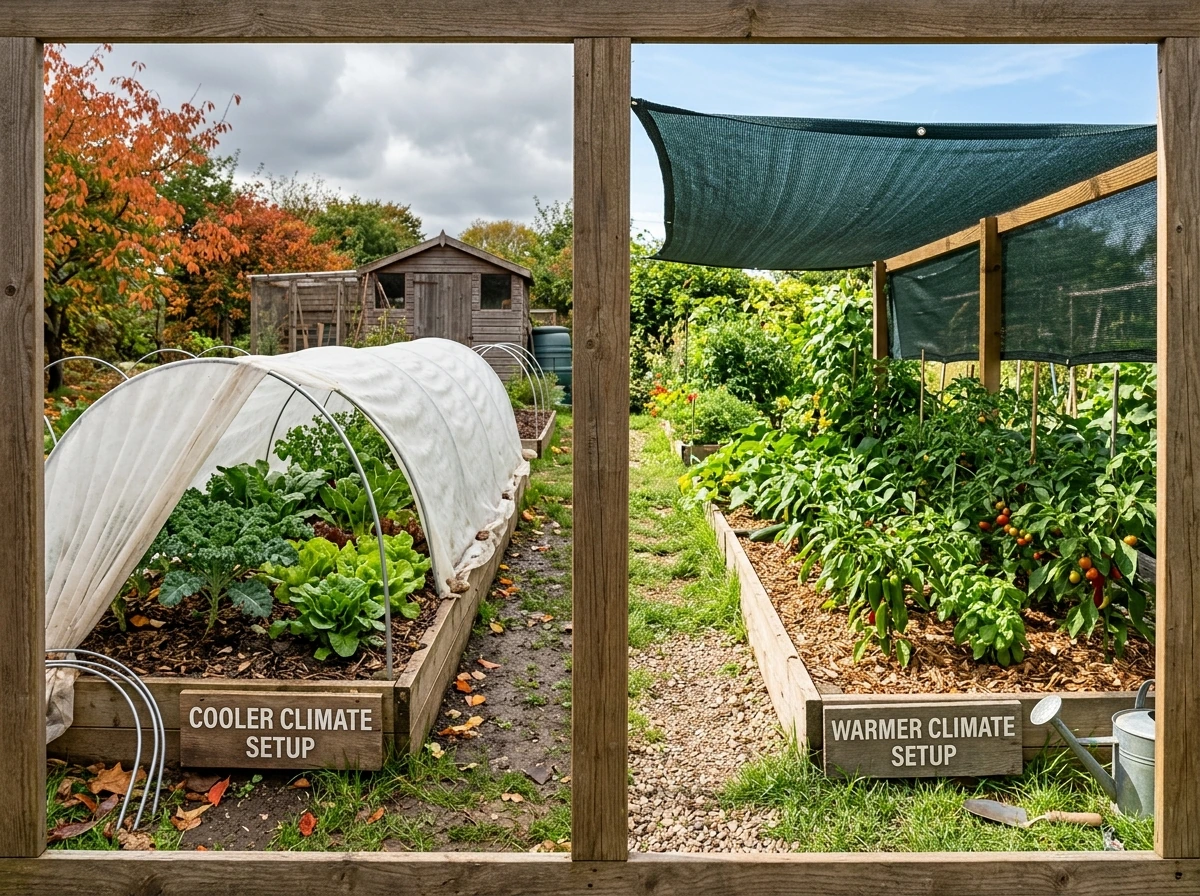
Where you live changes almost everything about what August planting looks like. A gardener in Minnesota and a gardener in Arizona are essentially playing two completely different games in the same month.
Cool Climates (first frost in September to mid-October)
If your first frost arrives in September or early October, August is urgent. You're working with 4 to 8 weeks depending on your specific date, which rules out most long-season crops. Stick to fast-maturing varieties, like radishes (25 days), arugula and salad greens (30 to 40 days), baby spinach (30 to 35 days), and quick turnips. Bush beans are a stretch but possible in early August if you have 8 weeks or more. Kale is your best bet for a hearty fall crop because it handles frost and keeps producing. Don't start any seeds after mid-August unless you're planning to grow under row covers or inside.
Moderate Climates (first frost in late October to November)
This is the sweet spot for August planting. You have 10 to 14 weeks of growing time, which opens up almost the full cool-season vegetable list. Broccoli, cauliflower, and cabbage can be transplanted in early to mid-August for fall harvests. Beets, carrots, and turnips can be direct-sown. You can also keep warm-season crops like peppers and eggplant going and potentially squeeze out a late-season cucumber planting. Cornell Cooperative Extension's planting guidance for this type of climate groups crops like spinach and lettuce in an 8 to 10 weeks before first frost window, which lands squarely in August.
Warm Climates (first frost in December or later, or no frost)
In warm climates like the Gulf Coast, much of Texas, Southern California, Arizona, and Hawaii, August operates almost in reverse. It's often too hot for cool-season crops to germinate properly, so many warm-climate gardeners wait until late August or September to start their fall vegetable garden. Focus August on maintaining existing warm-season crops (tomatoes, peppers, eggplant) and preparing beds. In coastal Southern California or similar Mediterranean climates, August is ideal for starting brassicas like broccoli and cabbage from transplants. In true subtropical climates, herbs like basil and lemongrass thrive all month long.
What to Sow vs Transplant vs Take Cuttings
The method you use to plant in August matters as much as what you plant. Time is compressed, so matching the right technique to the right crop can mean the difference between a real harvest and a half-grown plant that gets frosted out.
Direct Sow from Seed
Direct sowing works best for crops that don't like their roots disturbed, mature quickly, or are cheap enough to sow thickly and thin out. Radishes, carrots, beets, turnips, arugula, spinach, lettuce, dill, and cilantro all fall into this category. Sow them straight into prepared beds or containers. The main August challenge with direct sowing is keeping the seed bed moist when it's hot, since the top inch of soil dries out fast. A layer of light mulch or a piece of burlap over freshly sown beds can hold moisture until germination.
Transplant Seedlings
Transplanting gives you a head start that's often critical in August. Crops like broccoli, cauliflower, cabbage, kale, and celery are commonly transplanted in August because starting from seed would push harvest past the first frost in many climates. Penn State Extension recommends transplanting these cool-season crops outdoors roughly 1 to 2 weeks before your calculated 'drop dead' planting date to give them transition time. Buy transplants from a local nursery or start them indoors 4 to 6 weeks ahead of your planned outdoor date. Herbs like rosemary, thyme, and sage also do much better transplanted than grown from seed in August because they're slow germinators.
Cuttings
August is an underrated time to propagate from cuttings, especially for perennial herbs and some flowers. Rosemary, sage, thyme, mint, and lavender all root reliably from 4 to 6 inch stem cuttings taken in late summer. Strip the lower leaves, dip in rooting hormone if you have it (it's not strictly necessary for mint or rosemary), and stick into moist potting mix. Keep them shaded and humid for a couple of weeks while roots develop. These new plants can be potted up and brought indoors before frost, giving you a continuous supply through winter.
How to Make Your August Plants Actually Succeed
Getting the plant in the ground is only step one. August has specific care demands that differ from the rest of the growing season, and ignoring them is how you lose plants that should have made it.
Watering
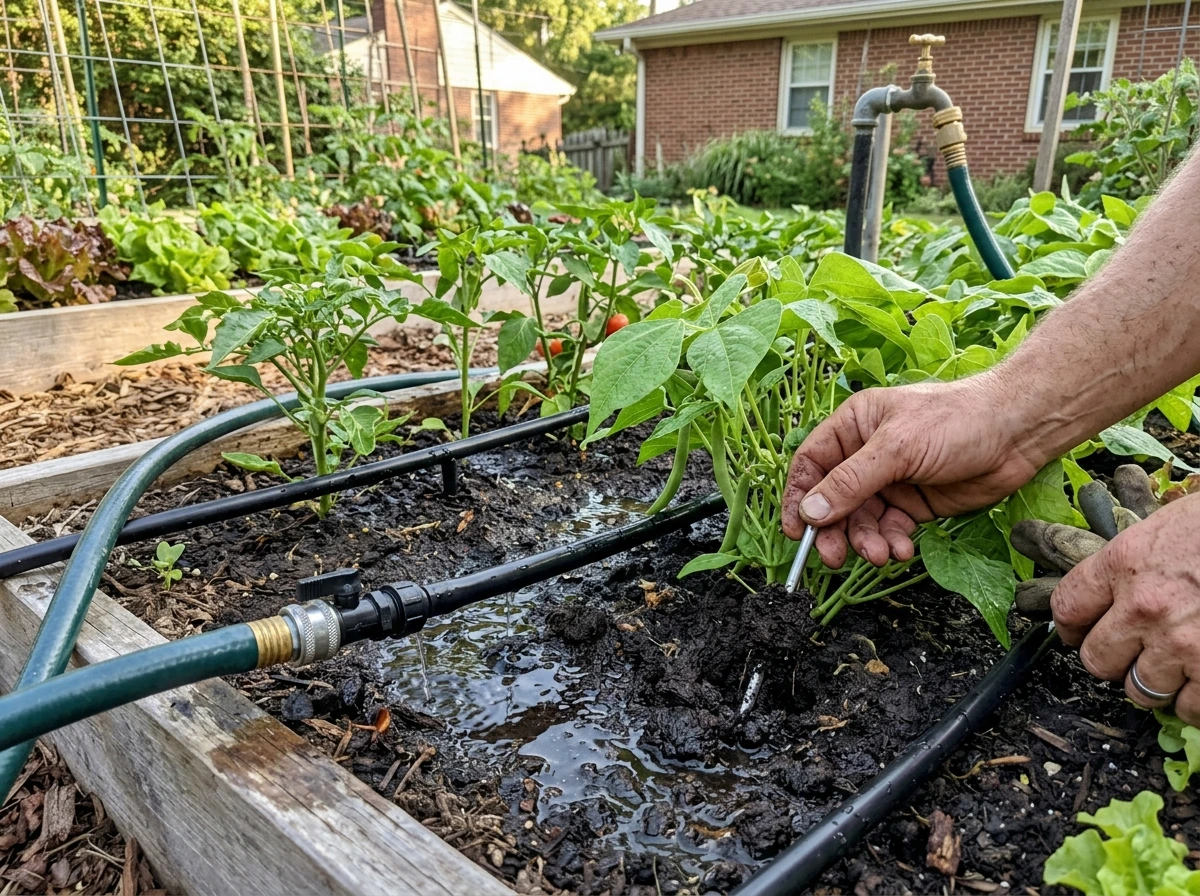
The baseline for most vegetable gardens is about 1 inch of water per week, but August heat and wind can push that need higher. UMN Extension is clear that hot, dry stretches require irrigation to prevent heat and drought stress, and that wilting plants should be watered promptly rather than left to recover on their own. Morning watering is ideal because it gets moisture to the roots before the day's heat peaks and lets foliage dry off before evening, which reduces disease pressure. Mulching around plants (2 to 3 inches of straw or shredded leaves) makes a noticeable difference by retaining moisture and keeping soil temps more stable.
Soil and Fertilizing
For beds being replanted in August after a summer crop, work in a couple of inches of compost before sowing or transplanting. That's usually enough to give cool-season crops what they need without overdoing it. On fertilizing: be cautious with nitrogen in late summer. CSU Extension specifically warns against late-summer nitrogen applications because they encourage soft, lush new growth that's more vulnerable to powdery mildew and frost damage. If plants are heat-stressed or in drought, UMN Extension recommends holding off on fertilizer entirely until they've recovered and conditions have improved.
Spacing
Don't crowd fall plantings even if it's tempting to maximize yield in a small space. Poor air circulation in August and September creates conditions where fungal diseases like powdery mildew thrive. Give brassicas, squash, and cucumbers full recommended spacing. Leafy greens can be sown more densely and thinned as you harvest baby leaves, which is actually a great strategy for small spaces.
Common August Problems and How to Fix Them
Heat Stress
Heat stress shows up as wilting during the heat of the day, leaf scorch, blossom drop on fruiting plants, and poor germination. The fix is mostly preventive: water deeply in the morning, mulch the soil surface, and use shade cloth (30 to 50 percent shade) over newly seeded beds or transplants during the hottest part of the day. If established plants are wilting even when the soil is moist, they're stressed by heat, not thirst. Shade them temporarily and they'll usually recover by the next morning.
Bolting
Bolting, where a plant shoots up a flower stalk and stops producing usable leaves, is triggered by heat and long days. Lettuce, cilantro, spinach, and basil are the most common victims in August. The partial fix is timing: sow these in the second half of August when days are shorter and temperatures are starting to drop. Choose bolt-resistant varieties when you can. If cilantro bolts, let it go to seed and collect the coriander seeds for cooking or for sowing again in September.
Poor Germination
Soil that's above 80°F will cause erratic or failed germination for cool-season crops. Water the bed thoroughly the evening before sowing to cool the soil down. Sow in the late afternoon rather than midday. Cover seeds with a light mulch or shade cloth until they sprout. If germination still fails, check seed freshness: old seed has lower germination rates, and the heat makes this worse. Fresh seed of reliable varieties is worth the investment in August.
Whiteflies and Other Late-Season Pests
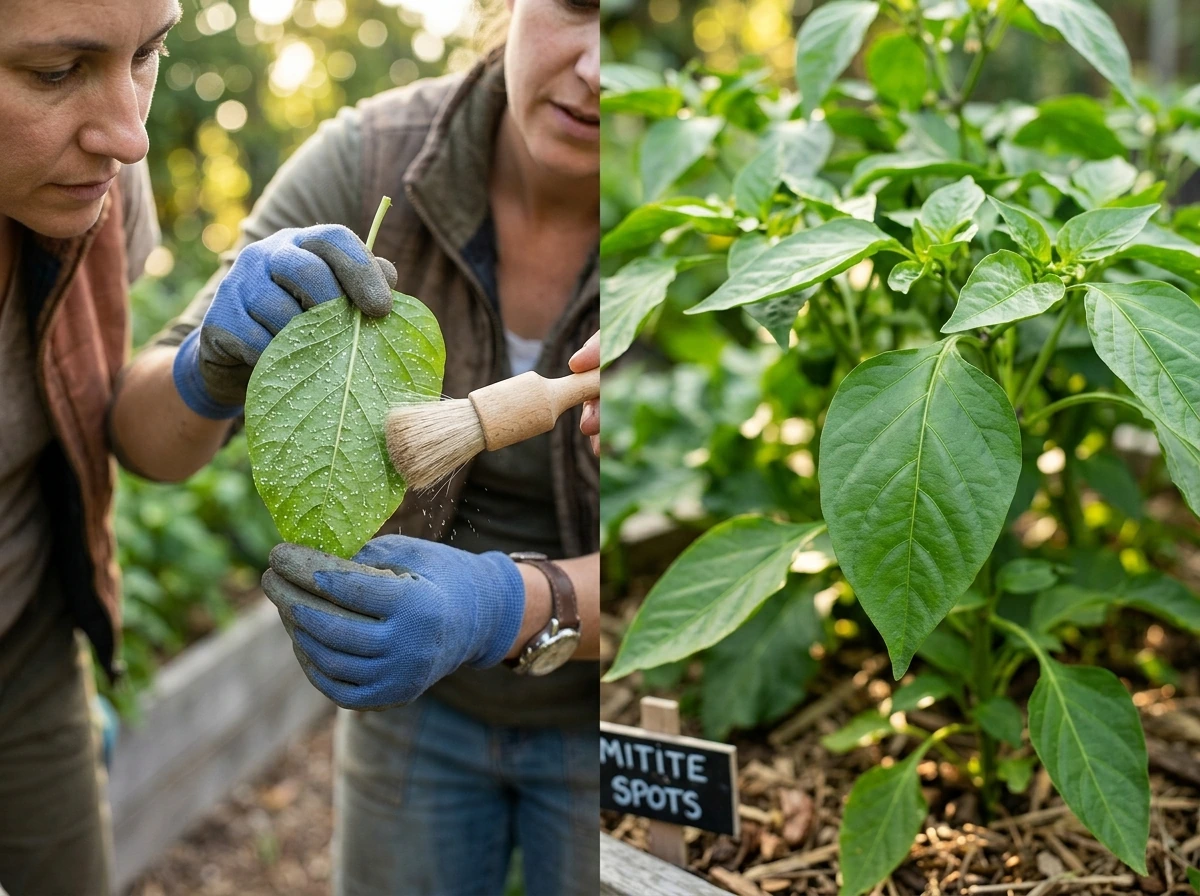
Whitefly populations tend to peak in late summer and can overwhelm plants quickly because their eggs hatch in just 7 to 10 days and multiple generations can overlap. Illinois Extension recommends insecticidal soap or summer horticultural oil as management options, with a caution to always check the label for harvest intervals on food crops. Catch infestations early by checking the undersides of leaves. Yellow sticky traps help monitor population levels. For aphids, a strong jet of water knocks most of them off and interrupts their feeding cycle.
Powdery Mildew
The white powdery coating on leaves shows up most aggressively in late summer when warm days combine with cool nights and high humidity. CSU Extension recommends avoiding overhead watering (use drip or water at the base), pruning affected leaves and disposing of them in the trash (not the compost), and ensuring good airflow between plants. Skip the nitrogen fertilizer if you're seeing mildew, since extra nitrogen promotes the soft new growth the fungus loves most.
Your August Action Plan
Here's how to put this all together into something you can actually do this week. First, pull up your first fall frost date. Then count back from that date and identify which crops still have time to mature. Pick two or three things from the vegetable list, one or two herbs, and optionally a flower or two. Match them to your method: direct sow the fast ones (radishes, arugula, spinach), transplant the brassicas if you can find starts at a nursery, and take cuttings of any perennial herbs you want to preserve through winter.
- Find your first fall frost date and write it down.
- Calculate how many weeks you have left to grow.
- Pick 2 to 3 vegetables from the August list that fit your timeline.
- Choose direct sowing for quick crops, transplants for brassicas, cuttings for perennial herbs.
- Prepare beds with compost, water deeply before sowing, and mulch after.
- Set a watering schedule (aim for 1 inch per week, more in heat waves).
- Check plants weekly for pests, bolting, and heat stress, and act early when you spot problems.
August gardening rewards people who plan a week or two ahead and move quickly. The window is real, the harvests are satisfying, and a fall garden often feels more personal than a summer one because fewer people bother with it. If you're curious about stretching the season even further once September arrives, the guides on late summer planting and general summer growing cover what comes next, including what plants to grow in summer in india.
FAQ
What if my first frost date is uncertain (or changes year to year), what should I do in August?
Use a “success window” instead of a single day, count from your first fall frost date to the crop’s days to maturity, then subtract 1 to 2 weeks for transplant shock or germination variability. If your math lands near the deadline, choose a faster variety or plan to protect plants with row cover so a light frost does not end the crop prematurely.
Why do my August plantings fail to germinate, even when I water?
For August, avoid starting seeds in dry, overheated soil. Water the bed the evening before, sow late afternoon, and keep the top inch consistently moist until germination, using a light mulch or shade cloth. If germination still fails, test one small packet in a container with fresh seed starting mix to confirm seed viability before re-sowing the whole bed.
Can I start cool-season crops in early August, or should I wait until later in the month?
You can sow in August, but you must match the crop to the day length and temperature trend. A practical approach is to start cool-season seeds in the second half of the month when temperatures begin dropping, and shift warm-season crops to early August only in climates with late frosts. When in doubt, choose bolt-resistant varieties for lettuce, cilantro, and spinach.
How should I adjust August planting if I’m using containers instead of beds?
Container crops are more forgiving than beds for heat control. Give cool-season greens morning sun and afternoon shade, and for germination use a slightly cooler location for the first week. Also, re-check drainage, containers dry faster in August and water stress can look like pest damage (yellowing, scorched edges).
When should I direct sow in August versus transplant?
Direct-sow crops that tolerate root disturbance, but in August transplanting often wins for plants that are slow to establish or sensitive to timing. A good rule is, if the crop’s harvest depends on a long early growth phase (like many brassicas), buy local starts or start indoors rather than gambling on seed timing near the frost window.
What should I do to re-plant beds in August after harvesting a summer crop?
Yes, but the crop rotation choice matters. After a heavy summer crop, add compost but avoid planting another heavy feeder of the same family immediately (for example, don’t follow tomatoes or peppers with eggplant close together). Also refresh mulch and watch moisture needs, since beds that ran hot all summer reheat quickly.
How can I tell if my August wilt is heat stress or drought stress?
If plants are wilting during peak heat but rebound later, it is often heat stress, not a lack of water. The fix is shade during the hottest hours (30 to 50 percent shade cloth), water deeply in the morning, and make sure mulch is actually in place around the root zone. Only increase watering “on a whim” after you confirm soil moisture is dry.
What’s the difference between problems from powdery mildew and problems from August heat, and what should I do first?
Powdery mildew and heat-related issues are common in late summer, but the response is different. For mildew, stop overhead watering, remove heavily infected leaves, prune to improve airflow, and avoid nitrogen that pushes soft growth. For heat stress, focus on shade and morning irrigation, then reassess after a day or two.
How do I prevent bolting in lettuce or cilantro when I plant in August?
If you want a harvest even when day temperatures are high, don’t rely on shade alone. Use shade cloth during germination, cool the soil by watering the evening before, and choose varieties labeled for bolt resistance or “slow to bolt.” For lettuce and spinach, sow in the second half of August to reduce bolting pressure.
Should I stagger plantings in August, or plant everything at once?
Plan for partial or staggered harvests. Sow leafy greens in 2 or 3 batches (about a week apart) so if one batch gets stressed, the next still produces. For roots like radishes and turnips, small repeat sowings help you hit harvest timing before frost.
What are the best ways to manage whiteflies and aphids in August without over-treating?
Most insect management in August is about early detection. Check leaf undersides weekly, use yellow sticky traps for monitoring, and spray with insecticidal soap or horticultural oil only when you see active pests and follow label directions for edible crops and timing. If you wait until infestations explode, treatments are less effective.
What’s a quick, practical checklist I can follow this week to decide what plants to grow in August?
For fall harvest planning, keep a simple checklist: note your first fall frost date, pick crops that mature within your calculated window, confirm whether you need seed or transplants, and schedule care tasks like morning watering and mulch refresh. Then decide in advance whether you’ll use row cover, because having it ready determines what “deadline” you can safely ignore.
Next Article
Plants That Are Fun to Grow: Easy Picks by Season
Season and space friendly plants that are fun to grow: easy picks, light and care, timelines, and quick troubleshooting.