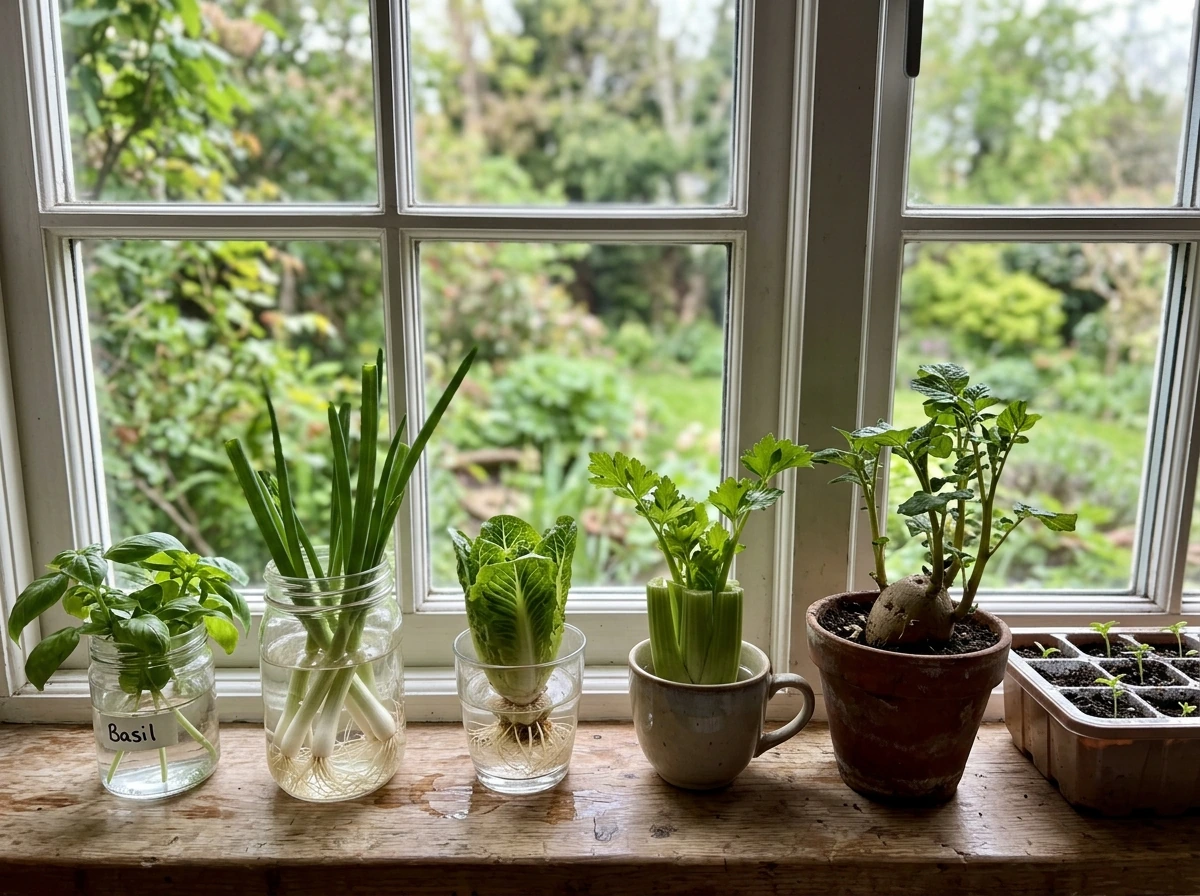
The best plants to grow are the ones you'll actually stick with, and that usually means plants that do something interesting fast, don't punish every mistake, and give you something back, whether that's food, a striking flower, or just the quiet satisfaction of watching something thrive. This guide is built around that idea: fun is practical. It's not about novelty for its own sake. It's about matching real plants to your real setup, right now, in late March 2026, with spring arriving across most of the Northern Hemisphere.
Plants That Are Fun to Grow: Easy Picks by Season
Rachel Hartley
24 Mar 2026
What actually makes a plant fun to grow
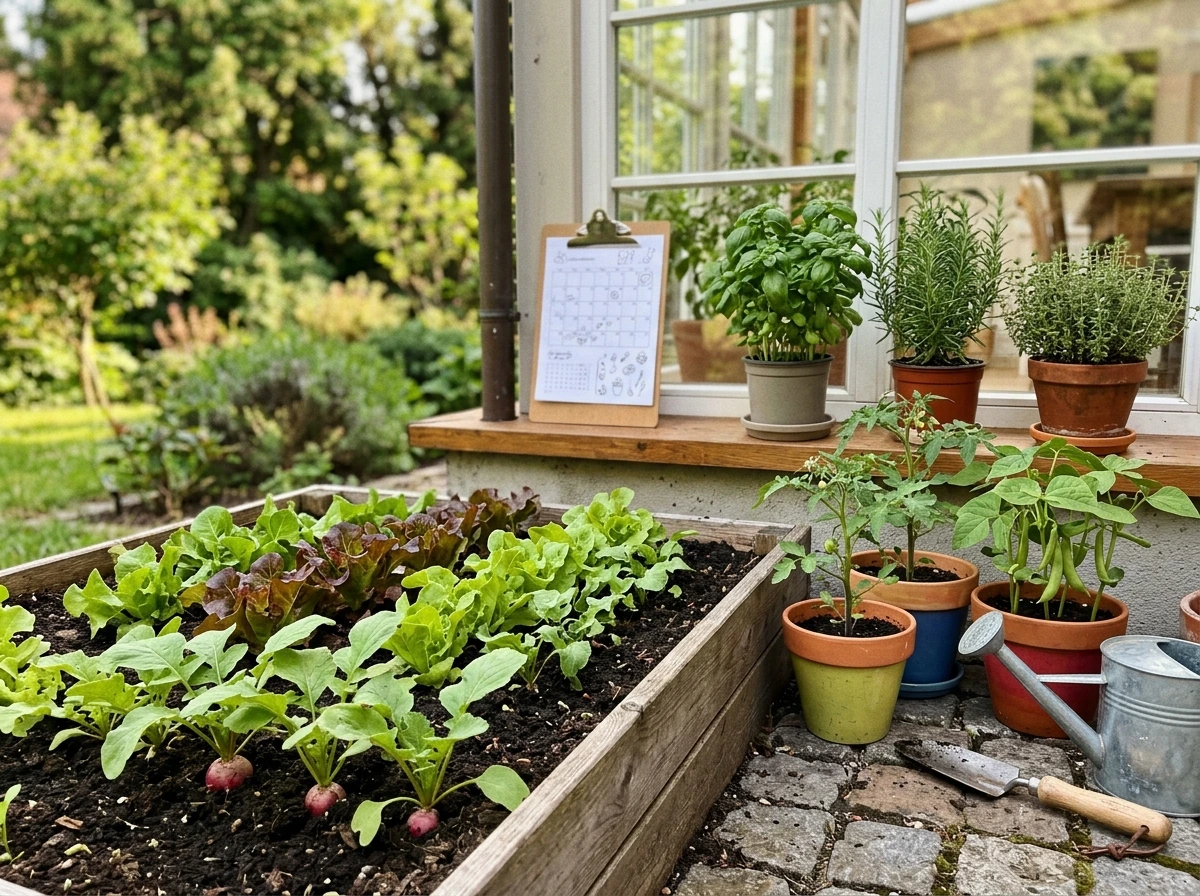
"Fun" means different things depending on who you ask, but it usually comes down to four qualities. First, there's speed: plants that show visible progress within days or weeks keep you engaged and teach you faster than slow-movers. Second, there's reward, meaning the plant gives you something tangible, a harvest, a bloom, a fragrance, or a conversation-starter. Third, there's forgiveness: plants that bounce back from underwatering, inconsistent light, or amateur mistakes are genuinely more enjoyable because you're not constantly anxious. Fourth, there's interaction: some plants invite you to do things, pinch them, train them, harvest them repeatedly, watch them change with the seasons. The plants in this guide score on at least two of those four. The best ones score on all of them.
Indoor containers vs. outdoor beds: pick your setup first
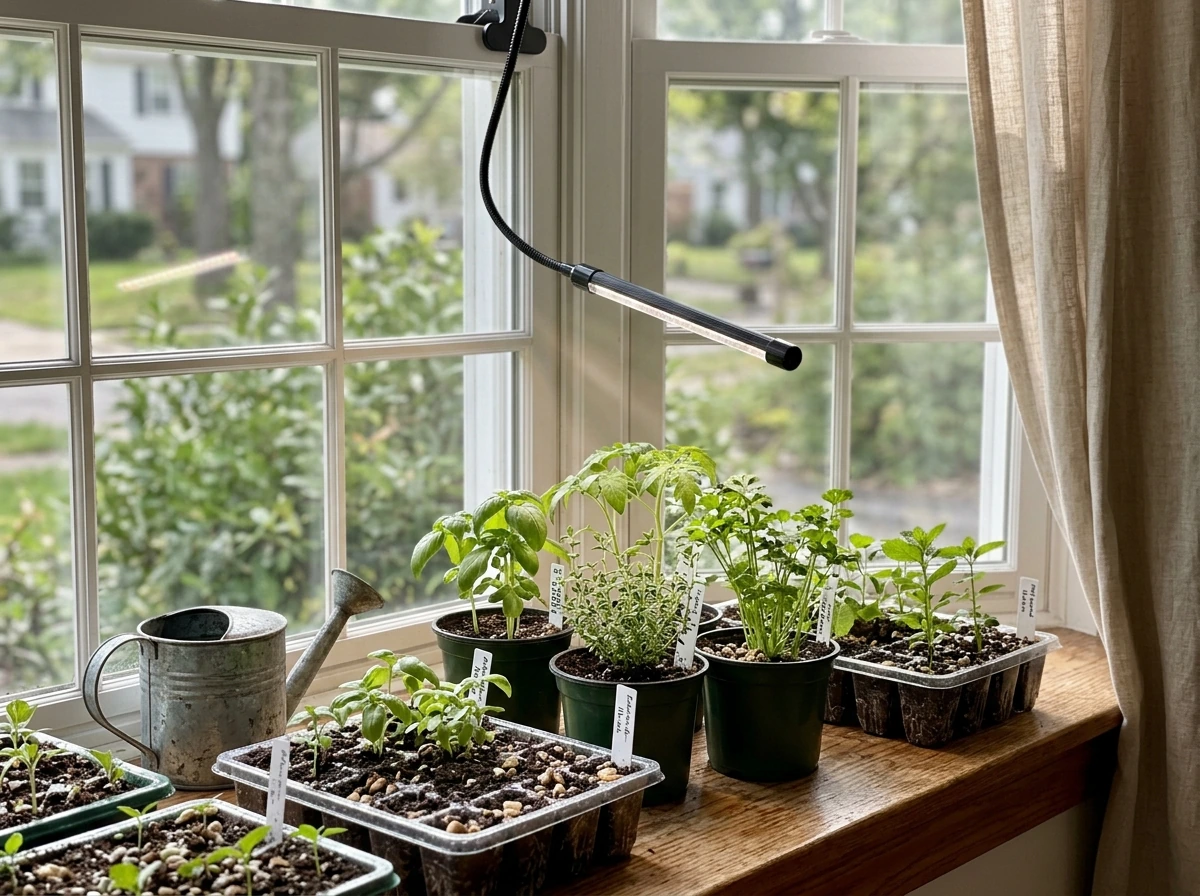
Before you pick a single plant, decide where you're actually growing. This one decision filters out probably 60% of your options right away and saves you a lot of frustration. Indoor containers and outdoor ground beds have almost nothing in common when it comes to light, watering, and soil needs.
Indoor containers (apartments, windowsills, grow lights)
Indoor growing lives and dies by your light situation. A south-facing window in late March gives you meaningful direct light, maybe 4 to 6 hours if you're lucky. East and west-facing windows give you 2 to 4 hours. North-facing windows are essentially useless for edible plants. If you're in that last camp, a small grow light changes everything and costs less than a dinner out. For soil, always use a soilless potting mix indoors. Penn State Extension is specific about this: look for mixes with sphagnum moss, perlite, vermiculite, or coconut coir as the main ingredients, and you can add finished compost up to 50% of the mix volume if you want more nutrients. Never use garden soil in containers; it compacts, drains poorly, and brings in pests. The best indoor fun plants for beginners are herbs, pothos and other trailing vines, and a few edibles that tolerate lower light like lettuce and green onions.
Outdoor beds and yard growing
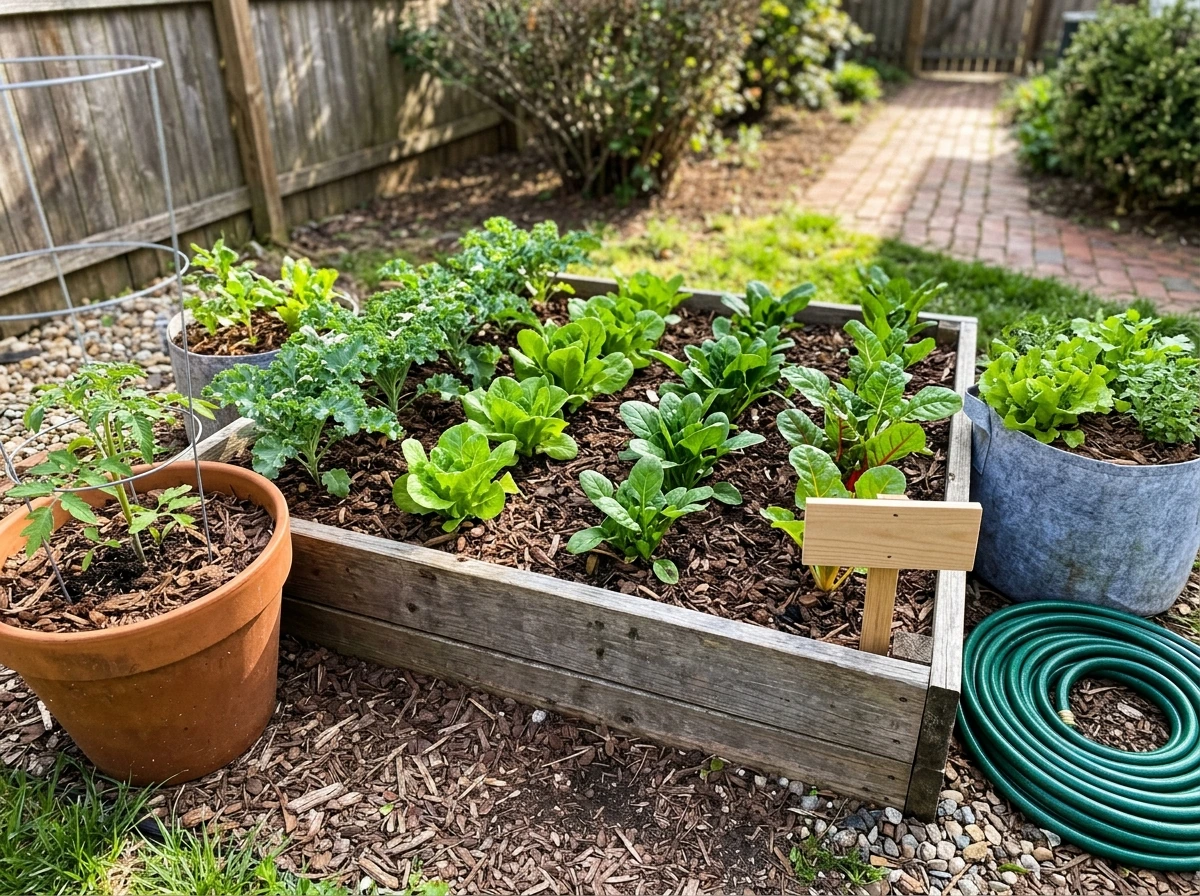
If you have outdoor space, even a 4x4 raised bed or a sunny patio with large containers, your options expand dramatically. UNH Extension sets a clear minimum for outdoor container vegetables: at least 6 to 8 hours of direct sunlight per day. That's the number to measure before you plant anything edible. Shade-tolerant ornamentals give you more flexibility, but tomatoes, peppers, cucumbers, and most herbs need that full-sun window. Outdoor growers also need to think about their local last frost date. If you're in the mid-Atlantic or Pacific Northwest, late March is prime time to direct-sow cool-season crops and start warm-season seeds indoors. If you're in the Deep South or low-elevation Southwest, you're already planting warm-season crops outside.
What to grow right now: spring picks for late March
Late March is one of the best moments in the gardening year. Cool-season crops are hitting their stride, and warm-season plants are ready to start indoors in most of the country. Here's how to think about it by season and region.
Spring (right now, March through May)
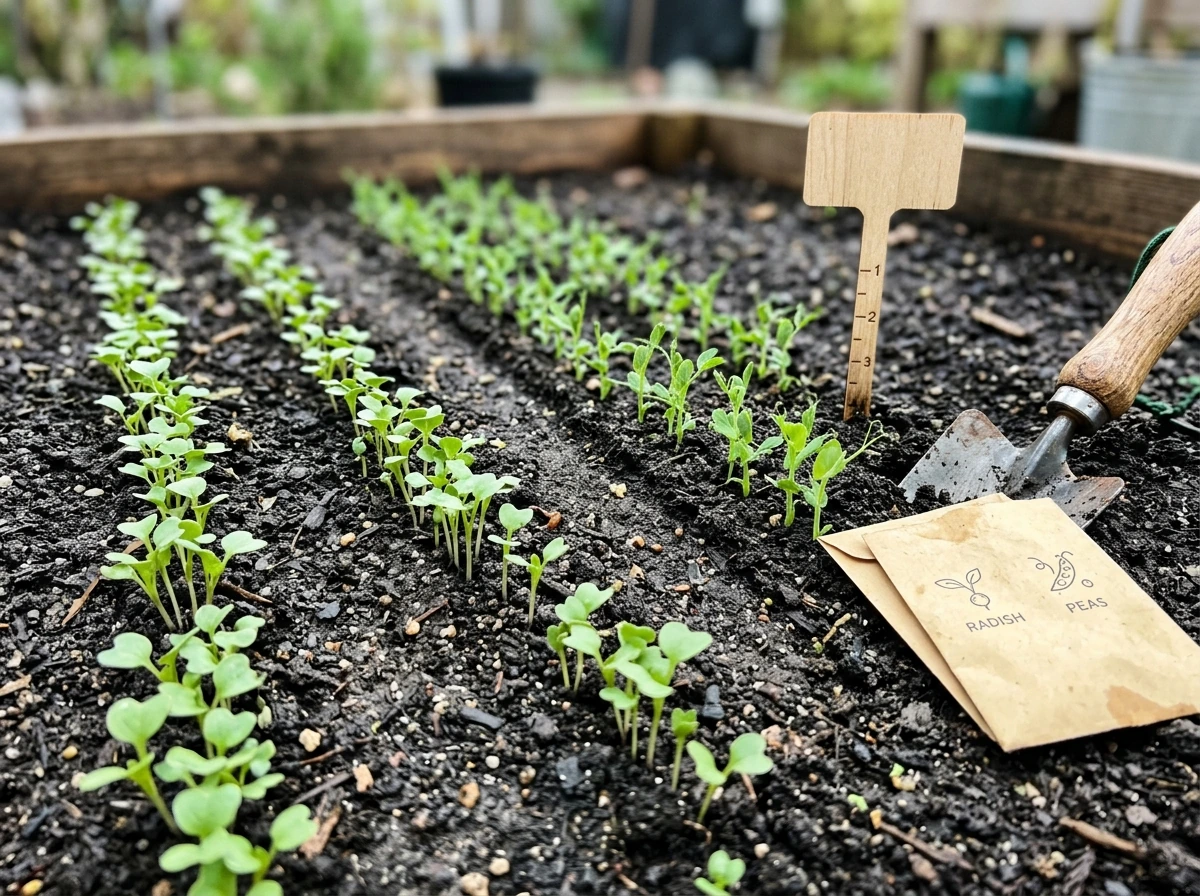
For most of the US and Canada, this is the window for direct-sowing radishes, lettuce, spinach, and peas outdoors. These crops love cool soil and mild air and will bolt (go to seed and turn bitter) once summer heat hits, so planting now means you get a full harvest window. Radishes are done in 25 to 30 days, which makes them one of the fastest edible plants you can grow. Snap peas take about 60 days and give you weeks of picking once they start. Indoors, now is the time to start tomato, pepper, and basil seeds if you haven't yet, 6 to 8 weeks before your last frost date puts most gardeners in that window right now.
Summer (June through August)
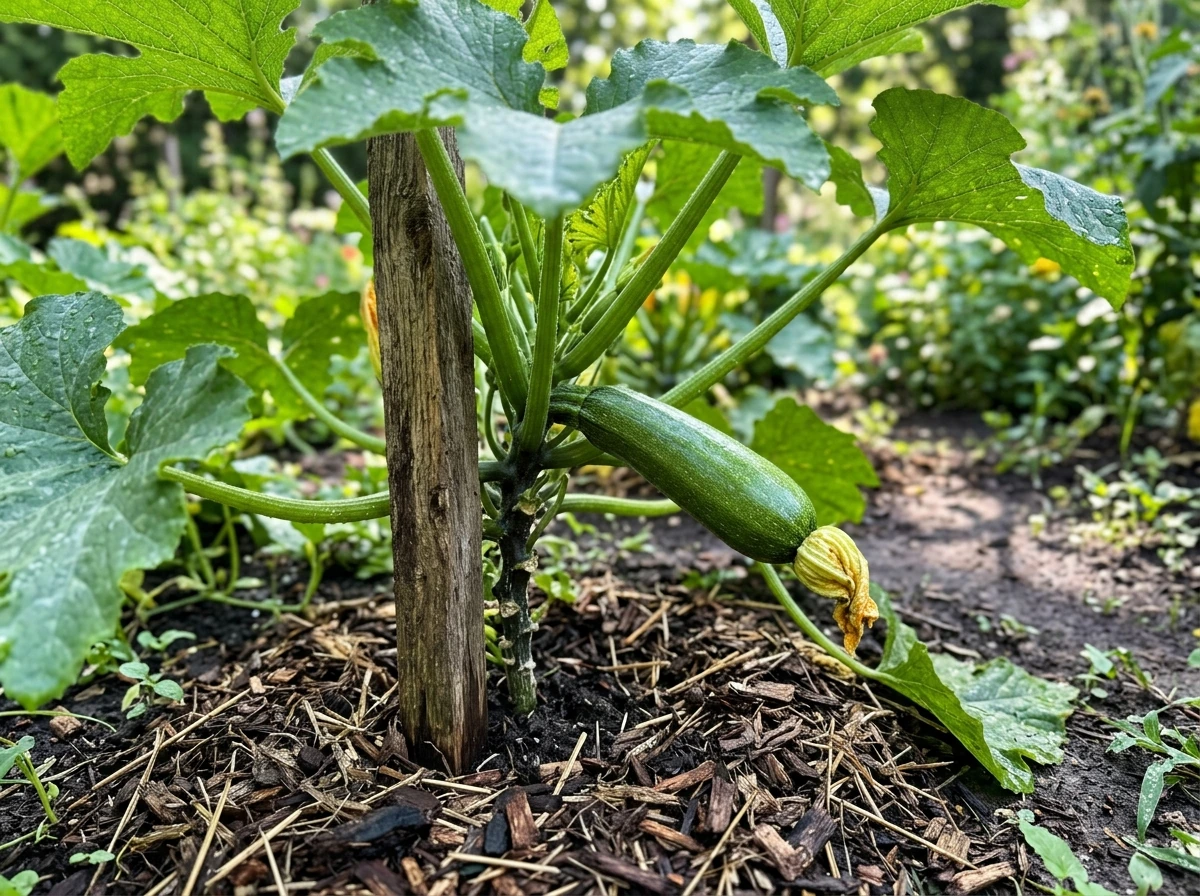
Summer is the season for warm-season staples: tomatoes, cucumbers, zucchini, beans, and herbs like basil and dill. Zucchini is almost comically productive once it gets going, and the speed from seed to first harvest (around 50 to 55 days) makes it a crowd favorite. One important note: in the Deep South and desert Southwest, August planting is often a second-season opportunity for fall crops, not a time to start more summer plants. August in Phoenix or Houston is brutal and most warm-season crops are winding down, not ramping up.
Fall (September through November)
Fall is underrated. Cooler temps mean fewer pests, less watering stress, and a return of the cool-season crops that are sweetened by frost: kale, chard, arugula, and spinach all get better after a light freeze. If you're in a mild climate (USDA zones 8 to 10), fall is actually your most productive growing season.
Winter (December through February)
Winter growing is mostly an indoor story unless you're in Florida, Southern California, or coastal Texas. Indoors, this is a great time for houseplants that tolerate low light, herb jars on the counter, and microgreens, which go from seed to harvest in 7 to 14 days and need almost no space.
Edible fun: herbs, quick-harvest veggies, and beginner fruit
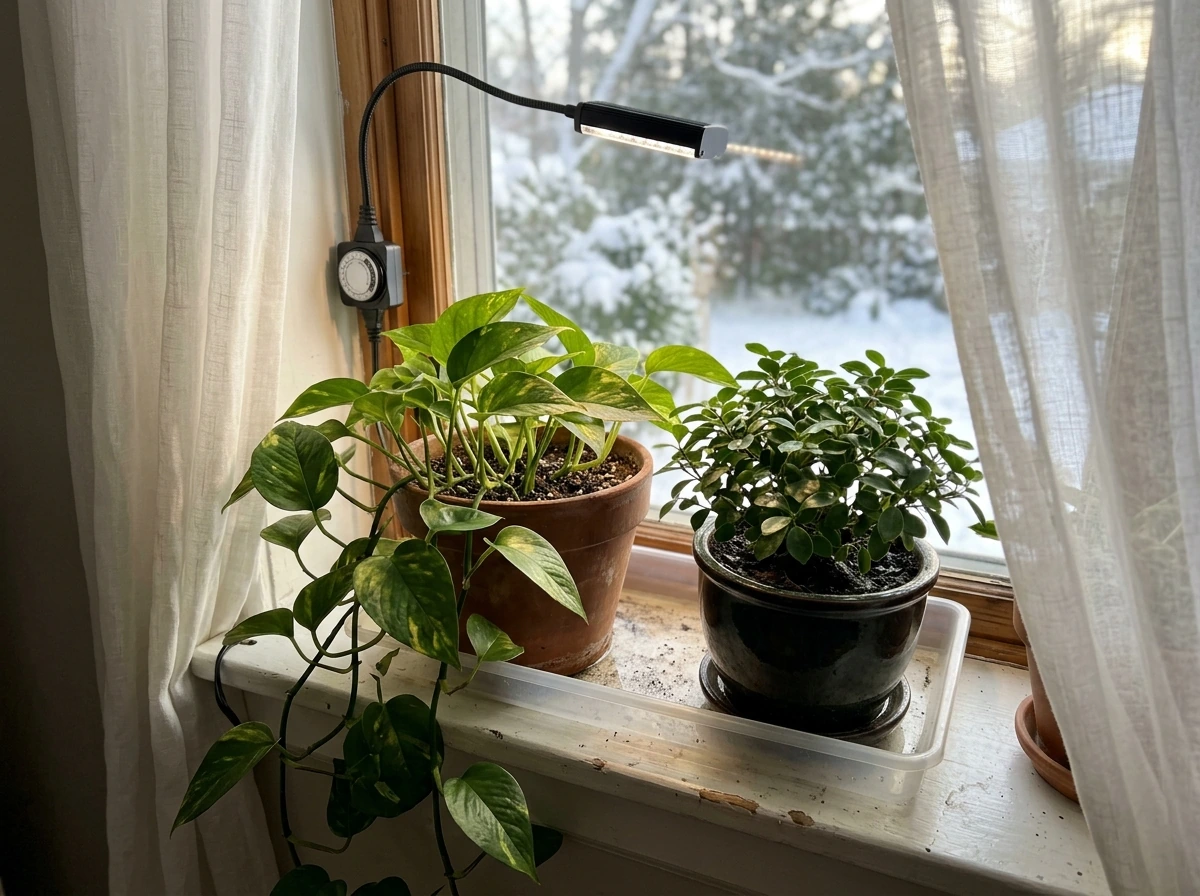
Edible plants are the most satisfying category for most beginners because the reward is concrete. You eat the thing. You taste the difference between homegrown basil and the dried stuff in a jar. Here are the best options by speed and effort.
| Plant | Days to Harvest | Best Setup | Why It's Fun |
|---|---|---|---|
| Radishes | 25–30 days | Outdoor bed or large container | Fastest edible crop you can grow; kids love them |
| Lettuce (cut-and-come-again) | 30–45 days | Indoor or outdoor container | Harvest outer leaves and it keeps growing for weeks |
| Basil | 30–60 days from seed | Sunny windowsill or outdoor pot | Fragrant, fast, pairs with everything you cook |
| Green onions (scallions) | 60 days from seed, 1–2 weeks from scraps | Any container indoors or out | Regrows from grocery store roots; almost free |
| Snap peas | 60 days | Outdoor bed with trellis | Incredibly sweet straight off the vine; very satisfying to harvest |
| Cherry tomatoes | 55–70 days from transplant | Full-sun container or bed | Prolific producer; fruit in clusters, great for snacking |
| Zucchini | 50–55 days | Large outdoor container or bed | Fast, productive, and almost impossible to kill in summer |
| Dwarf citrus (e.g., Meyer lemon) | Months to fruit, but ongoing | Large indoor container, sunny window | Long-term reward; fragrant flowers, edible fruit |
| Strawberries (day-neutral variety) | 90 days from plant | Container or raised bed | Kids love picking them; produces all season long |
If you're brand new to growing edibles, start with herbs and one fast-maturing vegetable. Basil and cherry tomatoes make an excellent first combination outdoors. Lettuce and green onions are the best indoor starter pair. If you want to go even simpler, check out what you can grow directly from grocery store produce, it's a surprisingly easy entry point covered in more depth in our guide on plants you can grow from the grocery store.
Low-maintenance plants that are still rewarding
Low-maintenance doesn't mean boring. It means the plant has a wide margin of error, thrives on neglect, and doesn't need constant attention to stay alive and look good. These are the plants you should default to if you travel, have an inconsistent schedule, or are still building the habit of caring for plants.
- Pothos (Epipremnum aureum): Survives low light, irregular watering, and almost any temperature above 50°F. Trails dramatically from shelves or hangs from hooks. One of the best plants for an indoor setup with limited light.
- Snake plant (Sansevieria): Tolerates near-darkness and weeks without water. Architectural and striking. Nearly unkillable.
- ZZ plant (Zamioculcas zamiifolia): Stores water in its roots, so it handles drought better than almost anything. Dark, glossy leaves. Perfect for offices or dim rooms.
- Mint: Grows aggressively in a container (keep it contained or it takes over a bed). Requires almost no attention and provides endless fragrant harvests for tea, cooking, and cocktails.
- Chives: Perennial herb that comes back year after year. Snip what you need, it keeps growing. Also produces pretty purple flowers that attract pollinators.
- Sedum (stonecrop): Outdoor succulent that handles drought, poor soil, and neglect. Blooms in late summer and early fall. Great for borders or containers.
- Marigolds: Direct-sow in spring, near-zero pest pressure, blooms all season, attracts beneficial insects. One of the most forgiving annuals you can grow.
The common failure mode with "low-maintenance" plants is actually overwatering. Most people kill their succulents and snake plants by watering them too frequently, not too little. When in doubt, wait an extra few days before watering.
The "wow" factor: visual, fast-growing, and pollinator-friendly picks
Some plants earn their place not just by surviving but by doing something genuinely impressive. These are the ones that stop visitors in their tracks, attract butterflies, or show you something new every day.
Fast growers that are fun to watch
- Sunflowers: Direct-sow in spring and watch them hit 6 to 12 feet by midsummer. Kids love measuring them. Some dwarf varieties work well in large containers.
- Nasturtiums: Germinate in about a week, bloom in 5 to 6 weeks, and the flowers are fully edible with a peppery flavor. One of the most versatile fun plants you can grow.
- Morning glories: Fast vine that covers a trellis or fence within weeks. Opens fresh blooms each morning that close by afternoon. Genuinely mesmerizing daily ritual.
- Scarlet runner beans: Vigorous climber with brilliant red flowers that attract hummingbirds, plus edible beans. Goes from seed to flower in about 60 days.
- Pumpkins (mini varieties): Sprawling, aggressive growers that kids go crazy for. Plant in late May for a Halloween harvest.
Unusual and interactive plants
- Sensitive plant (Mimosa pudica): Touch its leaves and they fold up immediately. Grows easily from seed indoors or outdoors in warm climates. Endlessly entertaining for kids and adults.
- Venus flytrap: More of a project than a garden plant, but genuinely fascinating. Needs distilled water and full sun, not as hard as its reputation suggests.
- Microgreens: Grow from seed to harvest in 7 to 14 days on a countertop. Sunflower, pea, and radish microgreens are the tastiest. No soil required, just a shallow tray and a paper towel.
- Moonflower vine: The opposite of morning glories, blooms open at dusk and perfume the evening air. Great for patios you use at night.
Pollinator magnets
- Lavender: Drought-tolerant, fragrant, and absolutely covered in bees from late spring through summer. Perennial in zones 5 to 9.
- Coneflower (Echinacea): Native perennial that blooms midsummer, attracts bees, butterflies, and goldfinches. Extremely tough once established.
- Zinnias: Easy annual that blooms prolifically all summer. One of the best cut flowers you can grow from seed, and butterflies love them.
- Borage: Self-seeding annual with bright blue star-shaped flowers. Bees are obsessed with it, and the flowers are edible in salads.
Light, water, and soil: the quick-start version
You don't need a horticulture degree to keep plants alive. You need to get three basics right: light, water, and what you plant into. Get these right and most plants will do the rest on their own.
Light
Most edible plants need 6 to 8 hours of direct sunlight per day, and UNH Extension is clear that this applies to container vegetables too, not just in-ground gardens. Measure your actual light before you plant. Put your hand over your pot at different times of day. Direct sun means you see sharp shadows. Bright indirect light is inside near a window but not in the sun's path. Low light is most of the interior of a room. Matching the plant to the light you actually have is the single most important thing you can do.
Water
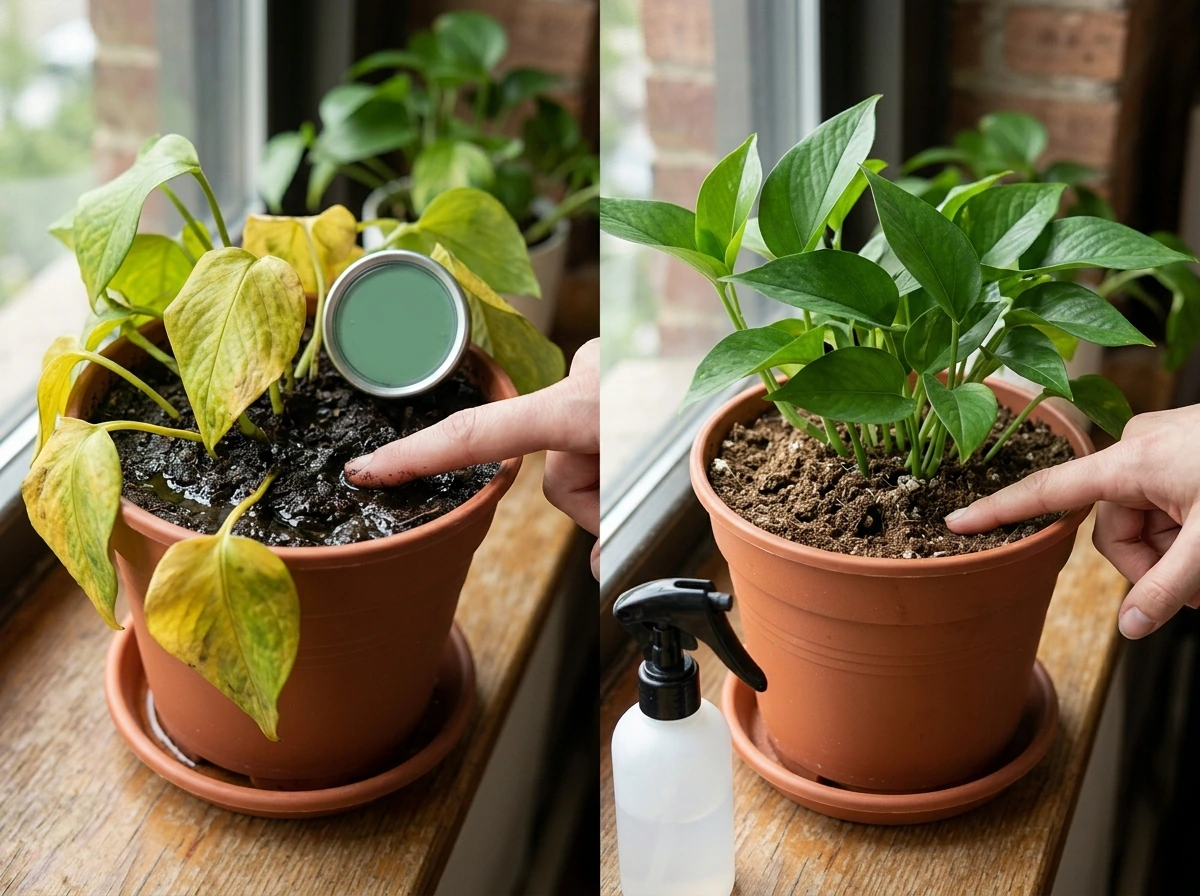
For outdoor vegetable gardens, both NC State and UMN Extension agree on roughly 1 inch of water per week, from rain or irrigation combined. For containers, the rule of thumb is to water when the top inch of soil feels dry, because containers dry out much faster than ground soil, especially in summer heat. The most common beginner mistake is watering on a fixed schedule rather than checking the soil. Stick your finger in. If it's moist 2 inches down, wait.
Soil
For containers: always use a soilless potting mix. Penn State Extension recommends mixes with sphagnum moss, perlite, vermiculite, or coconut coir, and notes you can mix in finished compost up to 50% by volume. Never use outdoor garden soil in a pot. It drains poorly, compacts over time, and introduces pests and pathogens. For outdoor beds: loamy, well-draining soil with a pH of 6.0 to 7.0 suits almost everything on this list. Add compost every season and you'll rarely need to fertilize heavily.
Quick troubleshooting
| Problem | Likely Cause | Fix |
|---|---|---|
| Yellowing leaves | Overwatering or nitrogen deficiency | Let soil dry out; add balanced fertilizer if soil is fine |
| Leggy, stretching seedlings | Not enough light | Move closer to window or add a grow light |
| Wilting despite moist soil | Root rot from poor drainage | Repot into fresh soilless mix; ensure drainage holes are open |
| Crispy leaf edges | Underwatering or low humidity indoors | Water more consistently; mist or use a pebble tray for humidity |
| No fruit on tomatoes/peppers | Not enough sun or inconsistent watering | Ensure 6–8 hours of direct sun; keep watering even |
| Pests (aphids, fungus gnats) | Overwatering (gnats) or stress (aphids) | Let soil dry more between waterings; spray neem oil or insecticidal soap |
How to pick your first 3 to 5 plants today
Use this checklist to narrow down your choices based on your actual situation. Be honest with yourself about your setup. The most fun plant is always the one that matches your real conditions, not your ideal ones.
- Where are you growing? If indoors with limited light (less than 4 hours of sun), start with pothos, snake plant, mint in a sunny spot, or lettuce under a grow light. If outdoors with full sun (6+ hours), you can grow almost anything on this list.
- What's your current season and frost situation? It's late March 2026. If you're in zones 6 to 9, direct-sow radishes, lettuce, and peas now outdoors, and start tomato/pepper seeds indoors. If you're in zones 3 to 5, focus on indoor seed-starting for another 4 to 6 weeks. If you're in zones 9 to 11, you can transplant warm-season crops outside right now.
- What do you want from the plant? Food: go with radishes, lettuce, cherry tomatoes, herbs, or snap peas. Visual wow: sunflowers, nasturtiums, morning glories. Low-effort: pothos, snake plant, sedum, chives. Interactive/unusual: sensitive plant, microgreens, Venus flytrap.
- How much time do you realistically have? Less than 10 minutes a week: stick to succulents, snake plants, and pothos indoors. 15 to 30 minutes a week: herbs, lettuce, and low-maintenance outdoor perennials. An hour or more per week: tomatoes, cucumbers, peppers, and anything that needs regular harvesting and training.
- Pick 3 to 5 plants max to start. This is the most important rule. One herb (basil or mint), one fast edible (radishes or lettuce), one visual plant (nasturtiums or sunflowers), and one low-maintenance standby (pothos or snake plant if you're indoors) is a complete, manageable starter collection. Add more once you've gotten comfortable with those.
If you're still not sure where to start, think about what matters most to you in the next 30 days. If you want to eat something you grew yourself within a month, plant radishes this week. If you want something alive and thriving on your shelf that you can't kill, get a pothos or snake plant. If you want to show something dramatic to someone in June, start sunflower seeds now. You don't have to overthink it. Pick one plant from each category that fits your light situation, buy or start seeds this week, and adjust from there. That's how every good gardener started. plants that you can grow at home
If you're interested in easy plants specifically for indoor growing, or want to explore what you can start from plants you already have at home, those topics are covered in more depth in related guides on this site. But for right now, in late March, the window is wide open. Plant something this week.
FAQ
How do I choose plants that are fun to grow if I’m not sure my exact light level yet?
Do a simple 3-day light check, note which areas of your space get direct sun and how many hours, then buy plants that match the worst-case spot you plan to keep them in. If you’re between categories, start with faster, more forgiving plants like lettuce, green onions, pothos, or herbs, then upgrade to fussier crops after you see steady growth.
What’s the safest way to avoid killing indoor plants when watering schedules are hard to track?
Use the “top inch” test for container plants, not a calendar. Water only when the top inch feels dry to the touch, then water thoroughly until excess drains. For most beginner mistakes, wait longer rather than watering again quickly after a small sip.
Can I use garden soil in containers outdoors if I want cheaper options?
It usually causes problems even outdoors, garden soil compacts in pots, drains inconsistently, and can bring in pests and pathogens. Stick with a soilless potting mix for containers, and if you want extra nutrition, blend in finished compost up to about half the mix volume.
If my window is north-facing, can I still grow herbs or am I stuck buying a grow light?
North-facing windows are generally too dim for most edible herbs to thrive. A small grow light can be the difference maker, and you can start with lettuce or green onions first since they tolerate less-than-perfect conditions better than many heat-loving herbs.
How do I prevent bolting when growing radishes, lettuce, or peas in spring?
Bolting usually happens when temperatures rise or light gets too intense for the plant’s current stage. Sow smaller batches every 1 to 2 weeks instead of all at once, and harvest early as soon as the crop reaches “ready” size rather than waiting for perfection.
What if I miss my window and it’s already too late for planting cool-season crops?
Pivot to what’s still fast. In many regions, you can switch to shorter-cycle greens and microgreens, or start warm-season plants indoors for later transplant. If outdoor temperatures are already high, prioritize shade-tolerant ornamentals or heat-tolerant edibles rather than forcing cool-season varieties.
Do tomatoes and peppers always need to be started indoors first, or can I direct-sow them?
Most home gardeners get better results starting indoors because they need more warm days. Direct-sowing is possible only in regions with a long, warm season, and it increases the risk of stunted growth if nights are cool. If you’re unsure, start seeds indoors 6 to 8 weeks before your last frost date and adjust based on how long your growing season really is.
What’s the best way to water outdoor raised beds versus in-ground gardens?
Raised beds often dry faster than ground beds, so even if both get the same weekly irrigation, the timing can differ. Use the same soil-check approach, but expect to feel dryness sooner in containers and many raised beds. If the top layer is dry, water, if it’s still damp deeper down, wait.
How can I tell whether my container vegetable garden is getting the 6 to 8 hours of sun it needs?
Measure based on sharp shadows and consistent direct exposure during the day, not just “it looks sunny.” If you see minimal shadow movement or only brief sun, treat it as lower-light and select crops accordingly, for example leafy greens over fruiting crops.
Are “low-maintenance” plants still safe if I travel or forget watering for a week?
Some are, but it depends on the plant’s water needs and your container size. Choose plants that tolerate drying and avoid succulents that require extremely bright, consistent light without a plan. Before a trip, verify your usual watering depth, water thoroughly, and consider self-watering setups or a neighbor check for containers that dry out quickly.
What’s a good first “fun” plant if I want visible progress within a month?
Radishes are one of the quickest reliable options because you can see harvest in about 25 to 30 days. If you prefer indoors, microgreens are another fast win (often 7 to 14 days), with minimal space and low risk compared with long-season crops.
How do I start with plants you can grow from grocery store produce without wasting money?
Pick items that are meant to regrow easily and have a clear “ready to plant” part, then start small so you can adjust once you see rooting. Use a soilless potting mix for containers and keep them in the brightest spot you have, since the fastest way to fail is letting weak roots dry out early or overwatering them.
Next Article
Plants You Can Grow From Grocery Store Produce: Easy Guide
Grow herbs, greens, bulbs, cuttings, and regrow scraps from grocery produce with beginner steps, timelines, and troubles