Yes, you can absolutely grow real plants from grocery store produce, and some of them are so easy that you'll have results within a week. Green onions, lettuce, basil, celery, garlic, ginger, potatoes, and even pineapple are all fair game. The catch is knowing which items will actually work (not all grocery produce is created equal), what method to use, and how your season and location affect what's worth trying right now. This guide walks you through all of it, starting with the quick wins and working up to the more ambitious projects.
Plants You Can Grow From Grocery Store Produce: Easy Guide
Rachel Hartley
24 Mar 2026
Quick reality check: what grocery produce actually works
Not every piece of produce you bring home will sprout into something useful. Grocery stores are in the business of selling food, not planting stock, so some items are treated in ways that prevent sprouting. The FDA allows irradiation on certain foods specifically to delay sprouting and extend shelf life. Potatoes are a classic example. You'll see the radura symbol or 'treated with radiation' on the label when this applies, so check before you try. Beyond irradiation, many conventional items are treated with sprout inhibitors or are simply hybrids whose seeds won't produce anything like the parent plant.
That said, the majority of common grocery produce is perfectly viable for home propagation if you pick the right items and the right method. Here's the honest breakdown of what works reliably, what sometimes works, and what's mostly a waste of time.
| Item | Method | Reliability | Key Gotcha |
|---|---|---|---|
| Green onions | Regrow from root end in water | Excellent | Use within days of purchase |
| Lettuce/romaine | Regrow from base in water | Good | Gets leggy; best for baby greens |
| Basil (fresh bunch) | Root cuttings in water | Excellent | Needs warmth; don't use dried |
| Celery | Regrow from base in water | Good | Takes 1–2 weeks to see new growth |
| Garlic | Plant cloves directly in soil | Good with caveats | Grocery garlic may not suit your climate |
| Ginger | Plant rhizome in moist soil | Excellent | Buy organic; conventional is often growth-inhibited |
| Potatoes | Plant sprouted tuber pieces | Good | Avoid irradiated; look for eyes already forming |
| Pineapple | Root the crown in water, then plant | Works with patience | Takes 6–8 weeks to root |
| Tomato seeds | Extract, dry, and start indoors | Fair | Hybrid seeds won't breed true |
| Avocado | Pit in water | Good for houseplant, not fruit | Takes years to fruit, if ever |
The simplest rule: buy organic when you can for buy organic when you can for anything you're planting (not eating). Organic produce is less likely to have been treated with sprout inhibitors, which gives you a much better shot at actual root and shoot development.
The fastest wins: regrowing plants from scraps
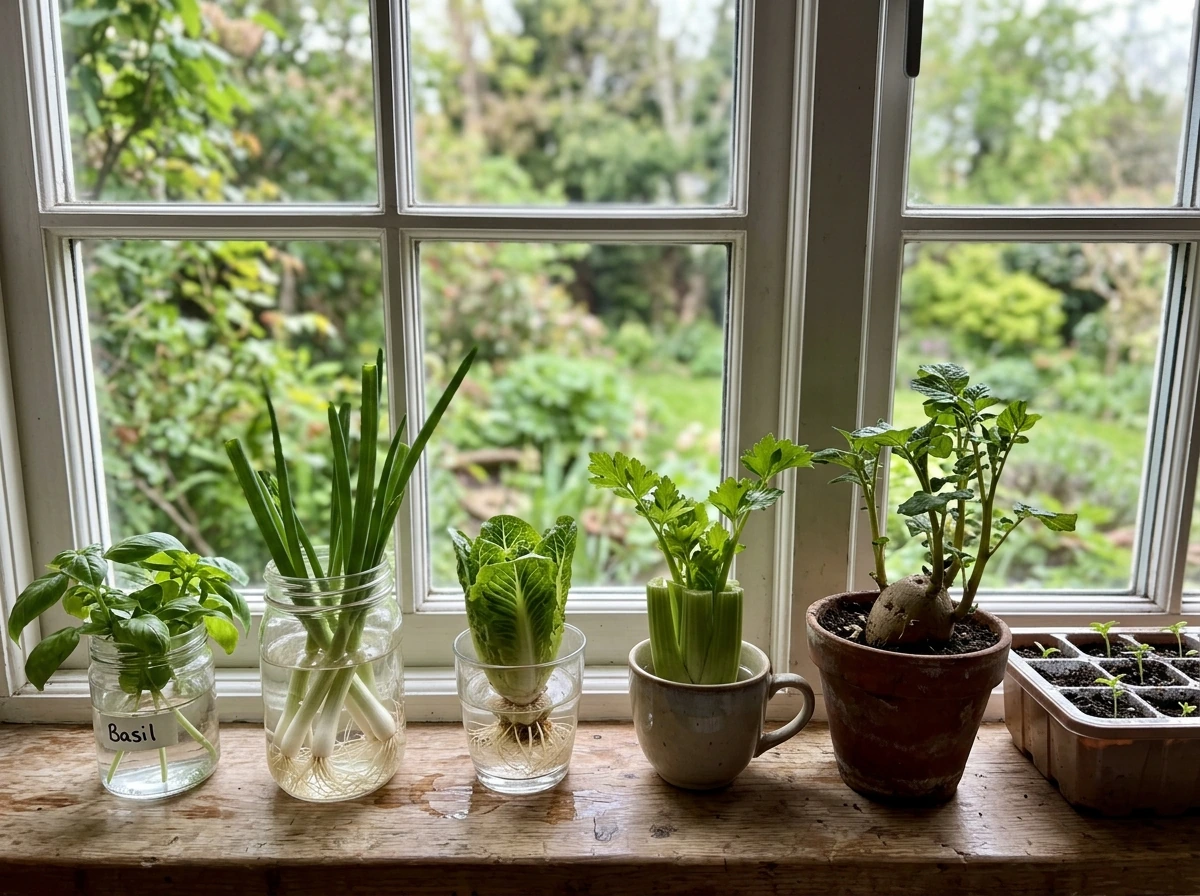
Regrowing from scraps is the easiest entry point because you're not starting from seed. You're using a living piece of plant that already has the cellular structure to push out new growth. All it needs is water, a bit of warmth, and indirect light. These methods work indoors year-round, which makes them perfect if you're in the middle of winter or live in an apartment.
Green onions (the fastest thing you'll ever regrow)
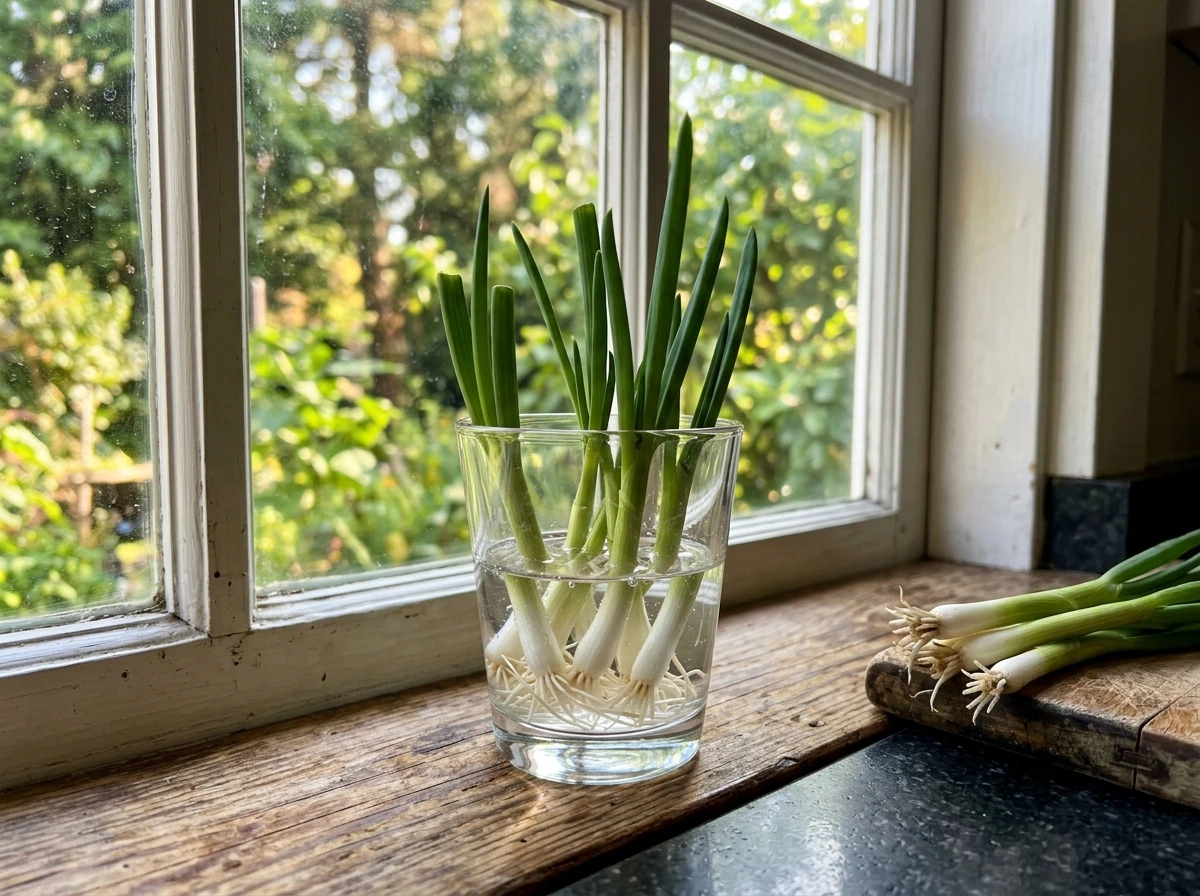
Buy a bunch of green onions from the store, use the green tops in cooking, and put the white root ends in a glass with about an inch of water. Place it on a sunny windowsill. Within about a week, you'll have fresh green shoots ready to snip again. Change the water every couple of days to prevent slime. You can do this 3–4 times before the bulb gets too exhausted, then plant it in soil to keep it going longer.
Romaine lettuce and other leafy bases
Cut the leaves off romaine, leaving about 2 inches of the base. Set the base in a shallow bowl with just enough water to cover the bottom. You'll see new leaves emerge from the center within a few days. It won't regrow a full head of lettuce, but it gives you baby greens and microgreens-style harvest within two weeks. Bok choy, cabbage stumps, and even fennel bases work the same way.
Fresh basil cuttings
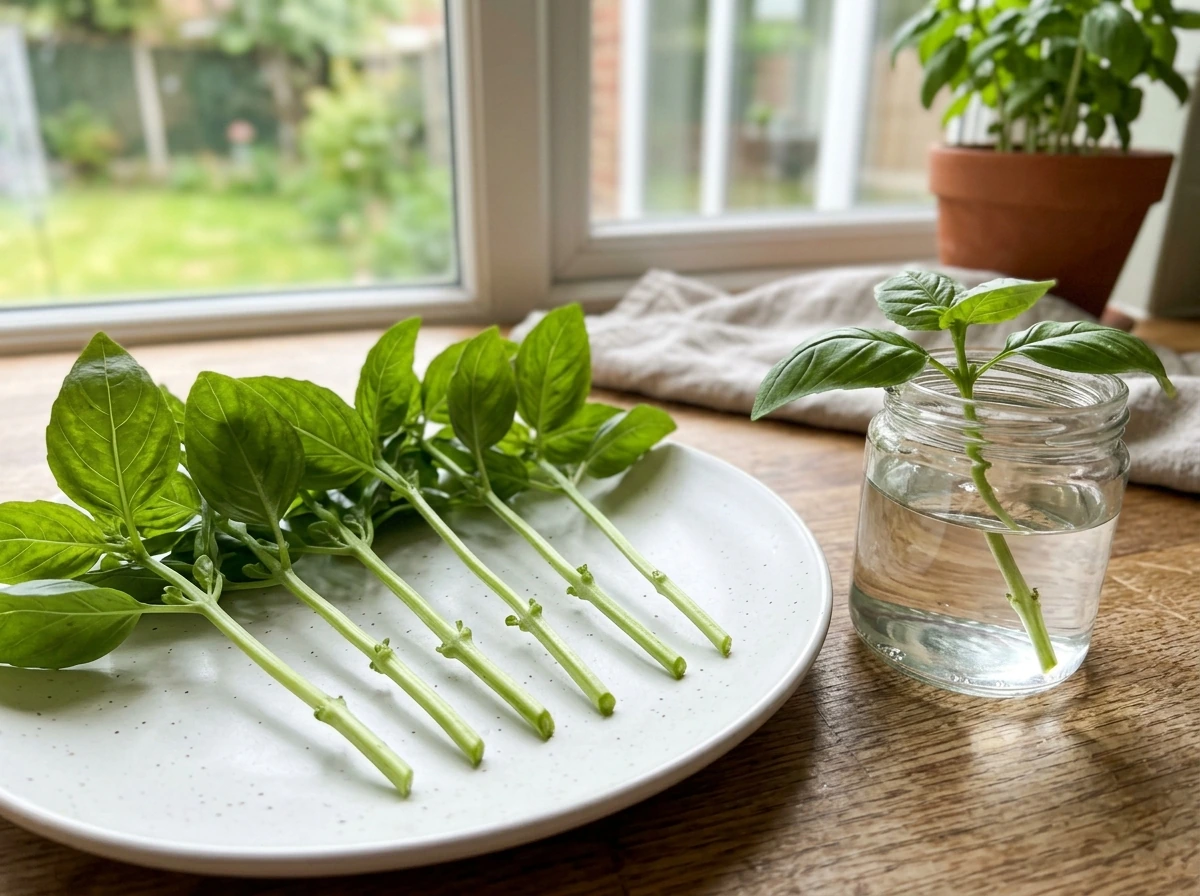
This one surprises people. Buy a fresh basil bunch from the produce section (not the dried spice jar, obviously). Cut a stem just below a leaf node, remove the lower leaves, and drop it in a glass of water. Roots can start forming within a few days and should be clearly visible by 7 to 10 days. Once they're about an inch long (usually 10 to 14 days), pot the cutting into soil. Basil likes warmth, so keep it away from drafty windowsills.
Celery from the base
Cut your celery stalks off leaving 3 to 4 inches of the base intact. Place the base in a bowl or cup of warm water on a bright windowsill, cut side up. You'll see small yellow leaves begin to grow from the center within a week or so. Once you see consistent new growth and some root development at the bottom (usually 1 to 2 weeks), transfer it to a pot with soil, leaving the new growth above the surface. Water regularly and expect harvestable celery in about 4 to 6 months.
Growing new plants from bulbs, roots, and tubers
This category goes beyond scraps into actual planting. You're putting a whole piece of produce into soil and letting it grow a full new plant. These take more time but produce more significant results.
Garlic
Garlic from the grocery store can work, but there's an important caveat. A lot of store-bought garlic is softneck variety grown in warmer climates (often California or overseas), and it may not be adapted to your region. If you're in a colder climate like Iowa or Minnesota, extension services actually advise against planting grocery-store garlic for this reason. You'll get better results buying seed garlic from a local nursery or farmers market. If you're in a mild-winter region and want to try it anyway, separate the cloves, plant them pointed-side up, 2 to 3 inches deep, and space them 6 inches apart. Fall is the traditional planting time (October in most of the US), and each clove produces one full bulb at harvest.
Ginger and turmeric
These are genuinely great candidates for grocery-store propagation, especially if you buy organic. Ginger rhizomes that have started showing small pink growth buds (the 'eyes') are ideal. Break off a piece a couple of inches long with at least one eye, let it dry overnight to callous, then plant it about an inch deep in rich, well-draining potting mix with the eyes pointing up. Keep the soil consistently moist and warm (65°F or above). You'll see green shoots in 2 to 4 weeks. Ginger grows well in containers and loves indirect light indoors. It's a slow grower but a rewarding one, and you harvest by simply pulling up the rhizome.
Potatoes
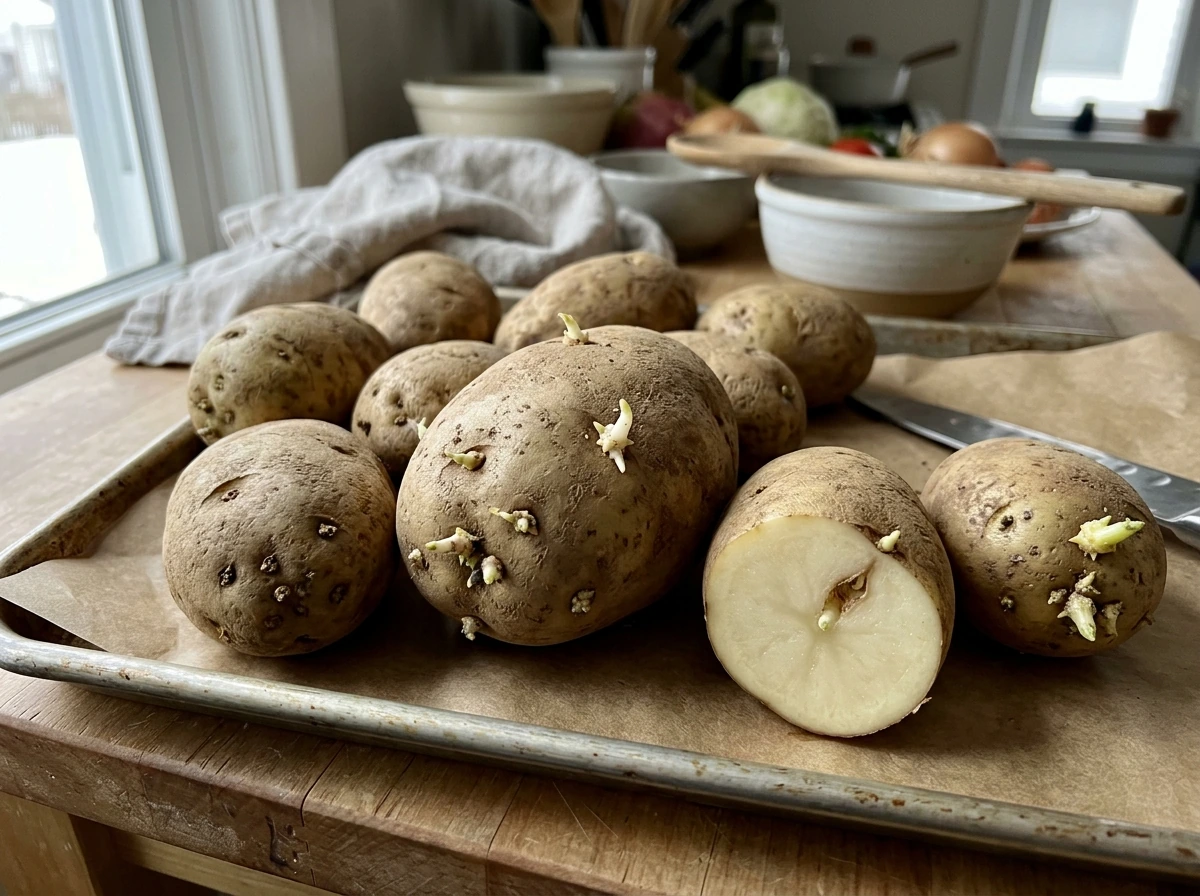
Grocery potatoes with visible eyes (those little dimpled sprout points) can absolutely be planted. The trick is finding ones that haven't been irradiated, since irradiation is specifically used to delay sprouting. Look for organic potatoes, or any bag that already shows signs of sprouting in the store. Cut the potato into pieces, each with at least one or two eyes, let them dry for a day or two, then plant about 4 inches deep in loose soil or a container at least 12 inches deep. Potatoes are heavy feeders, so mix in compost if you have it.
Pineapple crown
Twist or cut the leafy top off a fresh pineapple, peel back the lowest few layers of leaves to expose the base, and let it dry for a couple of days. Then submerge just the bare base in water. Roots will start forming over the next 6 to 8 weeks. Once they're an inch or two long, plant the crown in well-draining potting mix. Pineapple is a slow project but a satisfying one. It needs full sun, warmth, and patience. Expect a fruit in 2 to 3 years under ideal conditions. It's a great houseplant in the meantime if you live in a cold climate (zones 1 through 9), or it can go outside in zones 10 and above.
Sprouting and growing from grocery store seeds
This is the most hit-or-miss category, but also the most exciting when it works. You can extract seeds from grocery-store produce and start them at home, but there are real factors that affect success.
What to look for before you plant grocery seeds
- Open-pollinated or heirloom varieties will grow true to the parent. Hybrid produce (most supermarket tomatoes, peppers, and squash) may produce plants that look nothing like what you bought.
- Seeds need to be fully mature. A store-bought tomato is picked ripe enough, so seeds are usually viable. Peppers are the same. Bell peppers and hot peppers often have great seeds inside.
- Squash and pumpkin seeds are straightforward: scoop, rinse, dry, and plant.
- Citrus seeds (lemon, orange, lime) sprout readily and grow into attractive houseplants, though fruiting takes years.
- Avocado pits work as houseplants but almost never produce fruit at home.
Test your seeds before committing to them
If you're not sure whether grocery-store seeds are viable, run a quick paper towel germination test before planting a whole tray. Dampen a paper towel (moist, not soaking), place 10 seeds on one half, fold the towel over them, and seal the whole thing in a plastic bag. Keep it somewhere warm (around 70°F). Check after the expected germination window for that crop. Count how many sprouted: 8 out of 10 means 80% viability, which is solid. Under 50% and you should either plant more densely to compensate or find better seeds.
Basic seed-starting setup
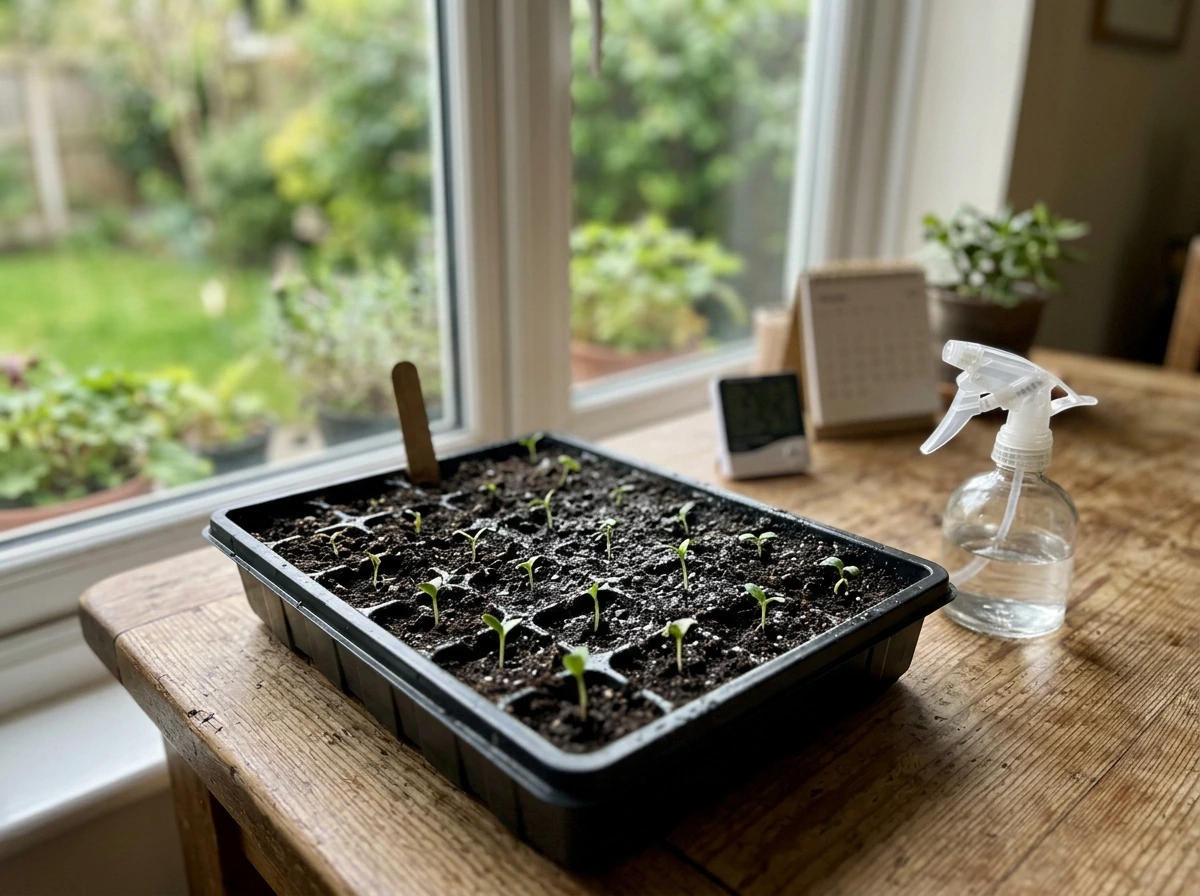
You don't need much. A seed tray or small pots, seed-starting mix (not regular potting soil, which is too dense), a spray bottle for watering, and a spot that gets consistent warmth. A south-facing windowsill works for most things indoors. A grow light speeds things up if natural light is limited. Keep the mix moist but never waterlogged. Most vegetable seeds from grocery produce germinate in 5 to 14 days at 65 to 75°F.
When and where to start based on your season and location
Right now it's late March, which is one of the best times of year to get started. In most of the US, you're in the window for indoor seed starting and early transplants in mild zones. Here's how to think about it based on where you are.
| Region / Zone | What to Start Now (Late March) | Method | Notes |
|---|---|---|---|
| Zones 3–5 (Midwest, Northern states) | Basil cuttings, green onions, ginger (all indoors) | Water/containers indoors | Still frost risk outdoors; keep everything inside until late May |
| Zones 6–7 (Mid-Atlantic, Pacific NW, Transition) | Lettuce base, celery, potatoes, herb cuttings | Containers indoors or sheltered outdoor spot | Can direct-plant cold-tolerant items like garlic outdoors now |
| Zones 8–9 (South, Pacific Coast) | Almost anything including tomato seeds, peppers | Outdoor containers or garden beds | Warm enough to move most things outside; watch for late cool snaps |
| Zones 10–11 (South Florida, Hawaii) | Pineapple, ginger, turmeric, tropical herbs | Outdoor beds or large containers | Full tropical and subtropical propagation season; watch for heat stress on seedlings |
For indoor growing year-round, most of the scraps-in-water methods (green onions, basil, lettuce, celery) work regardless of season or location. They're not affected by outdoor temperatures and make great apartment projects. If you want to transition plants from water to soil and then outside, wait until nighttime temperatures in your area are consistently above 50°F for most crops, and above 60°F for warm-weather plants like basil, ginger, and peppers.
Container choices matter
For regrowing scraps in water, any glass or jar works. For transplanting into soil, here's what actually matters: drainage holes are non-negotiable (roots sitting in standing water will rot), and size should match the plant. Green onions and herbs do fine in 4 to 6 inch pots. Celery and lettuce prefer 8 to 10 inches. Potatoes need at least 12 to 15 inches deep. Ginger can go in a wide, shallow container (12 inches wide, 8 inches deep minimum). Pineapple eventually needs a pot at least 5 gallons in size.
How to give yourself the best shot at success
Buy fresh and organic when it matters
Freshness directly affects propagation success, especially for water-rooting methods. A bunch of basil that's been sitting in a store for two weeks will have significantly lower rooting success than one you bought yesterday. For anything you're regrowing from scraps, use it the same week you buy it. For bulbs and rhizomes like ginger and garlic, organic is genuinely worth it because conventional versions are more likely to have been treated to suppress sprouting.
Organic vs. conventional: when it actually matters
For green onions and lettuce bases, organic vs. conventional makes almost no difference. These regrow from plant tissue, not from a dormant bud that could be chemically suppressed. For garlic, potatoes, and ginger, organic matters a lot. The FDA permits irradiation to delay sprouting in produce like potatoes, and sprout inhibitors are commonly used on conventional garlic. If your grocery-store potato refuses to sprout, irradiation is a likely reason. Check the label for the radura symbol or 'treated with radiation' language.
Troubleshooting common failures
- Scraps rotting in water: you're using too much water (just cover the bottom of the base, not the whole thing) or not changing it often enough. Change water every 2 days.
- No root growth after 2 weeks (basil, celery): the spot is too cold. Move to a warmer location, ideally 68°F or above.
- Garlic or ginger not sprouting: likely treated with a sprout inhibitor. Switch to organic and try again.
- Seeds not germinating: run the paper towel test first to check viability. If under 50% germination, the seeds aren't worth planting.
- Seedlings dying after sprouting (damping off): overwatering and poor airflow. Let the surface dry slightly between waterings and add a small fan nearby.
- Transplants wilting after moving to soil: they need a few days to adjust. Keep them out of direct sun for 2 to 3 days and water gently.
What to try from your kitchen this week
Here's a practical decision framework based on your situation right now. Pick the column that fits you best and start with whatever's at the top of the list.
| Your Situation | Best Items to Try First | Next Step |
|---|---|---|
| Apartment with a windowsill, no outdoor space | Green onions, basil cuttings, lettuce base | Glass of water + sunny window, start today |
| House with a garden, cold climate (zones 3–5) | Green onions and basil indoors now; potatoes and garlic in soil when frost passes | Get organic potatoes and ginger this week; start indoors |
| House with a garden, mild climate (zones 6–7) | Potatoes, celery, garlic, herb cuttings | Plant potatoes and garlic outdoors now; start herbs indoors |
| Warm climate (zones 8–11) | Ginger, turmeric, pineapple crown, tomato seeds, peppers | Get organic ginger and pineapple; start outdoors in containers |
| Want something decorative, not just edible | Pineapple crown, avocado pit, citrus seeds | Start pit or crown in water; pot up in 6–8 weeks |
| Kids involved, want quick results | Green onions, lettuce base, bean seeds from dried beans | Glass of water today; visible results in 3–5 days |
If you want to build out from here, green onions and basil are the easiest ways to build confidence in water propagation, and ginger is the most satisfying soil-based project if you can find a good organic rhizome. Potatoes are the best bang for your buck in terms of food yield from a single grocery-store item. And if you're getting into seed starting more broadly, And if you're getting into seed starting more broadly, that connects naturally to the wider world of what's fun and rewarding to grow at home, from easy indoor plants to full kitchen garden setups., from easy indoor plants to full kitchen garden setups.
The main thing is to start with what you already have in your kitchen or what you can grab on your next grocery run. You don't need a garden center. You don't need special equipment. You need a glass of water, a sunny window, and produce that hasn't been sitting around for three weeks. Everything else you can figure out as you go.
FAQ
How do I prevent rot or slime when regrowing plants in water?
Wash the stem, base, or cut surface before you start (especially basil, celery, and pineapple) to reduce microbes in the water. Then change the water on a schedule (every couple of days for onion water, daily for faster-mold climates) and never top off old cloudy water. If you see a sour smell or thick slime, discard it and restart with a fresher piece.
Why do seeds from grocery produce often fail even when the product was ripe?
“Seed” from grocery produce is often the tricky part, because many items are hybrids and store produce is sometimes picked before fully mature seed develops. If you want the best odds, choose produce that clearly looks like it has had time to mature (for example, fully ripe tomatoes) and run the paper towel viability test before committing to a full tray.
What should I do if my grocery potato, garlic, or ginger does not sprout?
If a potato, garlic clove, or ginger piece does not sprout, the most common reason is that it was treated to delay sprouting. Check the package or label for “treated with radiation” (often shown with the radura symbol). If there is no label, try a different batch (or organic) rather than planting the same piece repeatedly.
When is the right time to transfer a water-rooted cutting into soil?
For scraps started in water, move to soil once you see multiple roots and new growth, not just one tiny root tip. As you transition, keep the soil slightly moist for the first week and avoid direct harsh sun right away, because water-grown roots need time to adapt to denser media.
Can I do these plants outdoors instead of indoors, and when should I transplant?
Yes for many projects. Green onions, lettuce bases, basil, and celery can be done indoors year-round with warmth and bright light. For outdoor planting, wait until nighttime temperatures are consistently above 50°F for most crops and above 60°F for warm-weather plants like basil and ginger, even if daytime is warm.
What potting mistakes most often cause failure with these grocery-store starts?
Always use containers with drainage holes for anything that will sit longer than a few days, even for ginger and pineapple. When potting, keep the original crown or base at the same height it was in water, do not bury it deeper, and use a well-draining mix (potatoes and ginger especially dislike soggy soil).
How long can I keep produce before attempting propagation, and does timing change by plant?
Freshness matters most for water-rooting projects because the plant tissue is already stressed and degrades quickly. Aim to start scraps the same week you buy them, ideally within a day or two for basil. For bulbs and rhizomes like garlic, ginger, and potatoes, freshness still matters, but the treatment status is usually the bigger factor.
How many times can I realistically harvest green onions or basil before starting over?
Green onions and herbs usually regrow fast enough that you can harvest repeatedly, but bulbs have limited “fuel.” After a few cycles, harvest from the outside first (snip greens) rather than removing the whole top at once. If growth slows or looks hollow, plant the bulb in soil or start a new grocery piece.
What grocery-store selection rules give the best odds for success?
If you want consistent results from grocery produce, choose items with visible growth points: green onion root ends, ginger eyes, potato eyes, and pineapple crown base. Avoid produce that is bruised, dried out, or has no visible eyes or sprout points. Also, skip the dried spice jar basil, because it is intentionally not live tissue.
Next Article
What Is the Rarest Plant in Grow a Garden and How to Grow It
Discover the rarest and second rarest plants in Grow a Garden, plus how to find and grow them by season and location.